Double burden of disease
Week 1
1. Epidemiological transition and the double burden in Ghana
- When societies modernize, they experience significant changes in their patterns of
health and disease.
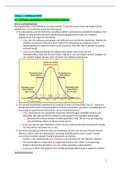
- Accra, Ghana’s capital city → the epidemiological transition in Accra reflects a
protracted polarized model. A “protracted” (lasting longer than expected) double
burden of infectious and chronic disease constitutes major causes of morbidity and
mortality. This double burden is polarized across social class. While wealthy
communities experience higher risk of chronic diseases, poor communities
experience higher risk of infectious diseases and a double burden of infectious and
chronic diseases. Urbanization, urban poverty and globalization are key factors in the
transition.
2. Global Status Report on Noncommunicable Diseases
- Noncommunicable diseases (NCDs) are the leading global causes of death, causing
more deaths than all other causes combined, and they strike hardest at the world’s
low- and middle-income populations. These diseases have reached epidemic
proportions, yet they could be significantly reduced, with millions of lives saved and
untold suffering avoided, through reduction of their risk factors, early detection and
timely treatments.
- Target audiences include policy-makers, health officials, nongovernmental
organizations, academia, relevant non-health sectors, development agencies and civil
society.
- While popular belief presumes that NCDs afflict mostly high-income populations, the
evidence tells a very different story. Nearly 80% of NCD deaths occur in low-and
middle-income countries and NCDs are the most frequent causes of death in most
countries
- A large percentage of NCDs are preventable through the reduction of their four main
behavioural risk factors: tobacco use, physical inactivity, harmful use of alcohol and
unhealthy diet
- other risk factors: high blood pressure, overweight, high cholesterol, cancer
associated infections (HPV, Hepatitis B)
- ‘best buys’ – actions that should be undertaken immediately to produce accelerated
results in terms of lives saved, diseases prevented and heavy costs avoided.
- In order for low- and middle-income country health systems to expand individual
health-care interventions, they need to prioritize a set of low-cost treatments that
are feasible within their budgets
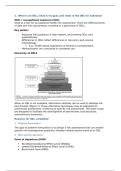
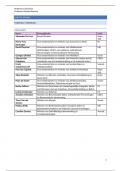
, Best buys population-wide
Best buys individual care
- The delivery of effective NCD interventions is largely determined by the capacity of
health-care systems. Gaps in the provision of essential services for NCDs often result
in high rates of complications such as heart attacks, strokes, renal disease, blindness,
peripheral vascular diseases, amputations, and the late presentation of cancers. This
can also mean catastrophic spending on health care and impoverishment for
low-income families. Strengthening political commitment and according a higher
priority to NCD programmes are key to expanding health system capacity to tackle
NCDs.
- Countries can reverse the advance of these diseases and achieve quick gains if
appropriate actions are taken in the three components of national NCD programmes:
surveillance, prevention, and health care. Those actions include: A comprehensive
approach, Multisectoral action, Surveillance and monitoring, Health systems, Best
buys, Sustainable development, and Civil society and the private sector.
3. Double Burden of Noncommunicable and Infectious Diseases in Developing
Countries
- On top of the unfinished agenda of infectious diseases in low- and middle-income
countries, development, industrialization, urbanization, investment, and aging are
Week 1
1. Epidemiological transition and the double burden in Ghana
- When societies modernize, they experience significant changes in their patterns of
health and disease.
- Accra, Ghana’s capital city → the epidemiological transition in Accra reflects a
protracted polarized model. A “protracted” (lasting longer than expected) double
burden of infectious and chronic disease constitutes major causes of morbidity and
mortality. This double burden is polarized across social class. While wealthy
communities experience higher risk of chronic diseases, poor communities
experience higher risk of infectious diseases and a double burden of infectious and
chronic diseases. Urbanization, urban poverty and globalization are key factors in the
transition.
2. Global Status Report on Noncommunicable Diseases
- Noncommunicable diseases (NCDs) are the leading global causes of death, causing
more deaths than all other causes combined, and they strike hardest at the world’s
low- and middle-income populations. These diseases have reached epidemic
proportions, yet they could be significantly reduced, with millions of lives saved and
untold suffering avoided, through reduction of their risk factors, early detection and
timely treatments.
- Target audiences include policy-makers, health officials, nongovernmental
organizations, academia, relevant non-health sectors, development agencies and civil
society.
- While popular belief presumes that NCDs afflict mostly high-income populations, the
evidence tells a very different story. Nearly 80% of NCD deaths occur in low-and
middle-income countries and NCDs are the most frequent causes of death in most
countries
- A large percentage of NCDs are preventable through the reduction of their four main
behavioural risk factors: tobacco use, physical inactivity, harmful use of alcohol and
unhealthy diet
- other risk factors: high blood pressure, overweight, high cholesterol, cancer
associated infections (HPV, Hepatitis B)
- ‘best buys’ – actions that should be undertaken immediately to produce accelerated
results in terms of lives saved, diseases prevented and heavy costs avoided.
- In order for low- and middle-income country health systems to expand individual
health-care interventions, they need to prioritize a set of low-cost treatments that
are feasible within their budgets
, Best buys population-wide
Best buys individual care
- The delivery of effective NCD interventions is largely determined by the capacity of
health-care systems. Gaps in the provision of essential services for NCDs often result
in high rates of complications such as heart attacks, strokes, renal disease, blindness,
peripheral vascular diseases, amputations, and the late presentation of cancers. This
can also mean catastrophic spending on health care and impoverishment for
low-income families. Strengthening political commitment and according a higher
priority to NCD programmes are key to expanding health system capacity to tackle
NCDs.
- Countries can reverse the advance of these diseases and achieve quick gains if
appropriate actions are taken in the three components of national NCD programmes:
surveillance, prevention, and health care. Those actions include: A comprehensive
approach, Multisectoral action, Surveillance and monitoring, Health systems, Best
buys, Sustainable development, and Civil society and the private sector.
3. Double Burden of Noncommunicable and Infectious Diseases in Developing
Countries
- On top of the unfinished agenda of infectious diseases in low- and middle-income
countries, development, industrialization, urbanization, investment, and aging are