1.1.1 Head in the clouds
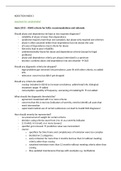
how are emotions and arousal related
theories of emotions:
cognitive theorie of emotion
o 👀see stimulus
o cognitive appraisal ( bear→hurt me → scared)
nothing to do with arousal
o 😃feel emotion
o Cannon- Bard theorie
👀see stimulus
😃physiological response & feeling emotion
o James- Lange theorie
o physical response
🏃🏻physical respon
👀see stimulus
o feeling emotion
emotions are a result of bodily changes
two factor theory
→ identify
(mis)attribution of arousal:
excitation-transfer-model:
(aggression, sexual, effects linger)
experience increased level of excitation→ unintended consequences
excitement of previous arousing → intensifies later emotional state
physically aroused→ triggers faster emotions transferred/ added to another
→ seems only second stimulus
, period of excitment& emotion provoking→ transfer excitement to emotion
provoking situation
arousal actually triggered one stimulus but gets transferred to second
workout→ excitation (blood pressure, heart rate) → continuing effect (parking slot)
→ aggression
💡 unlikely occur when cues from original source of arousal are evident
→ no connection between excitation and real source
missattribution paradigm/ James Lange thory:
adrenalin→ arousal → reattributing & transforming cause of adrenalin
arousal-attraction effect
intensifies emotional reactions pos./ neg.
facilicates natural response
mistakes in assuming what is causing them to feel aroused
emotion depends on label because of undifferented arousal
unexplained arousal → often unpleasant→ negative label
💡 how does it happen?
symphatetic nervous system declines slow
physiological arousal cant be differentiated among other emotions
cognitions are labeling emotions and determine the emotion
experience arousal→ search cause in immediate environment (confederate)
Articles:
excitation-transfer-theory:
arousal should intensify sexual attraction
differ alone/with partner
based on: physiologically aroused → higher romantic attraction (excitation transfer model)
anxiety reliief= nervous tension→ supressing perception of attraction, heightened mood→
enhance
,partner: no difference
causes:
inhibit missattribution
seatmate less attractive through ride
more aware of source of arousal
concerned partner reads questionnaire
two-factor theory of emotion:
environmental cues lead to emotional labels for unexplained states of arousal
strong emotios getting relabeled as sexual attraction (confederate related)
💡 emotion provoking circumstances doesnt require full attention
definitions:
confederate: appears as a research participant, but is part of the research team
affective neuroscience: field that uses cognitive neuroscience to study emotions
some brain areas are activated in all emotions
others are related to specific emotion (amygdala=fear)
Arousal:
physiological and/or psychological, activation of sympathetic system
residual arousal: lasts longer
individuals are unaware of arused physiological state (missattribution apperas) (racing
heart, rapid breathing, trembling, perspiration)
Emotion-:
cognitive interpretation of your physiological interpretation.
💡 needs stimulus/reason & lasts shorter
mood: lasts longer not affected by stimulus
How are emotions created?
theories of emotions:
, James Lange Theory of Emotion (~1880’s)
The subjective experience of emotion is the awareness of one’s own bodily reactions
in the presence of certain arousing stimuli
only if we detect the change in body patterns we feel emotion
→ (‘I feel afraid because I am trembling)
criticism:
epinephrine experiment**: Bodily reactions** are often similar to the emotion.
Do not use cognition to evaluate. (environmental cues→ reactions)
example:
Stimulus (bear) → Arousal (trembling) → Experience (fear)
opposite is common sense ( stimulus→ fear→ arousal)
Cannon-Bard Theory of Emotion (1927)
‘The bear makes me tremble and feel afraid’
stimulus triggers response in brain, which causes the physical symptoms/ patterns and
the emotion itself
example:
Stimulus → subcortical brain activity → Arousal & Experience
Criticism:
did not have a lot of experimental support
difference to James -LAnge: cognition is involved & the way of processing is at the same
time
Schachter-Singet Two-Factor Theory of Emotion
The experience of emotion is based on two factors: 1) physiological arousal
2)cognitive interpretation of arousal
the emotion felt depends on the interpretation of body symptoms relating to the
context
Physiological arousal: racing heart, rapid breathing…
Cognitive interpretation: explains the source of the arousal
example
Stimulus → Arousal & Appraisal (“that is one scary bear”) → Experience
“I label my trembling as fear because I appraise the situation as dangerous”
(subconscious and fast process)
how are emotions and arousal related
theories of emotions:
cognitive theorie of emotion
o 👀see stimulus
o cognitive appraisal ( bear→hurt me → scared)
nothing to do with arousal
o 😃feel emotion
o Cannon- Bard theorie
👀see stimulus
😃physiological response & feeling emotion
o James- Lange theorie
o physical response
🏃🏻physical respon
👀see stimulus
o feeling emotion
emotions are a result of bodily changes
two factor theory
→ identify
(mis)attribution of arousal:
excitation-transfer-model:
(aggression, sexual, effects linger)
experience increased level of excitation→ unintended consequences
excitement of previous arousing → intensifies later emotional state
physically aroused→ triggers faster emotions transferred/ added to another
→ seems only second stimulus
, period of excitment& emotion provoking→ transfer excitement to emotion
provoking situation
arousal actually triggered one stimulus but gets transferred to second
workout→ excitation (blood pressure, heart rate) → continuing effect (parking slot)
→ aggression
💡 unlikely occur when cues from original source of arousal are evident
→ no connection between excitation and real source
missattribution paradigm/ James Lange thory:
adrenalin→ arousal → reattributing & transforming cause of adrenalin
arousal-attraction effect
intensifies emotional reactions pos./ neg.
facilicates natural response
mistakes in assuming what is causing them to feel aroused
emotion depends on label because of undifferented arousal
unexplained arousal → often unpleasant→ negative label
💡 how does it happen?
symphatetic nervous system declines slow
physiological arousal cant be differentiated among other emotions
cognitions are labeling emotions and determine the emotion
experience arousal→ search cause in immediate environment (confederate)
Articles:
excitation-transfer-theory:
arousal should intensify sexual attraction
differ alone/with partner
based on: physiologically aroused → higher romantic attraction (excitation transfer model)
anxiety reliief= nervous tension→ supressing perception of attraction, heightened mood→
enhance
,partner: no difference
causes:
inhibit missattribution
seatmate less attractive through ride
more aware of source of arousal
concerned partner reads questionnaire
two-factor theory of emotion:
environmental cues lead to emotional labels for unexplained states of arousal
strong emotios getting relabeled as sexual attraction (confederate related)
💡 emotion provoking circumstances doesnt require full attention
definitions:
confederate: appears as a research participant, but is part of the research team
affective neuroscience: field that uses cognitive neuroscience to study emotions
some brain areas are activated in all emotions
others are related to specific emotion (amygdala=fear)
Arousal:
physiological and/or psychological, activation of sympathetic system
residual arousal: lasts longer
individuals are unaware of arused physiological state (missattribution apperas) (racing
heart, rapid breathing, trembling, perspiration)
Emotion-:
cognitive interpretation of your physiological interpretation.
💡 needs stimulus/reason & lasts shorter
mood: lasts longer not affected by stimulus
How are emotions created?
theories of emotions:
, James Lange Theory of Emotion (~1880’s)
The subjective experience of emotion is the awareness of one’s own bodily reactions
in the presence of certain arousing stimuli
only if we detect the change in body patterns we feel emotion
→ (‘I feel afraid because I am trembling)
criticism:
epinephrine experiment**: Bodily reactions** are often similar to the emotion.
Do not use cognition to evaluate. (environmental cues→ reactions)
example:
Stimulus (bear) → Arousal (trembling) → Experience (fear)
opposite is common sense ( stimulus→ fear→ arousal)
Cannon-Bard Theory of Emotion (1927)
‘The bear makes me tremble and feel afraid’
stimulus triggers response in brain, which causes the physical symptoms/ patterns and
the emotion itself
example:
Stimulus → subcortical brain activity → Arousal & Experience
Criticism:
did not have a lot of experimental support
difference to James -LAnge: cognition is involved & the way of processing is at the same
time
Schachter-Singet Two-Factor Theory of Emotion
The experience of emotion is based on two factors: 1) physiological arousal
2)cognitive interpretation of arousal
the emotion felt depends on the interpretation of body symptoms relating to the
context
Physiological arousal: racing heart, rapid breathing…
Cognitive interpretation: explains the source of the arousal
example
Stimulus → Arousal & Appraisal (“that is one scary bear”) → Experience
“I label my trembling as fear because I appraise the situation as dangerous”
(subconscious and fast process)