LAW3021 – Main Take-Aways per Session + Authors
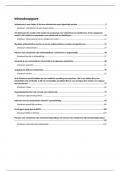
Session 1 2
Session 2 2
Session 3 5
Session 4 7
Session 6 7
Session 7 8
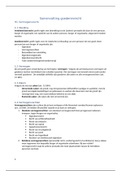
, Session 1
Responsibilities:
- Virtue responsibility: A dependable person taking their duties seriously,
normally doing the right thing
- Role responsibility: Someone who has taken on a certain role has various
duties to different parties
o Mens rea = Subjective element If the person’s mental capacities fall
below the minimum threshold, this person cannot be expected to fulfil
their role responsibilities
- Outcome responsibility: Various states or outcomes that are attributable to
someone’s behavior
o Being responsible for the result of one’s actions
- Causal responsibility: Something (alcohol) being the cause of someone’s
behavior
o Being responsible for the cause of one’s actions
o Actus reus = Objective element
- Capacity responsibility: Are mental capacities fully intact?
- Liability responsibility: Who should do what to take due responsibility or to
be held responsible
Session 2
Greene & Cohen:
- Two positions that are true:
o Existing legal principles make virtually no assumption about the neural
bases of criminal behavior and as a result they can comfortably
assimilate new neuroscience without much in the ways of conceptual
upheaval
o Neuroscience will challenge and ultimately reshape our intuitive sense
of justice (human action, responsibility)
- New science can help us figure out who was (not) rational at the scene of the
crime
Session 1 2
Session 2 2
Session 3 5
Session 4 7
Session 6 7
Session 7 8
, Session 1
Responsibilities:
- Virtue responsibility: A dependable person taking their duties seriously,
normally doing the right thing
- Role responsibility: Someone who has taken on a certain role has various
duties to different parties
o Mens rea = Subjective element If the person’s mental capacities fall
below the minimum threshold, this person cannot be expected to fulfil
their role responsibilities
- Outcome responsibility: Various states or outcomes that are attributable to
someone’s behavior
o Being responsible for the result of one’s actions
- Causal responsibility: Something (alcohol) being the cause of someone’s
behavior
o Being responsible for the cause of one’s actions
o Actus reus = Objective element
- Capacity responsibility: Are mental capacities fully intact?
- Liability responsibility: Who should do what to take due responsibility or to
be held responsible
Session 2
Greene & Cohen:
- Two positions that are true:
o Existing legal principles make virtually no assumption about the neural
bases of criminal behavior and as a result they can comfortably
assimilate new neuroscience without much in the ways of conceptual
upheaval
o Neuroscience will challenge and ultimately reshape our intuitive sense
of justice (human action, responsibility)
- New science can help us figure out who was (not) rational at the scene of the
crime