International Communication
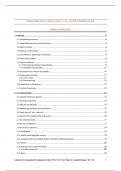
Class 1: Introduction...................................................................................................................................... 3
1.1 The news about news......................................................................................................................................3
1.2 How China is changing your internet..............................................................................................................3
1.3 Representation of other cultures....................................................................................................................3
1.4 What is international communication?..........................................................................................................4
a. Closely related concepts...............................................................................................................................4
b. Flows and stories..........................................................................................................................................4
c. Why study global communication?..............................................................................................................5
Class 2: Modernization................................................................................................................................... 5
2.1 Introduction.....................................................................................................................................................5
2.2 DC paradigms..................................................................................................................................................5
a. What are (DC) paradigms?............................................................................................................................5
2.3 Modernization: historical context...................................................................................................................6
2.4 Modernization: how is development conceived?............................................................................................6
a. Three approaches within modernization paradigm:....................................................................................6
b. Modernization: role of communication.......................................................................................................8
c. Modernization: policy orientation................................................................................................................9
d. Modernization: critiques..............................................................................................................................9
e. Responses to the critiques.........................................................................................................................10
Class 3: Participatory Paradigm.................................................................................................................... 10
3.1 How is development conceived?...................................................................................................................10
3.2 Two types of participation............................................................................................................................11
3.3 Communication, media & participation........................................................................................................11
a. Policy...........................................................................................................................................................12
3.4 Critique on this paradigm.............................................................................................................................12
3.5 Current relevance..........................................................................................................................................13
3.6 Conclusion.....................................................................................................................................................13
Class 4: ICT4D............................................................................................................................................... 13
4.1 Introduction...................................................................................................................................................13
4.2 From diffusion to participation.....................................................................................................................13
a. From digital divide to digital inequalities...................................................................................................14
b. From diffusion to participation...................................................................................................................15
4.3 Living Labs.....................................................................................................................................................15
a. Example: Zone-IT research in Tanzania & South Africa..............................................................................16
4.4 Conclusions....................................................................................................................................................17
Class 5: ICT4D and SDG’s.............................................................................................................................. 17
5.1 Multiplicity paradigm....................................................................................................................................17
5.2 Human development.....................................................................................................................................18
5.3 Sustainable development..............................................................................................................................18
1
,Class 6: Disadvantaged woman and mobile phones in S-Africa......................................................................19
6.1 Main argument.............................................................................................................................................19
6.2 The Leisure Divide.........................................................................................................................................19
6.3 Research........................................................................................................................................................20
Set up and question........................................................................................................................................20
Results............................................................................................................................................................20
Women’s mental models on gender and ICT.................................................................................................21
What is next?..................................................................................................................................................22
Class 7: Cultural and Media Imperialism Theories.........................................................................................22
7.1 Critical Political Economy..............................................................................................................................22
Global critical political economy of communication......................................................................................22
Role of communication..................................................................................................................................22
Dependency: role of communication.............................................................................................................23
7.2 Institutional aspects of transnational media, of media imperialism............................................................23
Work from Herbert Schiller............................................................................................................................23
Conclusion on shiller: the US..........................................................................................................................23
7.3 Cultural effects of transnational media products and consumers................................................................24
7.4 Impact of media imperialism on news flows (‘70s)......................................................................................24
7.5 Global CPE critique........................................................................................................................................24
7.6 CPE & internet...............................................................................................................................................25
Class 8: TV Formats & transnationalization of TV.......................................................................................... 25
8.1 Defining TV formats......................................................................................................................................25
8.2 TV format trade: context, history & developments......................................................................................26
8.3 Adapting (or localization) of TV formats.......................................................................................................26
8.4 Format production and distribution conglomerates.....................................................................................27
8.5 Formats & globalization: next questions......................................................................................................27
Class 9: Globalization theories...................................................................................................................... 28
9.1 Definitions.....................................................................................................................................................28
9.2 Globalization, culture and power..................................................................................................................29
Castells: Network............................................................................................................................................29
Appadurai: Cultural Hybridization..................................................................................................................29
Tomlison: Cultural hybridization....................................................................................................................30
Class 10: Transnational flows in the online environment: the age of Netflix..................................................30
10.1 Transnational Flows Theory........................................................................................................................30
Global..............................................................................................................................................................31
Cultural studies...............................................................................................................................................31
Media economics...........................................................................................................................................32
10.2 Online Flows................................................................................................................................................32
The now golden age of TV?............................................................................................................................32
10.3 Netflix..........................................................................................................................................................33
Continuity vs change......................................................................................................................................33
10.4 Online transnational flows: conclusion.......................................................................................................33
2
,Class 1: Introduction
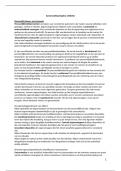
1.1 The news about news
US News coverage (2007)
o 79% US – 21% Irak – 1% Russia, China & India (probably higher now) focus on US and
countries it’s in conflict with
o focus on local news or news that has direct economic or political influence
Reasons: foreign bureaus closed; only Reuters, AP and AFP are left foreign news is rewritten
from AP and Reuters problem: (news)concentration: only 3 voices
Global communication
o localization of news in globalizing times (global news last 15-10 years)
o role of geo-political proximity: we’re interested on that was has an impact on our own
country
f.e. Congo, Trump (strong relations between US & EU), S. Africa & Brazil covid variants
1.2 How China is changing your internet
We often look at ICT’s from a Western point of view, but China has taken a different developmental
path
o has not allowed Western players into its markets
o has an ‘intranet’: It’s surveilled
o developed ‘alternative services’, f.e. WeChat
o is now becoming a player in other markets, f.e. TikTok, Aliexpress,..
o some of its applications are more advanced than in the West
Global communication is about..
o learning from other countries; cross-influences over borders
o comparative communication: ‘what’s different between; what’s happening in x vs y?’
China’s major new market for Hollywood
o rise of China’s middle class – preference for US movies ( pirate market)
o import quota for US movies (also present in other markets)
o adaptation of content to fit in China’s ‘logic’ (f.e. nothing bad about China)- no direct
obligation
o Chinese versions of block-buster movies
Global communication
o adaptation of content in international markets not uncommon
‘de-nationalization’: minimizing local aspects of content to appeal to international
markets & audiences, f.e. Japanese manga which is denationalized (Japanese elements
are taken out)
localization: adaptation of global content to appeal to a specific cultural group
often remakes or local adaption of global formats, f.e. reality shows (BB,
Temptation), Married at First Sight, Boer zkt Vrouw,..
less risk because it already proved to be successful
1.3 Representation of other cultures
Disney has a long history of producing in different times, distributing internationally,..
how do we portray cultures/people? how has this portrayal influenced what we know about
other cultures?
e.g. video of Donald Duck (western, brings tech) and Goofy (wild)
‘How to read Donald Duck’
o Donald Duck is a reflection of the Western capitalist ideology
o establishing of hegemonic ideas about capitalism, race and gender
3
, 1.4 What is international communication?
‘International’ refers to ‘processes that occur among states’, like in international relations
A critique on taking ‘nation state’ as a defining element
o states are becoming less important because of globalization and liberalization
o international and supra-national organizations policy level
o media tech are global in scope Internet is a global network
o diaspora communities transnational media, f.e. Turkish people in Belgium still watch
Turkish TV
‘State’ is still an important defining element in terms of production, distribution and consumption
o US/UK protectionist tendencies – economic, geographic (borders)
o internet control and censorship are increasing worldwide
internet is becoming less and less global: geographically controlled, f.e. China, Iran,
Ethiopia
Definition: information flow of values, norms, culture and information between and the effects for
individuals, groups, states and regions
A. CLOSELY RELATED CONCEPTS
Global communication
o most fashionable term, but somewhat misleading: image of 1 world, 1 homogenized society
o connotation of 1-world community
world is still a highly uneven place, both within and between countries
most communication is local
audiences in general prefer local content (but is shifting to global (because of OTT))
news is in general mainly local
social media are global in scope, but local in use (and local versions) (started as
global use), f.e. you’re connected with mostly local people you know on social media
glocal communication: mix between global and local
o ‘communication can be seen as an agent of globalizing processes in economic, political and
social-cultural fields that interconnect large numbers of people across the globe’
Intercultural communication (not part of this course)
o focus on communication in different cultural contexts
o focus on the individual skills (verbal and non-verbal) to communicate
o strong focus on language/culture/interpretation
o less focus om technical medium transporting communication
B. FLOWS AND STORIES
Flows = motion
o Castells: ‘society is constructed around flows’
o information, goods, money flow across borders
multi-directionality of movement (Hamelink)
linear, circular, top-down, bottom-up, engineered and spontaneous
BUT flows are highly uneven; inclusion/exclusion
Stories
o learn and create meaning from stories
o stories move over borders
dominant stories (Hollywood, Netflix, CNN, Reuters)
counter-stories (local actors, indie movies, alternative news)
o flow of ideas, opinions, observations, knowledge, information, data, sounds, images
4
Class 1: Introduction...................................................................................................................................... 3
1.1 The news about news......................................................................................................................................3
1.2 How China is changing your internet..............................................................................................................3
1.3 Representation of other cultures....................................................................................................................3
1.4 What is international communication?..........................................................................................................4
a. Closely related concepts...............................................................................................................................4
b. Flows and stories..........................................................................................................................................4
c. Why study global communication?..............................................................................................................5
Class 2: Modernization................................................................................................................................... 5
2.1 Introduction.....................................................................................................................................................5
2.2 DC paradigms..................................................................................................................................................5
a. What are (DC) paradigms?............................................................................................................................5
2.3 Modernization: historical context...................................................................................................................6
2.4 Modernization: how is development conceived?............................................................................................6
a. Three approaches within modernization paradigm:....................................................................................6
b. Modernization: role of communication.......................................................................................................8
c. Modernization: policy orientation................................................................................................................9
d. Modernization: critiques..............................................................................................................................9
e. Responses to the critiques.........................................................................................................................10
Class 3: Participatory Paradigm.................................................................................................................... 10
3.1 How is development conceived?...................................................................................................................10
3.2 Two types of participation............................................................................................................................11
3.3 Communication, media & participation........................................................................................................11
a. Policy...........................................................................................................................................................12
3.4 Critique on this paradigm.............................................................................................................................12
3.5 Current relevance..........................................................................................................................................13
3.6 Conclusion.....................................................................................................................................................13
Class 4: ICT4D............................................................................................................................................... 13
4.1 Introduction...................................................................................................................................................13
4.2 From diffusion to participation.....................................................................................................................13
a. From digital divide to digital inequalities...................................................................................................14
b. From diffusion to participation...................................................................................................................15
4.3 Living Labs.....................................................................................................................................................15
a. Example: Zone-IT research in Tanzania & South Africa..............................................................................16
4.4 Conclusions....................................................................................................................................................17
Class 5: ICT4D and SDG’s.............................................................................................................................. 17
5.1 Multiplicity paradigm....................................................................................................................................17
5.2 Human development.....................................................................................................................................18
5.3 Sustainable development..............................................................................................................................18
1
,Class 6: Disadvantaged woman and mobile phones in S-Africa......................................................................19
6.1 Main argument.............................................................................................................................................19
6.2 The Leisure Divide.........................................................................................................................................19
6.3 Research........................................................................................................................................................20
Set up and question........................................................................................................................................20
Results............................................................................................................................................................20
Women’s mental models on gender and ICT.................................................................................................21
What is next?..................................................................................................................................................22
Class 7: Cultural and Media Imperialism Theories.........................................................................................22
7.1 Critical Political Economy..............................................................................................................................22
Global critical political economy of communication......................................................................................22
Role of communication..................................................................................................................................22
Dependency: role of communication.............................................................................................................23
7.2 Institutional aspects of transnational media, of media imperialism............................................................23
Work from Herbert Schiller............................................................................................................................23
Conclusion on shiller: the US..........................................................................................................................23
7.3 Cultural effects of transnational media products and consumers................................................................24
7.4 Impact of media imperialism on news flows (‘70s)......................................................................................24
7.5 Global CPE critique........................................................................................................................................24
7.6 CPE & internet...............................................................................................................................................25
Class 8: TV Formats & transnationalization of TV.......................................................................................... 25
8.1 Defining TV formats......................................................................................................................................25
8.2 TV format trade: context, history & developments......................................................................................26
8.3 Adapting (or localization) of TV formats.......................................................................................................26
8.4 Format production and distribution conglomerates.....................................................................................27
8.5 Formats & globalization: next questions......................................................................................................27
Class 9: Globalization theories...................................................................................................................... 28
9.1 Definitions.....................................................................................................................................................28
9.2 Globalization, culture and power..................................................................................................................29
Castells: Network............................................................................................................................................29
Appadurai: Cultural Hybridization..................................................................................................................29
Tomlison: Cultural hybridization....................................................................................................................30
Class 10: Transnational flows in the online environment: the age of Netflix..................................................30
10.1 Transnational Flows Theory........................................................................................................................30
Global..............................................................................................................................................................31
Cultural studies...............................................................................................................................................31
Media economics...........................................................................................................................................32
10.2 Online Flows................................................................................................................................................32
The now golden age of TV?............................................................................................................................32
10.3 Netflix..........................................................................................................................................................33
Continuity vs change......................................................................................................................................33
10.4 Online transnational flows: conclusion.......................................................................................................33
2
,Class 1: Introduction
1.1 The news about news
US News coverage (2007)
o 79% US – 21% Irak – 1% Russia, China & India (probably higher now) focus on US and
countries it’s in conflict with
o focus on local news or news that has direct economic or political influence
Reasons: foreign bureaus closed; only Reuters, AP and AFP are left foreign news is rewritten
from AP and Reuters problem: (news)concentration: only 3 voices
Global communication
o localization of news in globalizing times (global news last 15-10 years)
o role of geo-political proximity: we’re interested on that was has an impact on our own
country
f.e. Congo, Trump (strong relations between US & EU), S. Africa & Brazil covid variants
1.2 How China is changing your internet
We often look at ICT’s from a Western point of view, but China has taken a different developmental
path
o has not allowed Western players into its markets
o has an ‘intranet’: It’s surveilled
o developed ‘alternative services’, f.e. WeChat
o is now becoming a player in other markets, f.e. TikTok, Aliexpress,..
o some of its applications are more advanced than in the West
Global communication is about..
o learning from other countries; cross-influences over borders
o comparative communication: ‘what’s different between; what’s happening in x vs y?’
China’s major new market for Hollywood
o rise of China’s middle class – preference for US movies ( pirate market)
o import quota for US movies (also present in other markets)
o adaptation of content to fit in China’s ‘logic’ (f.e. nothing bad about China)- no direct
obligation
o Chinese versions of block-buster movies
Global communication
o adaptation of content in international markets not uncommon
‘de-nationalization’: minimizing local aspects of content to appeal to international
markets & audiences, f.e. Japanese manga which is denationalized (Japanese elements
are taken out)
localization: adaptation of global content to appeal to a specific cultural group
often remakes or local adaption of global formats, f.e. reality shows (BB,
Temptation), Married at First Sight, Boer zkt Vrouw,..
less risk because it already proved to be successful
1.3 Representation of other cultures
Disney has a long history of producing in different times, distributing internationally,..
how do we portray cultures/people? how has this portrayal influenced what we know about
other cultures?
e.g. video of Donald Duck (western, brings tech) and Goofy (wild)
‘How to read Donald Duck’
o Donald Duck is a reflection of the Western capitalist ideology
o establishing of hegemonic ideas about capitalism, race and gender
3
, 1.4 What is international communication?
‘International’ refers to ‘processes that occur among states’, like in international relations
A critique on taking ‘nation state’ as a defining element
o states are becoming less important because of globalization and liberalization
o international and supra-national organizations policy level
o media tech are global in scope Internet is a global network
o diaspora communities transnational media, f.e. Turkish people in Belgium still watch
Turkish TV
‘State’ is still an important defining element in terms of production, distribution and consumption
o US/UK protectionist tendencies – economic, geographic (borders)
o internet control and censorship are increasing worldwide
internet is becoming less and less global: geographically controlled, f.e. China, Iran,
Ethiopia
Definition: information flow of values, norms, culture and information between and the effects for
individuals, groups, states and regions
A. CLOSELY RELATED CONCEPTS
Global communication
o most fashionable term, but somewhat misleading: image of 1 world, 1 homogenized society
o connotation of 1-world community
world is still a highly uneven place, both within and between countries
most communication is local
audiences in general prefer local content (but is shifting to global (because of OTT))
news is in general mainly local
social media are global in scope, but local in use (and local versions) (started as
global use), f.e. you’re connected with mostly local people you know on social media
glocal communication: mix between global and local
o ‘communication can be seen as an agent of globalizing processes in economic, political and
social-cultural fields that interconnect large numbers of people across the globe’
Intercultural communication (not part of this course)
o focus on communication in different cultural contexts
o focus on the individual skills (verbal and non-verbal) to communicate
o strong focus on language/culture/interpretation
o less focus om technical medium transporting communication
B. FLOWS AND STORIES
Flows = motion
o Castells: ‘society is constructed around flows’
o information, goods, money flow across borders
multi-directionality of movement (Hamelink)
linear, circular, top-down, bottom-up, engineered and spontaneous
BUT flows are highly uneven; inclusion/exclusion
Stories
o learn and create meaning from stories
o stories move over borders
dominant stories (Hollywood, Netflix, CNN, Reuters)
counter-stories (local actors, indie movies, alternative news)
o flow of ideas, opinions, observations, knowledge, information, data, sounds, images
4