Brunner & Suddarth's Textbook of
Medical-Surgical Nursing
16th Edition
• Author(s)Janice L. Hinkle; Kerry H.
Cheever; Kristen J. Overbaugh; Carolyn
E. Bradley
ISBN: 9781975221133
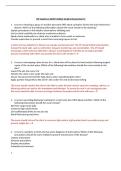
Question 1:
Question Type: MCQ
Question Stem:
A nurse is caring for a newly admitted patient who says, “I do
not want my family told about my diagnosis.” Which action by
the nurse best reflects professional nursing practice?
Options:
A. Explain that the family has the right to know because they
may help with care.
,B. Document the request and protect the patient’s privacy
when sharing information.
C. Ask the family to leave the room permanently so the patient
can speak freely.
D. Tell the patient that only the provider can decide who
receives information.
Correct Answer: B
Rationale for A: This response ignores confidentiality and may
violate the patient’s right to control health information. Family
support can be helpful, but it does not override privacy laws or
patient preference.
Rationale for B: This is correct because professional nursing
practice includes protecting confidentiality, respecting
autonomy, and sharing information only with authorized
individuals. The nurse should document the request and follow
privacy standards.
Rationale for C: Although privacy during conversation is
important, permanently excluding family is not automatically
appropriate and may damage therapeutic relationships. The
nurse should assess the patient’s wishes and the situation
rather than make a blanket decision.
Rationale for D: Providers do not unilaterally decide who may
receive information. The patient’s preferences and privacy
rights guide disclosure unless there is a legal exception.
,Key Takeaway: Professional nursing practice requires respect
for patient autonomy, confidentiality, and privacy.
Question 2:
Question Type: MCQ
Question Stem:
Which statement best describes the patient’s role as a
consumer of nursing and health care?
Options:
A. The patient is expected to accept all recommended
interventions without question.
B. The patient has the right to participate in decisions about
care and treatment.
C. The patient’s role is limited to following discharge
instructions after hospitalization.
D. The patient can only evaluate care after treatment is
completed.
Correct Answer: B
Rationale for A: Patients are not expected to passively accept
care. Shared decision-making is a core principle of patient-
centered care.
Rationale for B: This is correct because patients are consumers
of care who have rights to information, choice, participation,
, and informed decision-making. Nursing practice supports these
rights.
Rationale for C: The patient’s role begins before discharge and
includes assessment, preference sharing, and decision-making
throughout care.
Rationale for D: Patients may evaluate care during and after
treatment, and their feedback can influence safety and quality
improvement in real time.
Key Takeaway: Patients are active participants in care, not
passive recipients.
Question 3:
Question Type: MCQ
Question Stem:
A nurse is planning discharge teaching for a patient with limited
English proficiency. Which action best promotes health equity?
Options:
A. Speak slowly and loudly so the patient can understand.
B. Use a trained medical interpreter during teaching.
C. Ask the patient’s teenage child to translate.
D. Provide only written instructions in the patient’s first
language.
Medical-Surgical Nursing
16th Edition
• Author(s)Janice L. Hinkle; Kerry H.
Cheever; Kristen J. Overbaugh; Carolyn
E. Bradley
ISBN: 9781975221133
Question 1:
Question Type: MCQ
Question Stem:
A nurse is caring for a newly admitted patient who says, “I do
not want my family told about my diagnosis.” Which action by
the nurse best reflects professional nursing practice?
Options:
A. Explain that the family has the right to know because they
may help with care.
,B. Document the request and protect the patient’s privacy
when sharing information.
C. Ask the family to leave the room permanently so the patient
can speak freely.
D. Tell the patient that only the provider can decide who
receives information.
Correct Answer: B
Rationale for A: This response ignores confidentiality and may
violate the patient’s right to control health information. Family
support can be helpful, but it does not override privacy laws or
patient preference.
Rationale for B: This is correct because professional nursing
practice includes protecting confidentiality, respecting
autonomy, and sharing information only with authorized
individuals. The nurse should document the request and follow
privacy standards.
Rationale for C: Although privacy during conversation is
important, permanently excluding family is not automatically
appropriate and may damage therapeutic relationships. The
nurse should assess the patient’s wishes and the situation
rather than make a blanket decision.
Rationale for D: Providers do not unilaterally decide who may
receive information. The patient’s preferences and privacy
rights guide disclosure unless there is a legal exception.
,Key Takeaway: Professional nursing practice requires respect
for patient autonomy, confidentiality, and privacy.
Question 2:
Question Type: MCQ
Question Stem:
Which statement best describes the patient’s role as a
consumer of nursing and health care?
Options:
A. The patient is expected to accept all recommended
interventions without question.
B. The patient has the right to participate in decisions about
care and treatment.
C. The patient’s role is limited to following discharge
instructions after hospitalization.
D. The patient can only evaluate care after treatment is
completed.
Correct Answer: B
Rationale for A: Patients are not expected to passively accept
care. Shared decision-making is a core principle of patient-
centered care.
Rationale for B: This is correct because patients are consumers
of care who have rights to information, choice, participation,
, and informed decision-making. Nursing practice supports these
rights.
Rationale for C: The patient’s role begins before discharge and
includes assessment, preference sharing, and decision-making
throughout care.
Rationale for D: Patients may evaluate care during and after
treatment, and their feedback can influence safety and quality
improvement in real time.
Key Takeaway: Patients are active participants in care, not
passive recipients.
Question 3:
Question Type: MCQ
Question Stem:
A nurse is planning discharge teaching for a patient with limited
English proficiency. Which action best promotes health equity?
Options:
A. Speak slowly and loudly so the patient can understand.
B. Use a trained medical interpreter during teaching.
C. Ask the patient’s teenage child to translate.
D. Provide only written instructions in the patient’s first
language.