TEST BANK For Varcarolis' Foundations of Psychiatric-
sd sd sd sd sd sd
Mental Health Nursing, 9th Edition
sd sd sd sd sd
by Margaret Jordan Halter Chapters 1 - 36 | Complete
sd sd sd sd sd sd sd sd sd
,TABLE OF CONTENTS
sd sd
Chapter 01 Mental Health and Mental Illness
sd sd sd sd sd sd 2
Chapter 02 Theories and Therapies Approach
sd sd sd sd sd 12
Chapter 03 Psychobiology and Psychopharmacology
sd sd sd sd 25
Chapter 04 Treatment Settings
sd sd sd 37
Chapter 05 Cultural Implications
sd sd sd 50
Chapter 06 Legal and Ethical Considerations
sd sd sd sd sd 61
Chapter 07 The Nursing Process and Standards of Care
sd sd sd sd sd sd sd sd 72
Chapter 08 Therapeutic Relationships
sd sd sd 83
Chapter 09 Therapeutic Communication
sd sd sd 94
Chapter 10 Stress Responses and Stress Management
sd sd sd sd sd sd 103
Chapter 11 Childhood and Neurodevelopmental Disorders
sd sd sd sd sd 113
Chapter 12 Schizophrenia Spectrum Disorders
sd sd sd sd 123
Chapter 13 Bipolar and Related Disorders
sd sd sd sd sd 137
Chapter 14 Depressive Disorders
sd sd sd 150
Chapter 15 Anxiety and Obsessive-Compulsive Disorders
sd sd sd sd sd 162
Chapter 16 Trauma, Stressor-Related, and Dissociative Disorders
sd sd sd sd sd sd 175
Chapter 17 Somatic Symptom Disorders
sd sd sd sd 187
Chapter 18 Eating and Feeding Disorders
sd sd sd sd sd 197
Chapter 19 Sleep–Wake Disorders
sd sd sd 207
Chapter 20 Sexual Dysfunctions, Gender Dysphoria, and Paraphilic Disorders
sd sd sd sd sd sd sd sd 216
Chapter 21 Impulse Control Disorders
sd sd sd sd 226
Chapter 22 Substance-Related and Addictive Disorders
sd sd sd sd sd 236
Chapter 23 Neurocognitive Disorders
sd sd sd 248
Chapter 24 Personality Disorders
sd sd sd 259
Chapter 25 Suicide and Nonsuicidal Self-Injury
sd sd sd sd sd 270
Chapter 26 Crisis and Disaster
sd sd sd sd 280
Chapter 27 Anger, Aggression, and Violence
sd sd sd sd sd 290
Chapter 28 Child, Older Adult, and Intimate Partner Violence
sd sd sd sd sd sd sd sd 300
Chapter 29 Sexual Assault
sd sd sd 309
Chapter 30 Dying, Death, and Grieving
sd sd sd sd sd 318
Chapter 31 Older Adults
sd sd sd 326
Chapter 32 Serious Mental Illness
sd sd sd sd 338
Chapter 33 Forensic Nursing
sd sd sd 351
Chapter 34 Therapeutic Groups
sd sd sd 360
Chapter 35 Family Interventions
sd sd sd 371
Chapter 36 Integrative Care
sd sd sd 382
, Test sdBank sd- sdVarcarolis' sdFoundations sdof sdPsychiatric sdMental sdHealth sdNursing, sd9e
Chapter 01: Mental Health and Mental Illness
sd sd sd sd sd sd
Halter: Varcarolis’ Foundations of Psychiatric-Mental Health Nursing: A
sd sd sd sd sd sd sd
ClinicalApproach, 9th Edition
sd d
s sd sd
MULTIPLE CHOICE sd
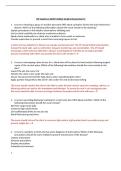
1. The scope of practiced for an advanced nurse practitioner would include which intervention?
sd sd sd sd sd sd sd sd sd sd sd sd
a. Conducting a mental health assessment. sd sd sd sd
b. Prescribing psychotropic medication. sd sd
c. Establishing a therapeutic relationship. sd sd sd
d. Individualizing a nursing care plan. sd sd sd sd
ANSWER: s d B
In most states, prescriptive privileges are granted to master’s-prepared nurse
sd sd sd sd sd sd sd sd sd
sd practitioners andclinical nurse specialists who have taken special courses on
sd d
s sd sd sd sd sd sd sd sd
sd prescribing medication. The nurseprepared at the basic level is permitted to perform
sd sd sd d
s sd sd sd sd sd sd sd sd
sd mental health assessments, establish relationships, and provide individualized care
sd sd sd sd sd sd sd sd
sd planning.
PTS: sd sd s d 1 DIF: Cognitive Level: Understand (Comprehension)
sd sd sd
TOP: sd sd s d Nursing Process: Implementation MSC:
sd sd s d Client Needs: Safe, Effective Care Environment
sd sd sd sd sd
2. A nursing student expresses concerns that mental health nurses “lose all their clinical
sd sd sd sd sd sd sd sd sd sd sd sd
sd nursingskills.” Select the best response by the mental health nurse.
d
s sd sd sd sd sd sd sd sd sd
a. “Psychiatric nurses practice in safer environments than other specialties.
sd sd sd sd sd sd sd sd
sd Nurse-to-client ratios must be better because of the nature of the clients’
d
s sd sd sd sd sd sd sd sd sd sd sd
sd problems.”
b. “Psychiatric nurses use complex communication skills as well as critical
sd sd sd sd sd sd sd sd sd
sd thinkingto solve multidimensional problems. I am challenged by those
d
s sd sd sd sd sd sd sd sd
sd situations.”
c. “That’s a misconception. Psychiatric nurses frequently use high
sd sd sd sd sd sd sd
sd technologymonitoring equipment and manage complex intravenous
d
s sd sd sd sd sd
sd therapies.”
d. “Psychiatric nurses do not have to deal with as much pain and sd sd sd sd sd sd sd sd sd sd sd
sd suffering asmedical–surgical nurses do. That appeals to me.”
sd d
s sd sd sd sd sd sd
ANSWER: s d B
1 | P a g e
sd sd sd sd sd
, Test sdBank sd- sdVarcarolis' sdFoundations sdof sdPsychiatric sdMental sdHealth sdNursing, sd9e
The practice of psychiatric nursing requires a different set of skills than medical–
sd sd sd sd sd sd sd sd sd sd sd sd
surgical nursing, though there is substantial overlap. Psychiatric nurses must be able to
sd sd sd sd sd sd sd sd sd sd sd sd
sd help clients with medical as well as mental health problems, reflecting the holistic
sd sd sd sd sd sd sd sd sd sd sd sd
sd perspective these nursesm ust have. Nurse–client ratios and workloads in psychiatric
sd sd d
s sd sd sd sd sd sd sd
sd settings have increased, just like other specialties. Psychiatric nursing involves clinical
sd sd sd sd sd sd sd sd sd sd
practice, not just documentation.
sd sd sd sd
Psychosocial pain and suffering are as real as physical pain and suffering.
sd sd sd sd sd sd sd sd sd sd sd
PTS: sd sd s d 1 DIF: Cognitive Level: Apply (Application)sd sd sd
TOP: sd sd s d Nursing Process: Implementation MSC:
sd sd s d Client Needs: Safe, Effective Care Environment
sd sd sd sd sd
3. When a new bill introduced in Congress reduces funding for care of persons diagnosed
sd sd sd sd sd sd sd sd sd sd sd sd sd
sd with mental illness, a group of nurses write letters to their elected representatives in
sd sd sd sd sd sd sd sd sd sd sd sd sd
sd opposition to the legislation. Which role have the nurses fulfilled?
sd sd sd sd sd sd sd sd sd
a. Recovery
b. Attending
c. Advocacy
d. Evidence-based practice sd
2 | P a g e
sd sd sd sd sd
sd sd sd sd sd sd
Mental Health Nursing, 9th Edition
sd sd sd sd sd
by Margaret Jordan Halter Chapters 1 - 36 | Complete
sd sd sd sd sd sd sd sd sd
,TABLE OF CONTENTS
sd sd
Chapter 01 Mental Health and Mental Illness
sd sd sd sd sd sd 2
Chapter 02 Theories and Therapies Approach
sd sd sd sd sd 12
Chapter 03 Psychobiology and Psychopharmacology
sd sd sd sd 25
Chapter 04 Treatment Settings
sd sd sd 37
Chapter 05 Cultural Implications
sd sd sd 50
Chapter 06 Legal and Ethical Considerations
sd sd sd sd sd 61
Chapter 07 The Nursing Process and Standards of Care
sd sd sd sd sd sd sd sd 72
Chapter 08 Therapeutic Relationships
sd sd sd 83
Chapter 09 Therapeutic Communication
sd sd sd 94
Chapter 10 Stress Responses and Stress Management
sd sd sd sd sd sd 103
Chapter 11 Childhood and Neurodevelopmental Disorders
sd sd sd sd sd 113
Chapter 12 Schizophrenia Spectrum Disorders
sd sd sd sd 123
Chapter 13 Bipolar and Related Disorders
sd sd sd sd sd 137
Chapter 14 Depressive Disorders
sd sd sd 150
Chapter 15 Anxiety and Obsessive-Compulsive Disorders
sd sd sd sd sd 162
Chapter 16 Trauma, Stressor-Related, and Dissociative Disorders
sd sd sd sd sd sd 175
Chapter 17 Somatic Symptom Disorders
sd sd sd sd 187
Chapter 18 Eating and Feeding Disorders
sd sd sd sd sd 197
Chapter 19 Sleep–Wake Disorders
sd sd sd 207
Chapter 20 Sexual Dysfunctions, Gender Dysphoria, and Paraphilic Disorders
sd sd sd sd sd sd sd sd 216
Chapter 21 Impulse Control Disorders
sd sd sd sd 226
Chapter 22 Substance-Related and Addictive Disorders
sd sd sd sd sd 236
Chapter 23 Neurocognitive Disorders
sd sd sd 248
Chapter 24 Personality Disorders
sd sd sd 259
Chapter 25 Suicide and Nonsuicidal Self-Injury
sd sd sd sd sd 270
Chapter 26 Crisis and Disaster
sd sd sd sd 280
Chapter 27 Anger, Aggression, and Violence
sd sd sd sd sd 290
Chapter 28 Child, Older Adult, and Intimate Partner Violence
sd sd sd sd sd sd sd sd 300
Chapter 29 Sexual Assault
sd sd sd 309
Chapter 30 Dying, Death, and Grieving
sd sd sd sd sd 318
Chapter 31 Older Adults
sd sd sd 326
Chapter 32 Serious Mental Illness
sd sd sd sd 338
Chapter 33 Forensic Nursing
sd sd sd 351
Chapter 34 Therapeutic Groups
sd sd sd 360
Chapter 35 Family Interventions
sd sd sd 371
Chapter 36 Integrative Care
sd sd sd 382
, Test sdBank sd- sdVarcarolis' sdFoundations sdof sdPsychiatric sdMental sdHealth sdNursing, sd9e
Chapter 01: Mental Health and Mental Illness
sd sd sd sd sd sd
Halter: Varcarolis’ Foundations of Psychiatric-Mental Health Nursing: A
sd sd sd sd sd sd sd
ClinicalApproach, 9th Edition
sd d
s sd sd
MULTIPLE CHOICE sd
1. The scope of practiced for an advanced nurse practitioner would include which intervention?
sd sd sd sd sd sd sd sd sd sd sd sd
a. Conducting a mental health assessment. sd sd sd sd
b. Prescribing psychotropic medication. sd sd
c. Establishing a therapeutic relationship. sd sd sd
d. Individualizing a nursing care plan. sd sd sd sd
ANSWER: s d B
In most states, prescriptive privileges are granted to master’s-prepared nurse
sd sd sd sd sd sd sd sd sd
sd practitioners andclinical nurse specialists who have taken special courses on
sd d
s sd sd sd sd sd sd sd sd
sd prescribing medication. The nurseprepared at the basic level is permitted to perform
sd sd sd d
s sd sd sd sd sd sd sd sd
sd mental health assessments, establish relationships, and provide individualized care
sd sd sd sd sd sd sd sd
sd planning.
PTS: sd sd s d 1 DIF: Cognitive Level: Understand (Comprehension)
sd sd sd
TOP: sd sd s d Nursing Process: Implementation MSC:
sd sd s d Client Needs: Safe, Effective Care Environment
sd sd sd sd sd
2. A nursing student expresses concerns that mental health nurses “lose all their clinical
sd sd sd sd sd sd sd sd sd sd sd sd
sd nursingskills.” Select the best response by the mental health nurse.
d
s sd sd sd sd sd sd sd sd sd
a. “Psychiatric nurses practice in safer environments than other specialties.
sd sd sd sd sd sd sd sd
sd Nurse-to-client ratios must be better because of the nature of the clients’
d
s sd sd sd sd sd sd sd sd sd sd sd
sd problems.”
b. “Psychiatric nurses use complex communication skills as well as critical
sd sd sd sd sd sd sd sd sd
sd thinkingto solve multidimensional problems. I am challenged by those
d
s sd sd sd sd sd sd sd sd
sd situations.”
c. “That’s a misconception. Psychiatric nurses frequently use high
sd sd sd sd sd sd sd
sd technologymonitoring equipment and manage complex intravenous
d
s sd sd sd sd sd
sd therapies.”
d. “Psychiatric nurses do not have to deal with as much pain and sd sd sd sd sd sd sd sd sd sd sd
sd suffering asmedical–surgical nurses do. That appeals to me.”
sd d
s sd sd sd sd sd sd
ANSWER: s d B
1 | P a g e
sd sd sd sd sd
, Test sdBank sd- sdVarcarolis' sdFoundations sdof sdPsychiatric sdMental sdHealth sdNursing, sd9e
The practice of psychiatric nursing requires a different set of skills than medical–
sd sd sd sd sd sd sd sd sd sd sd sd
surgical nursing, though there is substantial overlap. Psychiatric nurses must be able to
sd sd sd sd sd sd sd sd sd sd sd sd
sd help clients with medical as well as mental health problems, reflecting the holistic
sd sd sd sd sd sd sd sd sd sd sd sd
sd perspective these nursesm ust have. Nurse–client ratios and workloads in psychiatric
sd sd d
s sd sd sd sd sd sd sd
sd settings have increased, just like other specialties. Psychiatric nursing involves clinical
sd sd sd sd sd sd sd sd sd sd
practice, not just documentation.
sd sd sd sd
Psychosocial pain and suffering are as real as physical pain and suffering.
sd sd sd sd sd sd sd sd sd sd sd
PTS: sd sd s d 1 DIF: Cognitive Level: Apply (Application)sd sd sd
TOP: sd sd s d Nursing Process: Implementation MSC:
sd sd s d Client Needs: Safe, Effective Care Environment
sd sd sd sd sd
3. When a new bill introduced in Congress reduces funding for care of persons diagnosed
sd sd sd sd sd sd sd sd sd sd sd sd sd
sd with mental illness, a group of nurses write letters to their elected representatives in
sd sd sd sd sd sd sd sd sd sd sd sd sd
sd opposition to the legislation. Which role have the nurses fulfilled?
sd sd sd sd sd sd sd sd sd
a. Recovery
b. Attending
c. Advocacy
d. Evidence-based practice sd
2 | P a g e
sd sd sd sd sd