Myrthe Verwerft EPM 201
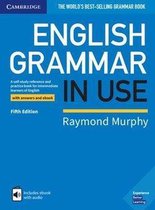
Engelse Communicatie - Grammar
DEEL 1 – MODALS.................................................................................................................... 7
Unit 37: can / could / would you … ?............................................................................................. 7
A. Iemand vragen om iets te doen (requests)........................................................................7
B. Iets vragen (in winkel / restaurant).................................................................................... 7
C. Vragen om iets te mogen doen (permission)................................................................... 8
D. Aanbieden en uitnodigen................................................................................................... 8
Unit 41: WISH................................................................................................................................. 9
A. Wish vs hope........................................................................................................................ 9
B. Wish over het heden (spijt)................................................................................................. 9
C. Wish + could.........................................................................................................................9
D. Wish + would......................................................................................................................10
E. Belangrijke regel................................................................................................................10
DEEL 2 – PASSIVE................................................................................................................... 11
Unit 44 – Passive 3........................................................................................................................ 11
A. Passive met twee objecten............................................................................................... 11
B. Passive met being.............................................................................................................. 11
C. I was born …........................................................................................................................12
D. Passive met get.................................................................................................................. 12
Unit 45 – it is said that … / he is said to … / supposed to …...................................................... 13
A. It is said that … / He is said to …...................................................................................... 13
B. supposed to.........................................................................................................................13
Unit 46 – have something done...................................................................................................14
A. Betekenis............................................................................................................................ 14
B. Woordvolgorde...................................................................................................................14
C. get something done...........................................................................................................14
D. Andere betekenis: iets slechts overkomt je................................................................... 15
DEEL 3 – REPORTED SPEECH............................................................................................. 15
Unit 47 – Reported speech 1 (he said that …).............................................................................15
A. Wat is reported speech?................................................................................................... 15
B. Tijd verandert meestal...................................................................................................... 15
C. Voorbeeld overzicht.......................................................................................................... 16
D. Past simple in reported speech....................................................................................... 16
Unit 48 – Reported speech 2........................................................................................................16
, A. Soms blijft de tijd hetzelfde.............................................................................................16
B. Verandering is verplicht als de situatie veranderd is................................................... 16
C. say vs tell.............................................................................................................................16
D. tell / ask somebody to ….................................................................................................... 17
DEEL 4 – AUXILIARY VERBS & QUESTION TAGS.......................................................... 18
Unit 51 – Auxiliary verbs (have / do / can …).............................................................................. 18
A. Wat zijn auxiliary verbs?.................................................................................................. 18
B. Auxiliary verbs om herhaling te vermijden................................................................... 18
C. do / does / did......................................................................................................................18
D. Reacties tonen (have you? / isn’t she?)............................................................................19
E. so / neither.......................................................................................................................... 19
F. I think so / I hope so.......................................................................................................... 19
Unit 52 – Question tags................................................................................................................20
A. Wat zijn question tags?.................................................................................................... 20
B. Positief ↔ negatief............................................................................................................ 20
C. Intonatie = betekenis........................................................................................................ 20
D. Speciale gevallen................................................................................................................20
DEEL 5 – VERB PATTERNS (–ing / to).................................................................................. 21
Unit 53 – Verb + -ing.................................................................................................................... 21
Unit 54 – Verb + to........................................................................................................................ 21
Unit 55 – Verb + object + to......................................................................................................... 22
Unit 56 + 57 – Verb + -ing of to (1).............................................................................................. 23
remember.................................................................................................................................23
regret........................................................................................................................................ 23
go on.........................................................................................................................................23
begin / start / continue / intend / bother..............................................................................23
try..............................................................................................................................................23
need.......................................................................................................................................... 23
help........................................................................................................................................... 23
Unit 58 – like / would like............................................................................................................ 23
like / love / hate....................................................................................................................... 23
would like / would love / would hate / would prefer.......................................................... 24
Unit 59 – prefer & would rather..................................................................................................24
prefer........................................................................................................................................ 24
would prefer............................................................................................................................ 24
1
, would rather............................................................................................................................ 24
Unit 60 – Preposition + -ing........................................................................................................ 24
Unit 61 – be / get used to..............................................................................................................25
Unit 62 – Verb + preposition + -ing............................................................................................25
Unit 63 – there’s no point in -ing / it’s worth -ing....................................................................26
vaste structuren + -ing........................................................................................................... 26
it’s worth / it’s not worth + -ing............................................................................................ 26
have trouble / difficulty / a problem + -ing..........................................................................26
spend / waste (time) + -ing.....................................................................................................26
go + -ing (activiteiten / sport)................................................................................................ 26
Unit 64 – to / for / so that............................................................................................................. 27
to + verb = doel / reden...........................................................................................................27
something to do / eat / sit on.................................................................................................27
verschil for en to.....................................................................................................................27
so that.......................................................................................................................................27
Unit 65 – Adjective + to................................................................................................................28
structuur.................................................................................................................................. 28
nice / kind / stupid of somebody to...................................................................................... 28
sorry / glad / surprised + to.................................................................................................... 28
the first / last / next / only + to...............................................................................................28
sure / likely / bound + to.........................................................................................................28
Unit 66 – to vs preposition + -ing............................................................................................... 29
afraid to do.............................................................................................................................. 29
afraid of -ing........................................................................................................................... 29
interested in -ing.................................................................................................................... 29
interested to hear / see / know.............................................................................................. 29
sorry for -ing........................................................................................................................... 29
sorry to + verb......................................................................................................................... 29
Unit 67 – see somebody do / doing............................................................................................. 30
see somebody do.....................................................................................................................30
see somebody doing............................................................................................................... 30
Unit 68 – -ing clauses................................................................................................................... 30
twee dingen tegelijk...............................................................................................................30
having done............................................................................................................................. 30
-ing om reden uit te leggen...................................................................................................30
2
,DEEL 6 – PRONOUNS & DETERMINERS........................................................................... 31
REPORTED SPEECH (Unit 47–48)............................................................................................ 31
Wat is reported speech.......................................................................................................... 31
Tijden veranderen (backshift)...............................................................................................31
Past simple.............................................................................................................................. 32
Wanneer géén backshift........................................................................................................ 32
say / tell.................................................................................................................................... 32
tell / ask somebody to.............................................................................................................32
AUXILIARY VERBS (Unit 51).................................................................................................... 33
Hulpwerkwoorden................................................................................................................. 33
do / does / did.......................................................................................................................... 33
Ontkennen...............................................................................................................................33
so / neither............................................................................................................................... 33
I think so / I hope so.............................................................................................................. 33
QUESTION TAGS (Unit 52)........................................................................................................34
Vorm.........................................................................................................................................34
Hulpwerkwoord = zelfde....................................................................................................... 34
Betekenis................................................................................................................................. 34
Speciale gevallen.....................................................................................................................34
– ING STRUCTURES (Unit 63–68)............................................................................................ 34
there’s no point / it’s worth................................................................................................... 34
trouble / difficulty...................................................................................................................34
spend / waste time.................................................................................................................. 34
go + -ing................................................................................................................................... 35
to / for / so that (Unit 64)........................................................................................................35
adjective + to (Unit 65)........................................................................................................... 35
afraid to / afraid of (Unit 66)..................................................................................................35
see somebody do / doing (Unit 67)....................................................................................... 35
-ing clauses (Unit 68)..............................................................................................................35
PRONOUNS & DETERMINERS (Unit 82–91)......................................................................... 36
Reflexive pronouns (Unit 82).................................................................................................36
a friend of mine (Unit 83)...................................................................................................... 36
there / it (Unit 84)....................................................................................................................36
some / any (Unit 85)................................................................................................................ 36
no / none / nothing / nobody (Unit 86)................................................................................. 36
3
, much / many / little / few (Unit 87)....................................................................................... 37
all / most / none / both / either (Unit 88–89)........................................................................ 37
each / every (Unit 91).............................................................................................................. 37
DEEL 7 – RELATIVE CLAUSES (units 92 - 97).................................................................... 37
1. Wat is een relative clause.........................................................................................................37
2. Wie gebruik je wanneer........................................................................................................... 37
Voor mensen........................................................................................................................... 37
Voor dingen.............................................................................................................................38
Voor plaatsen, tijd, reden...................................................................................................... 38
3. Subject of object........................................................................................................................38
A. Relative word = subject → verplicht................................................................................ 38
B. Relative word = object → mag weg...................................................................................39
4. Met voorzetsels (to, for, with, in…)..........................................................................................39
5. Extra information clauses (met komma’s)............................................................................. 39
6. which voor een hele zin........................................................................................................... 40
7. -ing en -ed clauses (verkorte relatives)...................................................................................40
-ing = actief..............................................................................................................................40
-ed = passief.............................................................................................................................40
8. Snel overzicht............................................................................................................................ 40
DEEL 8 – ADJECTIVES & ADVERBS (units 109 - 112)....................................................... 41
1. Reflexive pronouns................................................................................................................... 41
each other / one another........................................................................................................41
myself = nadruk.......................................................................................................................41
2. a friend of mine – my own – on my own / by myself............................................................ 42
a friend of mine...................................................................................................................... 42
my own.....................................................................................................................................42
own = zelf doen....................................................................................................................... 42
on my own / by myself............................................................................................................42
3. there … / it …............................................................................................................................... 42
there is / there was..................................................................................................................42
it................................................................................................................................................ 42
it aan het begin....................................................................................................................... 42
afstand, tijd, weer................................................................................................................... 42
4. some / any...................................................................................................................................42
some......................................................................................................................................... 42
4
, any............................................................................................................................................ 43
any = “het maakt niet uit welke”.......................................................................................... 43
somebody / anybody............................................................................................................... 43
5. no / none / nothing / nobody.................................................................................................... 43
no + noun................................................................................................................................. 43
none..........................................................................................................................................43
nothing / nobody.....................................................................................................................43
6. much / many / little / few / a lot / plenty................................................................................. 44
telbaar...................................................................................................................................... 44
ontelbaar..................................................................................................................................44
a lot of / plenty of....................................................................................................................44
verschil.....................................................................................................................................44
7. all / most / some / none / both / either / neither.....................................................................44
all / most + noun......................................................................................................................44
all of / most of..........................................................................................................................44
both / either / neither (2 dingen)........................................................................................... 44
8. every / each / whole................................................................................................................... 45
every......................................................................................................................................... 45
each.......................................................................................................................................... 45
whole........................................................................................................................................ 45
9. Relative clauses (who / that / which / whose / where)........................................................... 45
people.......................................................................................................................................45
things....................................................................................................................................... 45
weg laten?................................................................................................................................45
whose....................................................................................................................................... 45
where........................................................................................................................................45
10. -ing en -ed clauses.................................................................................................................. 46
-ing........................................................................................................................................... 46
-ed............................................................................................................................................. 46
11. even........................................................................................................................................... 46
even.......................................................................................................................................... 46
even + comparative.................................................................................................................46
even though / even if / even when........................................................................................ 46
12. still / not … anymore / yet / already........................................................................................47
still............................................................................................................................................ 47
5
, not … anymore / no longer..................................................................................................... 47
yet............................................................................................................................................. 47
already......................................................................................................................................47
13. Word order (bijwoorden)........................................................................................................47
bijwoord in de zin.................................................................................................................. 47
plaats & tijd............................................................................................................................. 47
DEEL 9 – PHRASAL VERBS (units 137 - 145)...................................................................... 48
1. Relative clauses (who / which / that / whose / where)........................................................... 48
1.1 Wie of wat?........................................................................................................................48
1.2 Subject of object?............................................................................................................. 48
1.3 Extra informatie (met komma’s)..................................................................................... 48
1.4 Andere vormen................................................................................................................. 48
1.5 -ing en -ed clauses............................................................................................................49
2. Adjectives & adverbs................................................................................................................ 49
2.1 Adjective vs adverb.......................................................................................................... 49
2.2 Plaats van adverbs............................................................................................................ 49
2.3 Still / any more / yet / already.......................................................................................... 50
2.4 Even....................................................................................................................................50
3. Phrasal verbs (heel belangrijk)................................................................................................ 50
3.1 Wat is een phrasal verb?..................................................................................................50
3.2 Objectpositie.....................................................................................................................50
3.3 Belangrijkste categorieën................................................................................................51
in / out................................................................................................................................51
on / off................................................................................................................................51
up........................................................................................................................................51
down.................................................................................................................................. 51
away / back........................................................................................................................51
6
, DEEL 1 – MODALS
Unit 37: can / could / would you … ?
( requests – asking – offering – inviting )
A. Iemand vragen om iets te doen (requests)
Gebruik can of could.
● Can you + verb … ? → gewoon, beleefd
Can you wait a moment, please?
● Could you + verb … ? → beleefder dan can
Could you tell me how to get to the bus station?
● Do you think you could … ? → extra beleefd
Do you think you could take me to the airport?
NIET: Do you think you can
B. Iets vragen (in winkel / restaurant)
Gebruik:
● Can I have … ?
● Could I have … ?
● Can I get … ?
Voorbeelden:
● Can I have these postcards, please?
● Can we have the menu, please?
→ May I have … ?
= ook mogelijk, formeler dan can / could.
7
, C. Vragen om iets te mogen doen (permission)
Gebruik can of could.
● Can I speak to Steve, please?
● Could I use your phone charger?
Ook mogelijk:
● Do you think I could … ?
→ May I … ?
= formeler dan can / could.
Andere vaste vormen:
● Do you mind if I … ?
● Is it all right if I … ? / Is it OK if I … ?
Voorbeeld:
● Do you mind if I use your phone charger?
D. Aanbieden en uitnodigen
Aanbieden
● Can I … ?
○ Can I help you?
○ Can I get you some coffee?
Uitnodigen / aanbieden
● Would you like … ?
○ Would you like some coffee?
○ Would you like to eat with us tonight?
→ NIET: Do you like … ?
I’d like … (= I would like)
= beleefde manier om te zeggen wat je wilt.
● I’d like some information about hotels.
● I’d like to try on this jacket.
8