

10/30/25, 4:32 PM NCOI- Unit 2 Cardiovascular Flashcards | Quizlet
Science Medicine Cardiology
NCOI- Unit 2 Cardiovascular
Leave the first rating
Save
Students also studied
Echo 1 NHA_ Cardiovascular List 2 & 3 Caridovascular Lab 9: B
33 terms Teacher 39 terms 20 terms 37 terms
jennifermendez1111 Preview devonya_ray Preview Kylee_Burgamy Preview mya
Terms in this set (71)
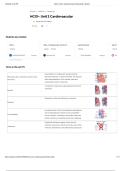
responsible for creating and transporting the
What does the conduction system in the electrical impulse, or action potential. The impulse
heart do? starts depolarization of the cardiac cells and
subsequently heart contraction
Contraction of the heart, ejecting blood from the
ventricles
Systole
Relaxation of the heart filling the ventricles
Diastole
pumping power. Can be increased by epinephrine
and norepinephrine release by the sympathetic
Contractibility
nervous system. Increasing contractility raises the
stroke volume by increasing ventricular emptying.
Peripheral resistance against which the left
ventricle must pump. Influenced by the size of the
Afterload
ventricle, wall tension, and arterial blood pressure.
https://quizlet.com/874476948/ncoi-unit-2-cardiovascular-flash-cards/ 1/12
, 10/30/25, 4:32 PM NCOI- Unit 2 Cardiovascular Flashcards | Quizlet
i. Very faint may only be heard by an expert not
heard in all positions no thrill
ii. Soft heard no positions no thrill
iii. Moderately loud, no thrill
iv. Louder and associated with a palpable thrill
Murmur Grades 1-6
v. Very loud with thrill heard it with the
stethoscope partly off the chest
vi. Loudest with thrills heard, with the stethoscope
entirely off the chest. ( just above the pericardium
not touching the skin)
Lipid Profile
C-reactive Protein
Electrocardiogram
Echocardiogram
Diagnostic studies of the cardiovascular Nuclear Scans
system Cardiac PET
Cardiovascular MRI
CT angiography (CTA)
Calcium-scoring screen
Cardiac Catheterization
i. Age
ii. Alcohol
iii. Tobacco use
iv. Diabetes mellitus
v. Elevated serum lipids
vi. Excess dietary sodium
vii. Gender (more common in young and middle
Risk Factors for Primary Hypertension
age males, more common in women over age 64)
viii. Family history
ix. Obesity
x. Ethnicity
xi. Sedentary lifestyle
xii. Socioeconomic status
xiii. stress
1. Fatigue
2. Dizziness
Symptoms of severe hypertension 3. Palpitations
4. Angina
5. Dyspnea
i. Medications
ii. Weight reduction
iii. DASH diet-fruits, vegetables, whole grains,
reduced fat
Treatment for hypertension iv. Low sodium diet
v. Moderation of alcohol intake
vi. PHYSICAL ACTIVITY-exercise is medicine
vii. Tobacco cessation
viii. Stress reduction
i. Begins as fat deposits and hardens with age
"hardening of arteries"
Atherosclerosis
ii. Endothelial injury and inflammation and lipid
deposits lead to atherosclerosis
https://quizlet.com/874476948/ncoi-unit-2-cardiovascular-flash-cards/ 2/12
Science Medicine Cardiology
NCOI- Unit 2 Cardiovascular
Leave the first rating
Save
Students also studied
Echo 1 NHA_ Cardiovascular List 2 & 3 Caridovascular Lab 9: B
33 terms Teacher 39 terms 20 terms 37 terms
jennifermendez1111 Preview devonya_ray Preview Kylee_Burgamy Preview mya
Terms in this set (71)
responsible for creating and transporting the
What does the conduction system in the electrical impulse, or action potential. The impulse
heart do? starts depolarization of the cardiac cells and
subsequently heart contraction
Contraction of the heart, ejecting blood from the
ventricles
Systole
Relaxation of the heart filling the ventricles
Diastole
pumping power. Can be increased by epinephrine
and norepinephrine release by the sympathetic
Contractibility
nervous system. Increasing contractility raises the
stroke volume by increasing ventricular emptying.
Peripheral resistance against which the left
ventricle must pump. Influenced by the size of the
Afterload
ventricle, wall tension, and arterial blood pressure.
https://quizlet.com/874476948/ncoi-unit-2-cardiovascular-flash-cards/ 1/12
, 10/30/25, 4:32 PM NCOI- Unit 2 Cardiovascular Flashcards | Quizlet
i. Very faint may only be heard by an expert not
heard in all positions no thrill
ii. Soft heard no positions no thrill
iii. Moderately loud, no thrill
iv. Louder and associated with a palpable thrill
Murmur Grades 1-6
v. Very loud with thrill heard it with the
stethoscope partly off the chest
vi. Loudest with thrills heard, with the stethoscope
entirely off the chest. ( just above the pericardium
not touching the skin)
Lipid Profile
C-reactive Protein
Electrocardiogram
Echocardiogram
Diagnostic studies of the cardiovascular Nuclear Scans
system Cardiac PET
Cardiovascular MRI
CT angiography (CTA)
Calcium-scoring screen
Cardiac Catheterization
i. Age
ii. Alcohol
iii. Tobacco use
iv. Diabetes mellitus
v. Elevated serum lipids
vi. Excess dietary sodium
vii. Gender (more common in young and middle
Risk Factors for Primary Hypertension
age males, more common in women over age 64)
viii. Family history
ix. Obesity
x. Ethnicity
xi. Sedentary lifestyle
xii. Socioeconomic status
xiii. stress
1. Fatigue
2. Dizziness
Symptoms of severe hypertension 3. Palpitations
4. Angina
5. Dyspnea
i. Medications
ii. Weight reduction
iii. DASH diet-fruits, vegetables, whole grains,
reduced fat
Treatment for hypertension iv. Low sodium diet
v. Moderation of alcohol intake
vi. PHYSICAL ACTIVITY-exercise is medicine
vii. Tobacco cessation
viii. Stress reduction
i. Begins as fat deposits and hardens with age
"hardening of arteries"
Atherosclerosis
ii. Endothelial injury and inflammation and lipid
deposits lead to atherosclerosis
https://quizlet.com/874476948/ncoi-unit-2-cardiovascular-flash-cards/ 2/12


