

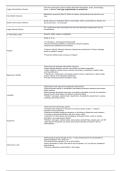
One time prescription used to replace fluid after dehydration, shock, hemorrhage,
Large Volume Bolus Infusion burns, or trauma *use large angiocatheter or central line*
Medication mixed with 50ml to 250ml of solution, administered over less than one
Intermittent Infusions hour
Small amount of medication either concentrated, either concentrated or diluted, and
Small volume bolus infusions last a short time, 1 to 2 minutes
On a continuous basis administered for fluid and electrolyte replacement and for
Large Volume Infusion mmedications
IV Prescription Units Units/Hr, mg/Hr, mg/min, mcg/kg/min
SubQ or IV inj.
-IV Indications: -anticoagulent following MI
-Venous thrombosis patients or pulmonary embolism patients
-Helps prevent additional clot formation
-Protocol: Initial IV bolus for these pts. followed by continuous IV infusion (dosage
Heparin based on patient's weight)
*Protamine Sulfate treats overdose of heparin
-Electrolyte that activates intracellular enzymes
-Helps regulate skeletal muscular contractility and blood coagulation
-Treats: acute MI, cardiac arrest, seizures secondary to eclampsia, preterm labor,
and mag deficiency
-**Monitor for: hypotension, decreased cardiac function, depressed or absent deep
Magnesium Sulfate tendon reflexes, and respiratory depression
-Provider will prescribe dose specific to case
-Beta blocker with alpha and nonselective beta activity
-Alpha blockade results in vasodilation (decreases peripheral resistance and lowers
blood pressure
-Beta blockade decreases heart rate, myocardial contractility, and rate of conduction
through the AV node (allows for efficient ventricular filling)
Lebatalol **Monitor: vital signs, cardiac state, hypotension, bradycardia, hypotension, nausea,
sweating, pulmonary edema
-Alpha and beta-adrenergic agonist
-Activates beta receptors in the heart to increase cardiac output --> leads to
increase in tissue perfusion
-Dopamine activates dopamine receptors in the kidneys (dilates the renal vessels --
> increase in glomerular filtration rate and urinary output
-Treatment for: Heart failure and cardiogenic and septic shock, need for cardiac
stimulation, and vasopressor dilation
Dopamine **Monitor: vital signs, cardiac status, tachycardia, dysrhythmias, angina pain, and MI
-High doses of dopamine can cause local vasoconstriction (monitor IV site for
extravasation)
-When giving IV bolus through IV lock --> inject small amount of concentrated or
diluted medication over short time
-First flush the line (usually 10 mL of 0.9% NaCl)
-Never administer IV bolus if the site is red and tender, or if you feel any resistance
Intravenous Lock while flushing
-Following medication administration, flush again
Large Volume Bolus Infusion burns, or trauma *use large angiocatheter or central line*
Medication mixed with 50ml to 250ml of solution, administered over less than one
Intermittent Infusions hour
Small amount of medication either concentrated, either concentrated or diluted, and
Small volume bolus infusions last a short time, 1 to 2 minutes
On a continuous basis administered for fluid and electrolyte replacement and for
Large Volume Infusion mmedications
IV Prescription Units Units/Hr, mg/Hr, mg/min, mcg/kg/min
SubQ or IV inj.
-IV Indications: -anticoagulent following MI
-Venous thrombosis patients or pulmonary embolism patients
-Helps prevent additional clot formation
-Protocol: Initial IV bolus for these pts. followed by continuous IV infusion (dosage
Heparin based on patient's weight)
*Protamine Sulfate treats overdose of heparin
-Electrolyte that activates intracellular enzymes
-Helps regulate skeletal muscular contractility and blood coagulation
-Treats: acute MI, cardiac arrest, seizures secondary to eclampsia, preterm labor,
and mag deficiency
-**Monitor for: hypotension, decreased cardiac function, depressed or absent deep
Magnesium Sulfate tendon reflexes, and respiratory depression
-Provider will prescribe dose specific to case
-Beta blocker with alpha and nonselective beta activity
-Alpha blockade results in vasodilation (decreases peripheral resistance and lowers
blood pressure
-Beta blockade decreases heart rate, myocardial contractility, and rate of conduction
through the AV node (allows for efficient ventricular filling)
Lebatalol **Monitor: vital signs, cardiac state, hypotension, bradycardia, hypotension, nausea,
sweating, pulmonary edema
-Alpha and beta-adrenergic agonist
-Activates beta receptors in the heart to increase cardiac output --> leads to
increase in tissue perfusion
-Dopamine activates dopamine receptors in the kidneys (dilates the renal vessels --
> increase in glomerular filtration rate and urinary output
-Treatment for: Heart failure and cardiogenic and septic shock, need for cardiac
stimulation, and vasopressor dilation
Dopamine **Monitor: vital signs, cardiac status, tachycardia, dysrhythmias, angina pain, and MI
-High doses of dopamine can cause local vasoconstriction (monitor IV site for
extravasation)
-When giving IV bolus through IV lock --> inject small amount of concentrated or
diluted medication over short time
-First flush the line (usually 10 mL of 0.9% NaCl)
-Never administer IV bolus if the site is red and tender, or if you feel any resistance
Intravenous Lock while flushing
-Following medication administration, flush again


