

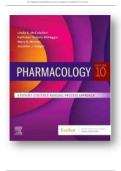
TESTBANK FOR PHARMACOLOGY10TH EDITION BY MCCUISTION
s s s s s s s
, TESTBANK FOR PHARMACOLOGY10TH EDITION BY MCCUISTION
s s s s s s s
Test Bank for ss ss
Pharmacology
A Patient-Centered Nursing Process Approach
ss ss ss ss
10th Edition ss
Authors: Linda McCuistion, Kathleen DiMaggio, Mary Beth Winton, Jennifer
ss ss ss ss ss ss ss ss
Yeager
ss
Unit 1: Introduction to Pharmacology
ss ss ss ss
Chapter 1.The Nursing Process and Patient-Centered Care
ss ss ss ss ss ss
Chapter 2.Drug Development and Ethical Considerations
ss ss ss ss ss ss
Chapter 3.Pharmacokinetics and Pharmacodynamics
ss ss ss ss
Chapter 4.Pharmacogenetics
ss ss
Chapter 5.Complementaryand Alternative Therapies
ss s ss ss
Chapter 6.Pediatric Considerations
ss ss ss
Chapter 7.Geriatric Considerations ss ss
Chapter 8.Drugs in Substance Use Disorder
ss ss ss ss ss
Unit 2: Pharmacotherapy and Drug Administration
ss ss ss ss ss
Chapter 9.Safety and Quality ss ss ss
Chapter10.DrugAdministration
ss s s
Chapter 11.Drug Calculations
ss ss ss
Unit 3: Maintenance of Homeostasis
ss ss ss ss
Chapter 12.Fluid Volume and Electrolytes
ss ss ss ss ss
Chapter 13.Vitamin and Mineral Replacement
ss ss ss cc ss
Chapter 14.Nutritional Support
ss ss ss
Unit 4: Autonomic Nervous System Drugs
ss ss ss ss ss
Chapter 15.Adrenergic Agonists and Antagonists
ss ss ss ss ss
Chapter 16.Cholinergic Agonists and Antagonists
ss ss ss ss ss
Unit 5: Central and Peripheral Nervous System Drugs
ss ss ss ss ss ss ss
Chapter 17.Stimulants ss
Chapter 18.Depressants
ss ss
Chapter19.AntiseizureDrugs
ss s s
Chapter 20.Drugs for Parkinsonism and Alzheimer‘s Disease
ss ss ss ss ss ss
Chapter 21.Drugs for Neuromuscular Disorders and Muscle Spasms
ss ss ss ss ss ss ss ss
Unit 6: Mental and Behavioral Health Drugs
ss ss ss ss ss ss ss
Chapter 22.Antipsychotics and Anxiolytics
ss ss ss
Chapter 23.Antidepressantsand Mood Stabilizers
ss ss s ss ss
Unit 7: Pain and Inflammation Management Drugs
ss ss ss ss ss ss
Chapter24.Antiinflammatories s
Chapter 25.Analgesics
ss ss
Unit 8: Antimicrobial Drugs
ss ss ss
Chapter 26.Antibacterials ss
Chapter 27.Antituberculars, Antifungals, and Antivirals
ss ss ss ss
Chapter 28.Antimalarials, Anthelmintics, and Peptides
ss ss ss ss ss
Unit 9: Immunologic Drugs
ss ss ss ss
Chapter 29.HIV-and AIDS-RelatedDrugsss s ss s
Chapter 30.Transplant Drugs
ss ss ss
Chapter 31.Vaccines ss
Unit 10: Antineoplastics and Biologic Response Modifiers
ss ss ss ss ss ss
Chapter 32.Anticancer Drugs ss ss
Chapter 33.Targeted Therapies to Treat Cancer
ss ss s ss ss
Chapter 34.Biologic Response Modifiers
ss ss ss ss
s Unit 11: Respiratory Drugs
s ss ss ss
Chapter 35.Upper Respiratory Disorders ss ss ss
Chapter 36.Lower Respiratory Disorders
ss ss ss ss
Unit 12: Cardiovascular Drugs
ss ss ss ss
Chapter 37.Cardiac Glycosides, Antianginals, and Antidysrhythmics
ss ss ss ss ss
, TESTBANK FOR PHARMACOLOGY10TH EDITION BY MCCUISTION
s s s s s s s
Chapter 38.Diuretics ss
Chapter 39.Antihypertensives
ss
Chapter 40.Anticoagulants, Antiplatelets, and Thrombolytics
ss ss ss ss
Chapter 41.Antihyperlipidemics and Drugs to Improve Peripheral Blood Flow
ss ss ss ss ss ss ss ss
Unit 13: Gastrointestinal Drugs
ss ss ss
Chapter 42.GastrointestinalTract Disorders
ss s cc
Chapter 43.Antiulcer Drugs
ss ss ss
Unit 14: Eye, Ear, and Skin Drugs
ss ss ss ss ss ss
Chapter 44.Eye and Ear Disorders
ss ss ss ss ss
Chapter 45.Dermatologic Disorders
ss ss ss
Unit 15: Endocrine Drugs
ss ss ss ss
Chapter 46.Pituitary, Thyroid, Parathyroid, and Adrenal Disorders Chapter
ss ss ss ss ss ss ss
47.Antidiabetics
ss
Unit 16: Renal and Urologic Drugs
ss ss ss ss ss
Chapter 48.Urinary Disorders
ss ss
Unit 17: Reproductive and Gender-Related Drugs
ss ss ss ss ss
Chapter 49.Pregnancy and Preterm Labor
ss ss ss ss
Chapter 50.Labor,Delivery, and Postpartum
ss ss s ss ss
Chapter 51.Neonatal and Newborn
ss ss ss ss
Chapter 52.Reproductive Health
ss ss
Chapter 53.Men‘s Health and Reproductive Disorders
ss ss ss ss ss
Chapter 54.Sexually Transmitted Infections
ss ss ss ss
Unit 18: Sexually Transmitted Infections
ss ss ss ss
Chapter 55.Adult and Pediatric Emergency Drugs
ss ss ss ss ss
Chapter 01: The Nursing Process and Patient-Centered Care
ss ss ss ss ss ss ss
McCuistion: Pharmacology: A Patient-Centered Nursing Process Approach, 10th
ss s ss s ss ss ss
Edition
ss
MULTIPLE CHOICE ss
1. The nursing process is a five-step decision-making approach that includes all of the following
ss ss ss ss ss ss ss ss ss ss ss ss ss
ss steps, EXCEPT: ss
a. Assessment
b. Patient problem ss
c. Planning
d. Right Drug ss
ANS: D
The nursing process is a five-step decision-making approach that includes: 1) assessment, 2)
ss ss ss ss ss ss ss ss ss ss ss ss
patient problem, 3) planning, 4) implementation, and 5) evaluation. ―Right drug‖ is one of the
ss ss ss ss ss ss ss ss ss ss ss ss ss ss ss
―Six Rights‖ of medication administration.
ss ss ss ss
DIF: Cognitive Level: Understanding (Comprehension) ss ss ss TOP:NursingProcess:Planning
s s s
MSC: NCLEX: Management of Care
ss ss ss ss ss
2. The nurse is using data collected to set goals or expected outcomes and interventionsthat
ss ss ss ss ss ss ss ss ss ss ss ss ss s
address the patient‘s problems. Which step of the nursing process is the nurse
ss s s ss ss ss ss ss ss ss ss ss ss ss
applying?
s s
a. Assessment
b. Patient problem ss
c. Planning N
d. Evaluation
ANS: C ss
, TESTBANK FOR PHARMACOLOGY10TH EDITION BY MCCUISTION
s s s s s s s
During the planning phase, the nurse uses the data collected to set goals or expected outcomes
ss ss ss ss ss ss ss ss ss ss ss ss ss ss ss
s s s s s s s
, TESTBANK FOR PHARMACOLOGY10TH EDITION BY MCCUISTION
s s s s s s s
Test Bank for ss ss
Pharmacology
A Patient-Centered Nursing Process Approach
ss ss ss ss
10th Edition ss
Authors: Linda McCuistion, Kathleen DiMaggio, Mary Beth Winton, Jennifer
ss ss ss ss ss ss ss ss
Yeager
ss
Unit 1: Introduction to Pharmacology
ss ss ss ss
Chapter 1.The Nursing Process and Patient-Centered Care
ss ss ss ss ss ss
Chapter 2.Drug Development and Ethical Considerations
ss ss ss ss ss ss
Chapter 3.Pharmacokinetics and Pharmacodynamics
ss ss ss ss
Chapter 4.Pharmacogenetics
ss ss
Chapter 5.Complementaryand Alternative Therapies
ss s ss ss
Chapter 6.Pediatric Considerations
ss ss ss
Chapter 7.Geriatric Considerations ss ss
Chapter 8.Drugs in Substance Use Disorder
ss ss ss ss ss
Unit 2: Pharmacotherapy and Drug Administration
ss ss ss ss ss
Chapter 9.Safety and Quality ss ss ss
Chapter10.DrugAdministration
ss s s
Chapter 11.Drug Calculations
ss ss ss
Unit 3: Maintenance of Homeostasis
ss ss ss ss
Chapter 12.Fluid Volume and Electrolytes
ss ss ss ss ss
Chapter 13.Vitamin and Mineral Replacement
ss ss ss cc ss
Chapter 14.Nutritional Support
ss ss ss
Unit 4: Autonomic Nervous System Drugs
ss ss ss ss ss
Chapter 15.Adrenergic Agonists and Antagonists
ss ss ss ss ss
Chapter 16.Cholinergic Agonists and Antagonists
ss ss ss ss ss
Unit 5: Central and Peripheral Nervous System Drugs
ss ss ss ss ss ss ss
Chapter 17.Stimulants ss
Chapter 18.Depressants
ss ss
Chapter19.AntiseizureDrugs
ss s s
Chapter 20.Drugs for Parkinsonism and Alzheimer‘s Disease
ss ss ss ss ss ss
Chapter 21.Drugs for Neuromuscular Disorders and Muscle Spasms
ss ss ss ss ss ss ss ss
Unit 6: Mental and Behavioral Health Drugs
ss ss ss ss ss ss ss
Chapter 22.Antipsychotics and Anxiolytics
ss ss ss
Chapter 23.Antidepressantsand Mood Stabilizers
ss ss s ss ss
Unit 7: Pain and Inflammation Management Drugs
ss ss ss ss ss ss
Chapter24.Antiinflammatories s
Chapter 25.Analgesics
ss ss
Unit 8: Antimicrobial Drugs
ss ss ss
Chapter 26.Antibacterials ss
Chapter 27.Antituberculars, Antifungals, and Antivirals
ss ss ss ss
Chapter 28.Antimalarials, Anthelmintics, and Peptides
ss ss ss ss ss
Unit 9: Immunologic Drugs
ss ss ss ss
Chapter 29.HIV-and AIDS-RelatedDrugsss s ss s
Chapter 30.Transplant Drugs
ss ss ss
Chapter 31.Vaccines ss
Unit 10: Antineoplastics and Biologic Response Modifiers
ss ss ss ss ss ss
Chapter 32.Anticancer Drugs ss ss
Chapter 33.Targeted Therapies to Treat Cancer
ss ss s ss ss
Chapter 34.Biologic Response Modifiers
ss ss ss ss
s Unit 11: Respiratory Drugs
s ss ss ss
Chapter 35.Upper Respiratory Disorders ss ss ss
Chapter 36.Lower Respiratory Disorders
ss ss ss ss
Unit 12: Cardiovascular Drugs
ss ss ss ss
Chapter 37.Cardiac Glycosides, Antianginals, and Antidysrhythmics
ss ss ss ss ss
, TESTBANK FOR PHARMACOLOGY10TH EDITION BY MCCUISTION
s s s s s s s
Chapter 38.Diuretics ss
Chapter 39.Antihypertensives
ss
Chapter 40.Anticoagulants, Antiplatelets, and Thrombolytics
ss ss ss ss
Chapter 41.Antihyperlipidemics and Drugs to Improve Peripheral Blood Flow
ss ss ss ss ss ss ss ss
Unit 13: Gastrointestinal Drugs
ss ss ss
Chapter 42.GastrointestinalTract Disorders
ss s cc
Chapter 43.Antiulcer Drugs
ss ss ss
Unit 14: Eye, Ear, and Skin Drugs
ss ss ss ss ss ss
Chapter 44.Eye and Ear Disorders
ss ss ss ss ss
Chapter 45.Dermatologic Disorders
ss ss ss
Unit 15: Endocrine Drugs
ss ss ss ss
Chapter 46.Pituitary, Thyroid, Parathyroid, and Adrenal Disorders Chapter
ss ss ss ss ss ss ss
47.Antidiabetics
ss
Unit 16: Renal and Urologic Drugs
ss ss ss ss ss
Chapter 48.Urinary Disorders
ss ss
Unit 17: Reproductive and Gender-Related Drugs
ss ss ss ss ss
Chapter 49.Pregnancy and Preterm Labor
ss ss ss ss
Chapter 50.Labor,Delivery, and Postpartum
ss ss s ss ss
Chapter 51.Neonatal and Newborn
ss ss ss ss
Chapter 52.Reproductive Health
ss ss
Chapter 53.Men‘s Health and Reproductive Disorders
ss ss ss ss ss
Chapter 54.Sexually Transmitted Infections
ss ss ss ss
Unit 18: Sexually Transmitted Infections
ss ss ss ss
Chapter 55.Adult and Pediatric Emergency Drugs
ss ss ss ss ss
Chapter 01: The Nursing Process and Patient-Centered Care
ss ss ss ss ss ss ss
McCuistion: Pharmacology: A Patient-Centered Nursing Process Approach, 10th
ss s ss s ss ss ss
Edition
ss
MULTIPLE CHOICE ss
1. The nursing process is a five-step decision-making approach that includes all of the following
ss ss ss ss ss ss ss ss ss ss ss ss ss
ss steps, EXCEPT: ss
a. Assessment
b. Patient problem ss
c. Planning
d. Right Drug ss
ANS: D
The nursing process is a five-step decision-making approach that includes: 1) assessment, 2)
ss ss ss ss ss ss ss ss ss ss ss ss
patient problem, 3) planning, 4) implementation, and 5) evaluation. ―Right drug‖ is one of the
ss ss ss ss ss ss ss ss ss ss ss ss ss ss ss
―Six Rights‖ of medication administration.
ss ss ss ss
DIF: Cognitive Level: Understanding (Comprehension) ss ss ss TOP:NursingProcess:Planning
s s s
MSC: NCLEX: Management of Care
ss ss ss ss ss
2. The nurse is using data collected to set goals or expected outcomes and interventionsthat
ss ss ss ss ss ss ss ss ss ss ss ss ss s
address the patient‘s problems. Which step of the nursing process is the nurse
ss s s ss ss ss ss ss ss ss ss ss ss ss
applying?
s s
a. Assessment
b. Patient problem ss
c. Planning N
d. Evaluation
ANS: C ss
, TESTBANK FOR PHARMACOLOGY10TH EDITION BY MCCUISTION
s s s s s s s
During the planning phase, the nurse uses the data collected to set goals or expected outcomes
ss ss ss ss ss ss ss ss ss ss ss ss ss ss ss


