
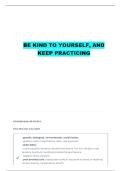
schizophrenia risk factors
Give this one a try later!
-genetic, biological, environmental, social factors
-genetics, birth complications, utero viral exposure
-older father
-communication deviance, double bind theory ("no win" situation, may
produce psychotic symptoms), bidirectional influence
-negative family dynamic
-poor prenatal care, inadequate nutrition, exposure to toxins or maternal
viruses, trauma, complications at birth
, -46% abuse drugs or alcohol
-impaired personal relationships
-alcohol DOES NOT cause it
-stressful environment exacerbates symptoms, but DOES NOT CAUSE IT
risperidone (risperdal)
Give this one a try later!
-atypical antipsychotics
-limits dopamines ability to bind with receptors in the brain, decreases
psychotic symptoms
-used for schizophrenia and BPD
-monitor for dystonia, restlessness, involuntary movements
-watch for swollen ankles, decreased output and other signs of fluid
retention
-monitor for nausea, vomiting, itchiness, and jaundice, MAN BOOBS!
-encourage clients to discuss alcohol and OTC drugs with doc
3 types of depression
Give this one a try later!
-major: change in behavior and mood. can be single event or recurrent
over time. uses SSRI for treatment
-persistent: less severe. dysthymia. SSRI to treat
-SAD: season. DO NOT USE SSRI. use NDRI, light therapy, and vitamin D
supplementation for treatment
positive symptoms of schizophrenia
, Give this one a try later!
hallucinations, delusions, disorganized thinking, sensory overload, thought
blocking, neologisms, loose associations, clang, perseveration, bizarre
behavior, overreactive affect, inappropriate affect, poor impulse control,
additional body movements, catatonia
chid abuse risk factors
Give this one a try later!
-unable to properly report (disabled, too young)
-abusers consider them to be "helpless"
-physical or emotional disability/developmental disability, illness
-parent having history of substance abuse, guns in the house
-socioeconomic status
-girls and boys risk are equal
-substance abuse among parents
-impoverished upbringing
-fire arms in the home
negative symptoms of schizophrenia
Give this one a try later!
anhedonia, memory impairment, flat affect, lack of focus, avolition, alogia,
neglect of person hygiene, social withdrawal, poor problem solving, poor
concrete thinking
if someone is showing signs of decrease cognition, what would you assess?
Give this one a try later!
-genetic, biological, environmental, social factors
-genetics, birth complications, utero viral exposure
-older father
-communication deviance, double bind theory ("no win" situation, may
produce psychotic symptoms), bidirectional influence
-negative family dynamic
-poor prenatal care, inadequate nutrition, exposure to toxins or maternal
viruses, trauma, complications at birth
, -46% abuse drugs or alcohol
-impaired personal relationships
-alcohol DOES NOT cause it
-stressful environment exacerbates symptoms, but DOES NOT CAUSE IT
risperidone (risperdal)
Give this one a try later!
-atypical antipsychotics
-limits dopamines ability to bind with receptors in the brain, decreases
psychotic symptoms
-used for schizophrenia and BPD
-monitor for dystonia, restlessness, involuntary movements
-watch for swollen ankles, decreased output and other signs of fluid
retention
-monitor for nausea, vomiting, itchiness, and jaundice, MAN BOOBS!
-encourage clients to discuss alcohol and OTC drugs with doc
3 types of depression
Give this one a try later!
-major: change in behavior and mood. can be single event or recurrent
over time. uses SSRI for treatment
-persistent: less severe. dysthymia. SSRI to treat
-SAD: season. DO NOT USE SSRI. use NDRI, light therapy, and vitamin D
supplementation for treatment
positive symptoms of schizophrenia
, Give this one a try later!
hallucinations, delusions, disorganized thinking, sensory overload, thought
blocking, neologisms, loose associations, clang, perseveration, bizarre
behavior, overreactive affect, inappropriate affect, poor impulse control,
additional body movements, catatonia
chid abuse risk factors
Give this one a try later!
-unable to properly report (disabled, too young)
-abusers consider them to be "helpless"
-physical or emotional disability/developmental disability, illness
-parent having history of substance abuse, guns in the house
-socioeconomic status
-girls and boys risk are equal
-substance abuse among parents
-impoverished upbringing
-fire arms in the home
negative symptoms of schizophrenia
Give this one a try later!
anhedonia, memory impairment, flat affect, lack of focus, avolition, alogia,
neglect of person hygiene, social withdrawal, poor problem solving, poor
concrete thinking
if someone is showing signs of decrease cognition, what would you assess?


