
• Wrong document? Swap it for free
  • Written by students who passed
  • Immediately available after payment
  • Read online or as PDF
Sell
Where do you study
Your language
Document preview thumbnail
Preview 2 out of 9 pages
Exam (elaborations)

BDS modules c.oo-c4pt2

Document preview thumbnail
Preview 2 out of 9 pages

BDS modules -c4pt2BDS modules -c4pt2BDS modules -c4pt2BDS modules -c4pt2BDS modules -c4pt2BDS modules -c4pt2BDS modules -c4pt2BDS modules -c4pt2BDS modules -c4pt2BDS modules -c4pt2BDS modules -c4pt2BDS modules -c4pt2BDS modules -c4pt2BDS modules -c4pt2BDS modules -c4pt2BDS modules -c4pt2BDS modules -c4pt2BDS modules -c4pt2BDS modules -c4pt2BDS modules -c4pt2BDS modules -c4pt2BDS modules -c4pt2BDS modules -c4pt2BDS modules -c4pt2BDS modules -c4pt2BDS modules -c4pt2BDS modules -c4pt2BDS modules -c4pt2BDS modules -c4pt2BDS modules -c4pt2BDS modules -c4pt2BDS modules -c4pt2BDS modules -c4pt2BDS modules -c4pt2BDS modules -c4pt2BDS modules -c4pt2BDS modules -c4pt2BDS modules -c4pt2BDS modules -c4pt2BDS modules -c4pt2BDS modules -c4pt2BDS modules -c4pt2BDS modules -c4pt2BDS modules -c4pt2BDS modules -c4pt2BDS modules -c4pt2BDS modules -c4pt2BDS modules -c4pt2BDS modules -c4pt2BDS modules -c4pt2BDS modules -c4pt2BDS modules -c4pt2BDS modules -c4pt2BDS modules -c4pt2BDS modules -c4pt2BDS modules -c4pt2BDS modules -c4pt2BDS modules -c4pt2BDS modules -c4pt2BDS modules -c4pt2BDS modules -c4pt2BDS modules -c4pt2BDS modules -c4pt2BDS modules -c4pt2BDS modules -c4pt2BDS modules -c4pt2BDS modules -c4pt2BDS modules -c4pt2BDS modules -c4pt2BDS modules -c4pt2BDS modules -c4pt2BDS modules -c4pt2BDS modules -c4pt2BDS modules -c4pt2BDS modules -c4pt2BDS modules -c4pt2BDS modules -c4pt2BDS modules -c4pt2BDS modules -c4pt2BDS modules -c4pt2BDS modules -c4pt2BDS modules -c4pt2BDS modules -c4pt2BDS modules -c4pt2BDS modules -c4pt2BDS modules -c4pt2BDS modules -c4pt2BDS modules -c4pt2BDS modules -c4pt2BDS modules -c4pt2BDS modules -c4pt2BDS modules -c4pt2BDS modules -c4pt2BDS modules -c4pt2BDS modules -c4pt2BDS modules -c4pt2BDS modules -c4pt2BDS modules -c4pt2BDS modules -c4pt2BDS modules -c4pt2BDS modules -c4pt2BDS modules -c4pt2BDS modules -c4pt2BDS modules -c4pt2BDS modules -c4pt2BDS modules -c4pt2BDS modules -c4pt2BDS modules -c4pt2BDS modules -c4pt2BDS modules -c4pt2BDS modules -c4pt2BDS modules -c4pt2BDS modules -c4pt2BDS modules -c4pt2BDS modules -c4pt2BDS modules -c4pt2BDS modules -c4pt2BDS modules -c4pt2BDS modules -c4pt2BDS modules -c4pt2BDS modules -c4pt2BDS modules -c4pt2BDS modules -c4pt2BDS modules -c4pt2BDS modules -c4pt2BDS modules -c4pt2BDS modules -c4pt2BDS modules -c4pt2BDS modules -c4pt2BDS modules -c4pt2BDS modules -c4pt2BDS modules -c4pt2BDS modules -c4pt2BDS modules -c4pt2BDS modules -c4pt2BDS modules -c4pt2BDS modules -c4pt2BDS modules -c4pt2BDS modules -c4pt2BDS modules -c4pt2BDS modules -c4pt2BDS modules -c4pt2BDS modules -c4pt2BDS modules -c4pt2BDS modules -c4pt2BDS modules -c4pt2BDS modules -c4pt2BDS modules -c4pt2BDS modules -c4pt2BDS modules -c4pt2BDS modules -c4pt2BDS modules -c4pt2BDS modules -c4pt2BDS modules -c4pt2BDS modules -c4pt2BDS modules -c4pt2BDS modules -c4pt2BDS modules -c4pt2BDS modules -c4pt2BDS modules -c4pt2BDS modules -c4pt2BDS modules -c4pt2BDS modules -c4pt2BDS modules -c4pt2BDS modules -c4pt2BDS modules -c4pt2BDS modules -c4pt2BDS modules -c4pt2BDS modules -c4pt2BDS modules -c4pt2BDS modules -c4pt2BDS modules -c4pt2BDS modules -c4pt2BDS modules -c4pt2BDS modules -c4pt2BDS modules -c4pt2BDS modules -c4pt2BDS modules -c4pt2BDS modules -c4pt2BDS modules -c4pt2BDS modules -c4pt2BDS modules -c4pt2BDS modules -c4pt2BDS modules -c4pt2BDS modules -c4pt2BDS modules -c4pt2BDS modules -c4pt2BDS modules -c4pt2BDS modules -c4pt2BDS modules -c4pt2BDS modules -c4pt2BDS modules -c4pt2BDS modules -c4pt2BDS modules -c4pt2BDS modules -c4pt2BDS modules -c4pt2BDS modules -c4pt2BDS modules -c4pt2BDS modules -c4pt2BDS modules -c4pt2BDS modules -c4pt2BDS modules -c4pt2BDS modules -c4pt2BDS modules -c4pt2BDS modules -c4pt2BDS modules -c4pt2BDS modules -c4pt2BDS modules -c4pt2BDS modules -c4pt2

Content preview

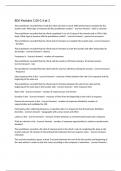
BDS Modules C.00-C.4 pt 2
The practitioner recorded that it took the client 10 trials to reach 100% performance standard for the
laundry task. What type of measure did the practitioner coolect? - (correct Answer) - trails to criterion

The practitioner recorded that the client completed 9 out of 10 steps of the laundry task or 90% of the
steps. What type of measure did the practitioner collect? - (correct Answer) - percent of occurence

The practitioner recorded that the client took 10 minutes to complete the laundry task - (correct Answer)
- duration

The practitioner recorded that the client took 10 minutes to start the laundry task after being asked to
do laundry. - (correct Answer) - latency

Frequency is - (correct Answer) - number of responses

The practitioner recorded that the client said the word no 100 times during a 10 minute session -
(correct Answer) - rate

the practitioner recorded that the client said the word no 100 times during the session - (correct Answer)
- frequency

inter-response time is the - (correct Answer) - measure of time between the end of on response and the
beginning of the next one

The practitioner recorded that the client took 10 minutes between the end of one step and the
beginning of the next step in the laundry task - (correct Answer) - inter-response time

Rate is the - (correct Answer) - number of responses per unit of time

Duration is the - (correct Answer) - measure of time from the beginning to the end of a response

Percent of occurrence is the - (correct Answer) - number of responses divided by number of
opportunities and multiplied by 100

Particularly when collecting frequency or duration data, it is important that the behavior definition
describes - (correct Answer) - topography with a clean onset and offset

Latency is the - (correct Answer) - measure of time between an environmental event and a response

Trials to criterion is the - (correct Answer) - number of response opportunities to achieve a performance
standard

The practitioner recorded a X2 ratio of improvement in the client's rate of completing the steps in the
laundry task per 10 minutes of instructional time between the two response rates. - (correct Answer) -
celeration

The musician needed to pause at least 5 seconds between the end of the first section and beginning of
the next section in order to play the music according to the composer's instruction. - (correct Answer) -

, inter-response time

a child engages in a low occurrence of aggression in the classroom. If we reported instances of
aggression based on a weekly timeframe, which measure would we use? - (correct Answer) - frequency

The student needed to write 10 words per minute in order to complete the writing assignment by the
deadline - (correct Answer) - rate

the martial arts student needed to remain in horse stance for 10 minutes in order to pass his belt test -
(correct Answer) - duration

the martial arts instructor wanted to decrease the number of trials it took his student to perform a
technique correctly - (correct Answer) - trials to criterion

the martial arts student needed to perform 70% of the techniques correctly in order to pass his belt test
- (correct Answer) - percent of occurrence

the martial arts student needed to block within one second after the instructor threw a punch in order
to keep from getting injured - (correct Answer) - latency

the musician needed to play the piece at 60 notes per minutes in order to play the music according to
the composer's instructions - (correct Answer) - rate

the martial arts instructor wanted to find a teaching procedure that produced most improvement in the
student's rate of blocking punches per amount of teaching time - (correct Answer) - celeration

which would NOT be a helpful component to a definition of aggression - (correct Answer) - results in the
victim crying

which would NOT be a helpful component to a definition of head banging? - (correct Answer) - head
banging occurs when the client has an ear infection

which best characterizes a functional definition of "teasing" - (correct Answer) - any occurrence

which is best included in an operational definition? - (correct Answer) - swallows a teaspoon of food

a topographical definition of a behavior is one that is written in terms of - (correct Answer) - the
movements that compromise the behavior

completeness in an operational definition of head hitting is exemplified by: - (correct Answer) - blows
with hand or fist to head

which is the clearest operational definition of a pica attempt? - (correct Answer) - places a nonfood item
in the mouth or moves it toward the mouth; does not ingest

objectively in an operational definition refers to - (correct Answer) - observable characteristics of the
behavior or environment

which best characterizes a topographical definition of "teasing"? - (correct Answer) - pulling on the back
of the hair and calling "four-eyes"


Document information

Uploaded on
August 14, 2025
Number of pages
9
Written in
2025/2026
Type
Exam (elaborations)
Contains
Questions & answers
$14.99

Wrong document? Swap it for free Within 14 days of purchase and before downloading, you can choose a different document. You can simply spend the amount again.
Written by students who passed
Immediately available after payment
Read online or as PDF

Sold
1
Followers
1
Items
758
Last sold
8 months ago


Why students choose Stuvia

Created by fellow students, verified by reviews

Quality you can trust: written by students who passed their tests and reviewed by others who've used these notes.

Didn't get what you expected? Choose another document

No worries! You can instantly pick a different document that better fits what you're looking for.

Pay as you like, start learning right away

No subscription, no commitments. Pay the way you're used to via credit card and download your PDF document instantly.

Student with book image

“Bought, downloaded, and aced it. It really can be that simple.”

Alisha Student

Working on your references?

Create accurate citations in APA, MLA and Harvard with our free citation generator.

Working on your references?

Frequently asked questions
