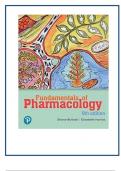
, Complete Table of Contents
SECTION I: Introduction to Sociocultural Aspects, Law, and Ethics
Chapter 1: Sociocultural Aspects
– Medicine advertising and media influences
– Over-the-counter (OTC) preparations
– Generic vs proprietary medicines
– Medicine use in older individuals
– Cultural and linguistic differences
– Indigenous perspectives on medicine therapy
Chapter 2: Health Professionals and the Law
– Legislative controls on medicines
– Australian and New Zealand medicine controls
– Common law: unclear, telephone, standing orders
– Emergency situations and nurse practitioners
– Midwifery and remote area care
Chapter 3: Ethical Issues in Health Care
– Six principles: veracity, autonomy, non-maleficence, etc.
– Ethical situations in pharmacology
– Professional responsibilities
SECTION II: Medicine Administration and Professional Responsibilities
Chapter 4: Formulations, Storage, Routes
– Formulations and stability
– Routes of administration
– First-pass effect
Chapter 5: Clinical Decision-Making
– Clinical assessment
– Medicine selection
– Patient factors
Chapter 6: Administration and Documentation
– Administration techniques
– Documentation standards
– Responsibilities
Chapter 7: Medication Errors
– Types and causes
– Prevention strategies
– Reporting and management
,SECTION III: General Aspects of Pharmacology
Chapter 8: Drug Nomenclature
– Generic, brand, chemical names
– Classification systems
Chapter 9: Pharmacokinetics
– ADME process
– Bioavailability and half-life
Chapter 10: Pharmacodynamics
– Drug-receptor interactions
– Dose-response, agonists
Chapter 11: Pharmacogenetics
– Genetic factors
– Pharmacogenomic testing
Chapter 12: Drug Interactions
– Pharmacokinetic & dynamic
– Drug-food interactions
Chapter 13: Pharmacokinetic Modifiers
– Age, disease, environment
Chapter 14: Pediatric & Geriatric Pharmacology
– Developmental and dosing issues
SECTION IV: Toxicology
Chapter 15: Poisoning & Envenomation
Chapter 16: Acute Overdose
Chapter 17: Substances of Abuse
Chapter 18: Medicine Safety
SECTION V: Autonomic Pharmacology
Chapter 19: Neuropharmacology Overview
Chapter 20: Adrenergic Pharmacology
Chapter 21: Cholinergic Pharmacology
SECTION VI: Neuropharmacology
Chapter 22: Antipsychotic Agents
Chapter 23: Anxiolytics & Hypnotics
Chapter 24: Antidepressants & Mood Stabilisers
Chapter 25: Neurodegenerative Disorders
Chapter 26: Antiseizure Agents & Muscle Relaxants
Chapter 27: CNS Stimulants
, SECTION VII: Pain and Anaesthesia
Chapter 28: Analgesics
Chapter 29: Migraine & Headaches
Chapter 30: General Anaesthesia
Chapter 31: Local Anaesthesia
SECTION VIII: Inflammation, Immunity and Cancer
Chapter 32: Anti-inflammatory Agents
Chapter 33: Antigout Medicines
Chapter 34: Antihistamines
Chapter 35: Immunomodulators
Chapter 36: Cancer Chemotherapy
SECTION IX: Cardiovascular and Respiratory Pharmacology
Chapter 37: Dyslipidaemia
Chapter 38: Antihypertensives
Chapter 39: Antianginals
Chapter 40: Anticoagulants and Thrombolytics
Chapter 41: Diuretics & Renal Drugs
Chapter 42: Heart Failure
Chapter 43: Antidysrhythmics
Chapter 44: Fluid & Electrolyte Imbalance
Chapter 45: Anti-anaemic Agents
Chapter 46: Respiratory Medicines (Asthma, COPD)
SECTION X: Modulation of Gastrointestinal Function
Chapter 47: Cold & Allergy Medicines
Chapter 48: Gastrointestinal Drugs
Chapter 49: Antiemetics
Chapter 50: Nutrition (Enteral/Parenteral)
SECTION XI: Endocrine and Metabolic Pharmacology
Chapter 51: Pituitary Conditions
Chapter 52: Thyroid Conditions
Chapter 53: Diabetes Management
Chapter 54: Adrenal Disorders
Chapter 55: Gonadal Hormones
Chapter 56: Bone Disorders
Chapter 57: Obesity Management
SECTION I: Introduction to Sociocultural Aspects, Law, and Ethics
Chapter 1: Sociocultural Aspects
– Medicine advertising and media influences
– Over-the-counter (OTC) preparations
– Generic vs proprietary medicines
– Medicine use in older individuals
– Cultural and linguistic differences
– Indigenous perspectives on medicine therapy
Chapter 2: Health Professionals and the Law
– Legislative controls on medicines
– Australian and New Zealand medicine controls
– Common law: unclear, telephone, standing orders
– Emergency situations and nurse practitioners
– Midwifery and remote area care
Chapter 3: Ethical Issues in Health Care
– Six principles: veracity, autonomy, non-maleficence, etc.
– Ethical situations in pharmacology
– Professional responsibilities
SECTION II: Medicine Administration and Professional Responsibilities
Chapter 4: Formulations, Storage, Routes
– Formulations and stability
– Routes of administration
– First-pass effect
Chapter 5: Clinical Decision-Making
– Clinical assessment
– Medicine selection
– Patient factors
Chapter 6: Administration and Documentation
– Administration techniques
– Documentation standards
– Responsibilities
Chapter 7: Medication Errors
– Types and causes
– Prevention strategies
– Reporting and management
,SECTION III: General Aspects of Pharmacology
Chapter 8: Drug Nomenclature
– Generic, brand, chemical names
– Classification systems
Chapter 9: Pharmacokinetics
– ADME process
– Bioavailability and half-life
Chapter 10: Pharmacodynamics
– Drug-receptor interactions
– Dose-response, agonists
Chapter 11: Pharmacogenetics
– Genetic factors
– Pharmacogenomic testing
Chapter 12: Drug Interactions
– Pharmacokinetic & dynamic
– Drug-food interactions
Chapter 13: Pharmacokinetic Modifiers
– Age, disease, environment
Chapter 14: Pediatric & Geriatric Pharmacology
– Developmental and dosing issues
SECTION IV: Toxicology
Chapter 15: Poisoning & Envenomation
Chapter 16: Acute Overdose
Chapter 17: Substances of Abuse
Chapter 18: Medicine Safety
SECTION V: Autonomic Pharmacology
Chapter 19: Neuropharmacology Overview
Chapter 20: Adrenergic Pharmacology
Chapter 21: Cholinergic Pharmacology
SECTION VI: Neuropharmacology
Chapter 22: Antipsychotic Agents
Chapter 23: Anxiolytics & Hypnotics
Chapter 24: Antidepressants & Mood Stabilisers
Chapter 25: Neurodegenerative Disorders
Chapter 26: Antiseizure Agents & Muscle Relaxants
Chapter 27: CNS Stimulants
, SECTION VII: Pain and Anaesthesia
Chapter 28: Analgesics
Chapter 29: Migraine & Headaches
Chapter 30: General Anaesthesia
Chapter 31: Local Anaesthesia
SECTION VIII: Inflammation, Immunity and Cancer
Chapter 32: Anti-inflammatory Agents
Chapter 33: Antigout Medicines
Chapter 34: Antihistamines
Chapter 35: Immunomodulators
Chapter 36: Cancer Chemotherapy
SECTION IX: Cardiovascular and Respiratory Pharmacology
Chapter 37: Dyslipidaemia
Chapter 38: Antihypertensives
Chapter 39: Antianginals
Chapter 40: Anticoagulants and Thrombolytics
Chapter 41: Diuretics & Renal Drugs
Chapter 42: Heart Failure
Chapter 43: Antidysrhythmics
Chapter 44: Fluid & Electrolyte Imbalance
Chapter 45: Anti-anaemic Agents
Chapter 46: Respiratory Medicines (Asthma, COPD)
SECTION X: Modulation of Gastrointestinal Function
Chapter 47: Cold & Allergy Medicines
Chapter 48: Gastrointestinal Drugs
Chapter 49: Antiemetics
Chapter 50: Nutrition (Enteral/Parenteral)
SECTION XI: Endocrine and Metabolic Pharmacology
Chapter 51: Pituitary Conditions
Chapter 52: Thyroid Conditions
Chapter 53: Diabetes Management
Chapter 54: Adrenal Disorders
Chapter 55: Gonadal Hormones
Chapter 56: Bone Disorders
Chapter 57: Obesity Management