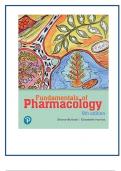
, Complete Table of Contents
SECTION I: Introduction to Sociocultural Aspects, Law, and Ethics
Chapter 1: Sociocultural Aspects
– Medicine advertising and media influences
– Over-the-counter (OTC) preparations
– Generic vs proprietary medicines
– Medicine use in older individuals
– Cultural and linguistic differences
– Indigenous perspectives on medicine therapy
Chapter 2: Health Professionals and the Law
– Legislative controls on medicines
– Australian and New Zealand medicine controls
– Common law: unclear, telephone, standing orders
– Emergency situations and nurse practitioners
– Midwifery and remote area care
Chapter 3: Ethical Issues in Health Care
– Six principles: veracity, autonomy, non-maleficence, etc.
– Ethical situations in pharmacology
– Professional responsibilities
SECTION II: Medicine Administration and Professional Responsibilities
Chapter 4: Formulations, Storage, Routes
– Formulations and stability
– Routes of administration
– First-pass effect
Chapter 5: Clinical Decision-Making
– Clinical assessment
– Medicine selection
– Patient factors
Chapter 6: Administration and Documentation
– Administration techniques
– Documentation standards
– Responsibilities
Chapter 7: Medication Errors
– Types and causes
– Prevention strategies
– Reporting and management
,SECTION III: General Aspects of Pharmacology
Chapter 8: Drug Nomenclature
– Generic, brand, chemical names
– Classification systems
Chapter 9: Pharmacokinetics
– ADME process
– Bioavailability and half-life
Chapter 10: Pharmacodynamics
– Drug-receptor interactions
– Dose-response, agonists
Chapter 11: Pharmacogenetics
– Genetic factors
– Pharmacogenomic testing
Chapter 12: Drug Interactions
– Pharmacokinetic & dynamic
– Drug-food interactions
Chapter 13: Pharmacokinetic Modifiers
– Age, disease, environment
Chapter 14: Pediatric & Geriatric Pharmacology
– Developmental and dosing issues
SECTION IV: Toxicology
Chapter 15: Poisoning & Envenomation
Chapter 16: Acute Overdose
Chapter 17: Substances of Abuse
Chapter 18: Medicine Safety
SECTION V: Autonomic Pharmacology
Chapter 19: Neuropharmacology Overview
Chapter 20: Adrenergic Pharmacology
Chapter 21: Cholinergic Pharmacology
SECTION VI: Neuropharmacology
Chapter 22: Antipsychotic Agents
Chapter 23: Anxiolytics & Hypnotics
Chapter 24: Antidepressants & Mood Stabilisers
Chapter 25: Neurodegenerative Disorders
Chapter 26: Antiseizure Agents & Muscle Relaxants
Chapter 27: CNS Stimulants
,SECTION VII: Pain and Anaesthesia
Chapter 28: Analgesics
Chapter 29: Migraine & Headaches
Chapter 30: General Anaesthesia
Chapter 31: Local Anaesthesia
SECTION VIII: Inflammation, Immunity and Cancer
Chapter 32: Anti-inflammatory Agents
Chapter 33: Antigout Medicines
Chapter 34: Antihistamines
Chapter 35: Immunomodulators
Chapter 36: Cancer Chemotherapy
SECTION IX: Cardiovascular and Respiratory Pharmacology
Chapter 37: Dyslipidaemia
Chapter 38: Antihypertensives
Chapter 39: Antianginals
Chapter 40: Anticoagulants and Thrombolytics
Chapter 41: Diuretics & Renal Drugs
Chapter 42: Heart Failure
Chapter 43: Antidysrhythmics
Chapter 44: Fluid & Electrolyte Imbalance
Chapter 45: Anti-anaemic Agents
Chapter 46: Respiratory Medicines (Asthma, COPD)
SECTION X: Modulation of Gastrointestinal Function
Chapter 47: Cold & Allergy Medicines
Chapter 48: Gastrointestinal Drugs
Chapter 49: Antiemetics
Chapter 50: Nutrition (Enteral/Parenteral)
SECTION XI: Endocrine and Metabolic Pharmacology
Chapter 51: Pituitary Conditions
Chapter 52: Thyroid Conditions
Chapter 53: Diabetes Management
Chapter 54: Adrenal Disorders
Chapter 55: Gonadal Hormones
Chapter 56: Bone Disorders
Chapter 57: Obesity Management
,SECTION XII: Antimicrobial Pharmacology
Chapter 58: Intro to Antimicrobials
Chapter 59: Antibacterial Agents
Chapter 60: TB and Leprosy Agents
Chapter 61: Antiseptics & Disinfectants
Chapter 62: Antiparasitic Agents
Chapter 63: Antivirals
Chapter 64: Antifungals
SECTION XIII: Special Topics in Pharmacology
Chapter 65: Skin Conditions
Chapter 66: Ophthalmic Medicines
Chapter 67: Herbal Medicines
,Chapter 1
When a pharmaceutical company uses emotional appeals
and celebrity endorsements in television commercials to
promote a new prescription drug, this most directly
exemplifies which sociocultural factor influencing
medicine use?
Correct answer: Medicine advertising and media
influences
Rationale: Celebrity endorsements and emotional
messaging shape patients’ perceptions and demands for
medications, reflecting how media strategies drive
sociocultural expectations around drug efficacy.
An analysis of social media campaigns reveals increased
public interest in a branded medication despite limited
clinical advantage over existing treatments. This illustrates
the impact of which phenomenon?
Correct answer: Medicine advertising and media
influences
Rationale: Social media marketing can create hype that
outweighs evidence-based decision‑making, showing how
media framing affects prescribing trends and patient
requests.
,A patient reports deciding to request a specific antibiotic
because they saw an online banner proclaiming it “the
fastest cure.” This behavior is best described as a result of:
Correct answer: Medicine advertising and media
influences
Rationale: Online promotional content can mislead
consumers into equating speed of relief with overall
benefit, highlighting media’s role in shaping erroneous
beliefs about medicine.
Public service announcements on television advising
against antibiotic misuse aim to counteract which
sociocultural challenge?
Correct answer: Medicine advertising and media
influences
Rationale: Educational campaigns seek to rebalance
commercial messaging by providing evidence‑based
guidance, mitigating the effects of profit‑driven
advertising.
A retail pharmacist recommends an antigen test kit to a
patient without prescription. This scenario exemplifies
which category of medication?
Correct answer: Over‑the‑counter (OTC) preparations
,Rationale: OTC products are selected by consumers or
pharmacists for minor self‑limiting conditions, reflecting
the sociocultural shift toward self‑care and accessibility.
The availability of low‑dose aspirin for headache relief
without a doctor’s order is an example of:
Correct answer: Over‑the‑counter (OTC) preparations
Rationale: Aspirin’s OTC status empowers patients to
self‑manage common ailments, illustrating sociocultural
norms around autonomy in health decisions.
Community education programs on proper use of OTC cold
remedies address which key sociocultural concern?
Correct answer: Over‑the‑counter (OTC) preparations
Rationale: Such programs recognize that ease of access
can lead to misuse, so they target cultural habits and
health literacy to promote safe self‑medication.
A patient chooses an antacid at the pharmacy based on
familiar branding rather than clinical ingredients. This
decision underscores what aspect of OTC use?
Correct answer: Over‑the‑counter (OTC) preparations
,Rationale: Brand recognition influences consumer trust
more than pharmacologic knowledge, highlighting
sociocultural factors in OTC selection.
A nurse explains to a patient that the active ingredient in
their prescription brand-name drug is chemically identical
to a less expensive alternative. This distinction addresses
which issue?
Correct answer: Generic vs. proprietary medicines
Rationale: Clarifying chemical equivalence combats
misconceptions rooted in branding, acknowledging how
sociocultural beliefs can inflate perceived value.
When health campaigns promote generic statins to reduce
drug costs nationwide, they are targeting which
sociocultural driver of medicine use?
Correct answer: Generic vs. proprietary medicines
Rationale: Encouraging generics leverages economic
pressures and cultural attitudes toward frugality to
improve adherence and access.
A patient refuses to switch from a branded inhaler to its
generic version, citing concerns about efficacy. This
behavior illustrates sociocultural barriers related to:
, Correct answer: Generic vs. proprietary medicines
Rationale: Brand loyalty and perceived quality differences
are sociocultural constructs that can hinder acceptance of
cost‑effective generics.
Educational materials comparing side‑effect profiles of
generic and brand drugs aim to influence which
sociocultural perception?
Correct answer: Generic vs. proprietary medicines
Rationale: Providing evidence normalizes generics by
addressing fears and cultural biases about medication
quality.
An 80‑year‑old patient experiences polypharmacy issues
due to multiple specialists prescribing different
medications. This scenario highlights challenges in:
Correct answer: Medicine use in older individuals
Rationale: Sociocultural factors such as fragmented care
and older adults’ trust in authority contribute to
medication overload and increased risk of adverse
interactions.
SECTION I: Introduction to Sociocultural Aspects, Law, and Ethics
Chapter 1: Sociocultural Aspects
– Medicine advertising and media influences
– Over-the-counter (OTC) preparations
– Generic vs proprietary medicines
– Medicine use in older individuals
– Cultural and linguistic differences
– Indigenous perspectives on medicine therapy
Chapter 2: Health Professionals and the Law
– Legislative controls on medicines
– Australian and New Zealand medicine controls
– Common law: unclear, telephone, standing orders
– Emergency situations and nurse practitioners
– Midwifery and remote area care
Chapter 3: Ethical Issues in Health Care
– Six principles: veracity, autonomy, non-maleficence, etc.
– Ethical situations in pharmacology
– Professional responsibilities
SECTION II: Medicine Administration and Professional Responsibilities
Chapter 4: Formulations, Storage, Routes
– Formulations and stability
– Routes of administration
– First-pass effect
Chapter 5: Clinical Decision-Making
– Clinical assessment
– Medicine selection
– Patient factors
Chapter 6: Administration and Documentation
– Administration techniques
– Documentation standards
– Responsibilities
Chapter 7: Medication Errors
– Types and causes
– Prevention strategies
– Reporting and management
,SECTION III: General Aspects of Pharmacology
Chapter 8: Drug Nomenclature
– Generic, brand, chemical names
– Classification systems
Chapter 9: Pharmacokinetics
– ADME process
– Bioavailability and half-life
Chapter 10: Pharmacodynamics
– Drug-receptor interactions
– Dose-response, agonists
Chapter 11: Pharmacogenetics
– Genetic factors
– Pharmacogenomic testing
Chapter 12: Drug Interactions
– Pharmacokinetic & dynamic
– Drug-food interactions
Chapter 13: Pharmacokinetic Modifiers
– Age, disease, environment
Chapter 14: Pediatric & Geriatric Pharmacology
– Developmental and dosing issues
SECTION IV: Toxicology
Chapter 15: Poisoning & Envenomation
Chapter 16: Acute Overdose
Chapter 17: Substances of Abuse
Chapter 18: Medicine Safety
SECTION V: Autonomic Pharmacology
Chapter 19: Neuropharmacology Overview
Chapter 20: Adrenergic Pharmacology
Chapter 21: Cholinergic Pharmacology
SECTION VI: Neuropharmacology
Chapter 22: Antipsychotic Agents
Chapter 23: Anxiolytics & Hypnotics
Chapter 24: Antidepressants & Mood Stabilisers
Chapter 25: Neurodegenerative Disorders
Chapter 26: Antiseizure Agents & Muscle Relaxants
Chapter 27: CNS Stimulants
,SECTION VII: Pain and Anaesthesia
Chapter 28: Analgesics
Chapter 29: Migraine & Headaches
Chapter 30: General Anaesthesia
Chapter 31: Local Anaesthesia
SECTION VIII: Inflammation, Immunity and Cancer
Chapter 32: Anti-inflammatory Agents
Chapter 33: Antigout Medicines
Chapter 34: Antihistamines
Chapter 35: Immunomodulators
Chapter 36: Cancer Chemotherapy
SECTION IX: Cardiovascular and Respiratory Pharmacology
Chapter 37: Dyslipidaemia
Chapter 38: Antihypertensives
Chapter 39: Antianginals
Chapter 40: Anticoagulants and Thrombolytics
Chapter 41: Diuretics & Renal Drugs
Chapter 42: Heart Failure
Chapter 43: Antidysrhythmics
Chapter 44: Fluid & Electrolyte Imbalance
Chapter 45: Anti-anaemic Agents
Chapter 46: Respiratory Medicines (Asthma, COPD)
SECTION X: Modulation of Gastrointestinal Function
Chapter 47: Cold & Allergy Medicines
Chapter 48: Gastrointestinal Drugs
Chapter 49: Antiemetics
Chapter 50: Nutrition (Enteral/Parenteral)
SECTION XI: Endocrine and Metabolic Pharmacology
Chapter 51: Pituitary Conditions
Chapter 52: Thyroid Conditions
Chapter 53: Diabetes Management
Chapter 54: Adrenal Disorders
Chapter 55: Gonadal Hormones
Chapter 56: Bone Disorders
Chapter 57: Obesity Management
,SECTION XII: Antimicrobial Pharmacology
Chapter 58: Intro to Antimicrobials
Chapter 59: Antibacterial Agents
Chapter 60: TB and Leprosy Agents
Chapter 61: Antiseptics & Disinfectants
Chapter 62: Antiparasitic Agents
Chapter 63: Antivirals
Chapter 64: Antifungals
SECTION XIII: Special Topics in Pharmacology
Chapter 65: Skin Conditions
Chapter 66: Ophthalmic Medicines
Chapter 67: Herbal Medicines
,Chapter 1
When a pharmaceutical company uses emotional appeals
and celebrity endorsements in television commercials to
promote a new prescription drug, this most directly
exemplifies which sociocultural factor influencing
medicine use?
Correct answer: Medicine advertising and media
influences
Rationale: Celebrity endorsements and emotional
messaging shape patients’ perceptions and demands for
medications, reflecting how media strategies drive
sociocultural expectations around drug efficacy.
An analysis of social media campaigns reveals increased
public interest in a branded medication despite limited
clinical advantage over existing treatments. This illustrates
the impact of which phenomenon?
Correct answer: Medicine advertising and media
influences
Rationale: Social media marketing can create hype that
outweighs evidence-based decision‑making, showing how
media framing affects prescribing trends and patient
requests.
,A patient reports deciding to request a specific antibiotic
because they saw an online banner proclaiming it “the
fastest cure.” This behavior is best described as a result of:
Correct answer: Medicine advertising and media
influences
Rationale: Online promotional content can mislead
consumers into equating speed of relief with overall
benefit, highlighting media’s role in shaping erroneous
beliefs about medicine.
Public service announcements on television advising
against antibiotic misuse aim to counteract which
sociocultural challenge?
Correct answer: Medicine advertising and media
influences
Rationale: Educational campaigns seek to rebalance
commercial messaging by providing evidence‑based
guidance, mitigating the effects of profit‑driven
advertising.
A retail pharmacist recommends an antigen test kit to a
patient without prescription. This scenario exemplifies
which category of medication?
Correct answer: Over‑the‑counter (OTC) preparations
,Rationale: OTC products are selected by consumers or
pharmacists for minor self‑limiting conditions, reflecting
the sociocultural shift toward self‑care and accessibility.
The availability of low‑dose aspirin for headache relief
without a doctor’s order is an example of:
Correct answer: Over‑the‑counter (OTC) preparations
Rationale: Aspirin’s OTC status empowers patients to
self‑manage common ailments, illustrating sociocultural
norms around autonomy in health decisions.
Community education programs on proper use of OTC cold
remedies address which key sociocultural concern?
Correct answer: Over‑the‑counter (OTC) preparations
Rationale: Such programs recognize that ease of access
can lead to misuse, so they target cultural habits and
health literacy to promote safe self‑medication.
A patient chooses an antacid at the pharmacy based on
familiar branding rather than clinical ingredients. This
decision underscores what aspect of OTC use?
Correct answer: Over‑the‑counter (OTC) preparations
,Rationale: Brand recognition influences consumer trust
more than pharmacologic knowledge, highlighting
sociocultural factors in OTC selection.
A nurse explains to a patient that the active ingredient in
their prescription brand-name drug is chemically identical
to a less expensive alternative. This distinction addresses
which issue?
Correct answer: Generic vs. proprietary medicines
Rationale: Clarifying chemical equivalence combats
misconceptions rooted in branding, acknowledging how
sociocultural beliefs can inflate perceived value.
When health campaigns promote generic statins to reduce
drug costs nationwide, they are targeting which
sociocultural driver of medicine use?
Correct answer: Generic vs. proprietary medicines
Rationale: Encouraging generics leverages economic
pressures and cultural attitudes toward frugality to
improve adherence and access.
A patient refuses to switch from a branded inhaler to its
generic version, citing concerns about efficacy. This
behavior illustrates sociocultural barriers related to:
, Correct answer: Generic vs. proprietary medicines
Rationale: Brand loyalty and perceived quality differences
are sociocultural constructs that can hinder acceptance of
cost‑effective generics.
Educational materials comparing side‑effect profiles of
generic and brand drugs aim to influence which
sociocultural perception?
Correct answer: Generic vs. proprietary medicines
Rationale: Providing evidence normalizes generics by
addressing fears and cultural biases about medication
quality.
An 80‑year‑old patient experiences polypharmacy issues
due to multiple specialists prescribing different
medications. This scenario highlights challenges in:
Correct answer: Medicine use in older individuals
Rationale: Sociocultural factors such as fragmented care
and older adults’ trust in authority contribute to
medication overload and increased risk of adverse
interactions.