
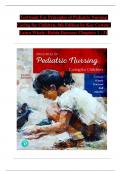
Test bank For Principles of Pediatric Nursing
Caring for Children, 8th Edition by Kay Cowen;
Laura Wisely; Robin Dawson; Chapters 1 - 31
,
,Principles of Pediatric Nursing: Caring for Children, 8e Jane W. Ball (et al.) Test Bank
KO KO KO KO KO KO KO KO KO KO KO KO KO KO
Table of contents
KO KO
Chapter 1: Nurse's Role in Care of the Child: Hospital, Community, and Home
KO KO KO KO KO KO KO KO KO KO KO KO
Chapter 2: Family-Centered Care and Cultural Considerations
KO KO KO KO KO KO
Chapter 3: Genetic and Genomic Influences
KO KO KO KO KO
Chapter 4: Growth and Development
KO KO KO KO
Chapter 5: Pediatric Assessment
KO KO KO
Chapter 6: Introduction to Health Promotion and Maintenance
KO KO KO KO KO KO KO
Chapter 7: Health Promotion and Maintenance for the Newborn and Infant
KO KO KO KO KO KO KO KO KO KO
Chapter 8: Health Promotion and Maintenance for the Toddler and Preschooler
KO KO KO KO KO KO KO KO KO KO
Chapter 9: Health Promotion and Maintenance for the School-Age Child and Adolescent
KO KO KO KO KO KO KO KO KO KO KO
Chapter 10: Nursing Considerations for the Child in the Community
KO KO KO KO KO KO KO KO KO
Chapter 11: Nursing Considerations for the Hospitalized Child
KO KO KO KO KO KO KO
Chapter 12: The Child with a Chronic Condition
KO KO KO KO KO KO KO
Chapter 13: The Child with a Life-Threatening Condition and End-of-Life Care
KO KO KO KO KO KO KO KO KO KO
Chapter 14: Infant, Child, and Adolescent Nutrition
KO KO KO KO KO KO
Chapter 15: Pain Assessment and Management in Children
KO KO KO KO KO KO KO
Chapter 16: Immunizations and Communicable Diseases
KO KO KO KO KO
Chapter 17: Social and Environmental Influences on the Child
KO KO KO KO KO KO KO KO
Chapter 18: Alterations in Fluid, Electrolyte, and Acid–Base Balance
KO KO KO KO KO KO KO KO
Chapter 19: Alterations in Eye, Ear, Nose, and Throat Function
KO KO KO KO KO KO KO KO KO
Chapter 20: Alterations in Respiratory Function
KO KO KO KO KO
Chapter 21: Alterations in Cardiovascular Function
KO KO KO KO KO
Chapter 22: Alterations in Immune Function
KO KO KO KO KO
Chapter 23: Alterations in Hematologic Function
KO KO KO KO KO
Chapter 24: The Child with Cancer
KO KO KO KO KO
Chapter 25: Alterations in Gastrointestinal Function
KO KO KO KO KO
Chapter 26: Alterations in Genitourinary Function
KO KO KO KO KO
Chapter 27: Alterations in Neurologic Function
KO KO KO KO KO
Chapter 28: Alterations in Mental Health and Cognition
KO KO KO KO KO KO KO
Chapter 29: Alterations in Musculoskeletal Function
KO KO KO KO KO
Chapter 30: Alterations in Endocrine and Metabolic Function
KO KO KO KO KO KO KO
Chapter 31: Alterations in Skin Integrity
KO KO KO KO KO
, Principles of Pediatric Nursing: Caring for Children, 8e Jane W. Ball (et al.) Chapter
KO KO KO KO KO KO KO KO KO KO KO KO KO KO
1: Nurse's Role in Care of the Child: Hospital, Community, and Home
K O KO KO KO KO KO KO KO KO KO KO
1) Which nursing role is not directly involved when providing family-
KO KO KO KO KO KO KO KO KO
centered approach to the pediatric population?
KO KO KO KO KO
1. Advocacy
2. Case management KO
3. Patient education KO
4. Researcher
ANSWER: 4 K O
Explanation: 1. A researcher is not involved in the family- K O KO KO KO KO KO KO KO KO
centered approach to patient care of children and their families. Advocacy, case management, and p
KO KO KO KO KO KO KO KO KO KO KO KO KO KO
atient education are all roles directly involved in the care of children and their families.
KO KO KO KO KO KO KO KO KO KO KO KO KO KO
2. A researcher is not involved in the family-
KO KO KO KO KO KO KO
centered approach to patient care of children and their families. Advocacy, case management, and p
KO KO KO KO KO KO KO KO KO KO KO KO KO KO
atient education are all roles directly involved in the care of children and their families.
KO KO KO KO KO KO KO KO KO KO KO KO KO KO
3. A researcher is not involved in the family-
KO KO KO KO KO KO KO
centered approach to patient care of children and their families. Advocacy, case management, and p
KO KO KO KO KO KO KO KO KO KO KO KO KO KO
atient education are all roles directly involved in the care of children and their families.
KO KO KO KO KO KO KO KO KO KO KO KO KO KO
4. A researcher is not involved in the family-
KO KO KO KO KO KO KO
centered approach to patient care of children and their families. Advocacy, case management, and p
KO KO KO KO KO KO KO KO KO KO KO KO KO KO
atient education are all roles directly involved in the care of children and their families.
KO KO KO KO KO KO KO KO KO KO KO KO KO KO
Page Ref: 4 KO KO
Cognitive Level: Analyzing KO K O
Client Need &Sub: Safe and Effective Care Environment: Management of Care Standards:
KO KO KO KO KO KO KO KO KO KO KO K O
QSEN Competencies: Patient-centered care | AACN Essential Competencies:
KO KO KO KO KO KO KO
Essential II: Basic organizational and systems leadership for quality care and patient safety | NLN Co
KO KO KO KO KO KO KO KO KO KO KO KO KO KO KO
mpetencies: Professional identity | Nursing/Integrated Concepts: Nursing Process: Assessment/Co
KO KO KO KO KO KO KO KO
ordination of care KO KO
Learning Outcome: LO 1.2 Compare the roles of nurses in child healthcare. MN
KO K O KO KO KO KO KO KO KO KO KO KO
L LO: Family-centered care
KO K O KO
Caring for Children, 8th Edition by Kay Cowen;
Laura Wisely; Robin Dawson; Chapters 1 - 31
,
,Principles of Pediatric Nursing: Caring for Children, 8e Jane W. Ball (et al.) Test Bank
KO KO KO KO KO KO KO KO KO KO KO KO KO KO
Table of contents
KO KO
Chapter 1: Nurse's Role in Care of the Child: Hospital, Community, and Home
KO KO KO KO KO KO KO KO KO KO KO KO
Chapter 2: Family-Centered Care and Cultural Considerations
KO KO KO KO KO KO
Chapter 3: Genetic and Genomic Influences
KO KO KO KO KO
Chapter 4: Growth and Development
KO KO KO KO
Chapter 5: Pediatric Assessment
KO KO KO
Chapter 6: Introduction to Health Promotion and Maintenance
KO KO KO KO KO KO KO
Chapter 7: Health Promotion and Maintenance for the Newborn and Infant
KO KO KO KO KO KO KO KO KO KO
Chapter 8: Health Promotion and Maintenance for the Toddler and Preschooler
KO KO KO KO KO KO KO KO KO KO
Chapter 9: Health Promotion and Maintenance for the School-Age Child and Adolescent
KO KO KO KO KO KO KO KO KO KO KO
Chapter 10: Nursing Considerations for the Child in the Community
KO KO KO KO KO KO KO KO KO
Chapter 11: Nursing Considerations for the Hospitalized Child
KO KO KO KO KO KO KO
Chapter 12: The Child with a Chronic Condition
KO KO KO KO KO KO KO
Chapter 13: The Child with a Life-Threatening Condition and End-of-Life Care
KO KO KO KO KO KO KO KO KO KO
Chapter 14: Infant, Child, and Adolescent Nutrition
KO KO KO KO KO KO
Chapter 15: Pain Assessment and Management in Children
KO KO KO KO KO KO KO
Chapter 16: Immunizations and Communicable Diseases
KO KO KO KO KO
Chapter 17: Social and Environmental Influences on the Child
KO KO KO KO KO KO KO KO
Chapter 18: Alterations in Fluid, Electrolyte, and Acid–Base Balance
KO KO KO KO KO KO KO KO
Chapter 19: Alterations in Eye, Ear, Nose, and Throat Function
KO KO KO KO KO KO KO KO KO
Chapter 20: Alterations in Respiratory Function
KO KO KO KO KO
Chapter 21: Alterations in Cardiovascular Function
KO KO KO KO KO
Chapter 22: Alterations in Immune Function
KO KO KO KO KO
Chapter 23: Alterations in Hematologic Function
KO KO KO KO KO
Chapter 24: The Child with Cancer
KO KO KO KO KO
Chapter 25: Alterations in Gastrointestinal Function
KO KO KO KO KO
Chapter 26: Alterations in Genitourinary Function
KO KO KO KO KO
Chapter 27: Alterations in Neurologic Function
KO KO KO KO KO
Chapter 28: Alterations in Mental Health and Cognition
KO KO KO KO KO KO KO
Chapter 29: Alterations in Musculoskeletal Function
KO KO KO KO KO
Chapter 30: Alterations in Endocrine and Metabolic Function
KO KO KO KO KO KO KO
Chapter 31: Alterations in Skin Integrity
KO KO KO KO KO
, Principles of Pediatric Nursing: Caring for Children, 8e Jane W. Ball (et al.) Chapter
KO KO KO KO KO KO KO KO KO KO KO KO KO KO
1: Nurse's Role in Care of the Child: Hospital, Community, and Home
K O KO KO KO KO KO KO KO KO KO KO
1) Which nursing role is not directly involved when providing family-
KO KO KO KO KO KO KO KO KO
centered approach to the pediatric population?
KO KO KO KO KO
1. Advocacy
2. Case management KO
3. Patient education KO
4. Researcher
ANSWER: 4 K O
Explanation: 1. A researcher is not involved in the family- K O KO KO KO KO KO KO KO KO
centered approach to patient care of children and their families. Advocacy, case management, and p
KO KO KO KO KO KO KO KO KO KO KO KO KO KO
atient education are all roles directly involved in the care of children and their families.
KO KO KO KO KO KO KO KO KO KO KO KO KO KO
2. A researcher is not involved in the family-
KO KO KO KO KO KO KO
centered approach to patient care of children and their families. Advocacy, case management, and p
KO KO KO KO KO KO KO KO KO KO KO KO KO KO
atient education are all roles directly involved in the care of children and their families.
KO KO KO KO KO KO KO KO KO KO KO KO KO KO
3. A researcher is not involved in the family-
KO KO KO KO KO KO KO
centered approach to patient care of children and their families. Advocacy, case management, and p
KO KO KO KO KO KO KO KO KO KO KO KO KO KO
atient education are all roles directly involved in the care of children and their families.
KO KO KO KO KO KO KO KO KO KO KO KO KO KO
4. A researcher is not involved in the family-
KO KO KO KO KO KO KO
centered approach to patient care of children and their families. Advocacy, case management, and p
KO KO KO KO KO KO KO KO KO KO KO KO KO KO
atient education are all roles directly involved in the care of children and their families.
KO KO KO KO KO KO KO KO KO KO KO KO KO KO
Page Ref: 4 KO KO
Cognitive Level: Analyzing KO K O
Client Need &Sub: Safe and Effective Care Environment: Management of Care Standards:
KO KO KO KO KO KO KO KO KO KO KO K O
QSEN Competencies: Patient-centered care | AACN Essential Competencies:
KO KO KO KO KO KO KO
Essential II: Basic organizational and systems leadership for quality care and patient safety | NLN Co
KO KO KO KO KO KO KO KO KO KO KO KO KO KO KO
mpetencies: Professional identity | Nursing/Integrated Concepts: Nursing Process: Assessment/Co
KO KO KO KO KO KO KO KO
ordination of care KO KO
Learning Outcome: LO 1.2 Compare the roles of nurses in child healthcare. MN
KO K O KO KO KO KO KO KO KO KO KO KO
L LO: Family-centered care
KO K O KO



