TEST BANK b
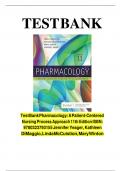
Test Bank Pharmacology: A Patient-Centered
b b b b
Nursing Process Approach 11th Edition ISBN:
b b b b b b
9780323793155 Jennifer Yeager, Kathleen
b b b b
DiMaggio, Linda McCuistion, Mary Winton
b b b b b
, Test Bank Pharmacology: A Patient-Centered Nursing Process Approach 11th Edition ISBN:
b b b b b b b b b b
9780323793155 Jennifer Yeager, Kathleen DiMaggio, Linda McCuistion, Mary Winton
b b b b b b b b b
Table of Content
b b
1. Clinical Judgment Management Model (CJMM) and the Nursing Process
b b b b b b b b b
2. Drug Development and Ethical Considerations
b b b b b
3. Pharmacokinetics and Pharmacodynamics
b b b
4. Pharmacogenetics
b
5. Complementary and Alternative Therapies
b b b b
6. Pediatric Considerations
b b
7. Drug Therapy in Older Adults
b b b b b
8. Drugs in Substance Use Disorder
b b b b b
9. Safety and Quality
b b b
10. Drug Administration
b b
11. Drug Calculations
b b
12. Fluid Volume and Electrolytes
b b b b
13. Vitamin and Mineral Replacement
b b b b
14. Nutritional Support
b b
15. Adrenergic Agonists and Antagonists
b b b b
16. Cholinergic Agonists and Antagonists
b b b b
17. Stimulants
b
18. Depressants
b
19. Antiseizure Drugs
b b
20. Drugs for Parkinsonism and Alzheimer Disease
b b b b b b
21. Drugs for Neuromuscular Disorders and Muscle Spasms
b b b b b b b
22. Antipsychotics and Anxiolytics
b b b
23. Antidepressants and Mood Stabilizers
b b b b
24. Antiinflammatories
b
25. Analgesics
b
26. Penicillins, Other Beta-Lactams, and Cephalosporins
b b b b b
27. Macrolides, Oxazolidinones, Lincosamides, Glycopeptides, Ketolides, and Lipopeptides
b b b b b b b
28. Tetracyclines, Glycylcyclines, Aminoglycosides, and Fluoroquinolones
b b b b b
29. Sulfonamides and Nitroimidazoles Antibiotics
b b b b
30. Antituberculars, Antifungals, and Antivirals
b b b b
31. Antimalarials, Anthelmintics, and Peptides
b b b b
32. HIV- and AIDS-Related Drugs
b b b b
33. Transplant Drugs
b b
34. Vaccines
b
35. Anticancer Drugs
b b
36. Targeted Therapies to Treat Cancer
b b b b b
37. Biologic Response Modifiers
b b b
38. Upper Respiratory Disorders
b b b
,39. Lower Respiratory Disorders
b b b
40. Cardiac Glycosides, Antianginals, and Antidysrhythmics
b b b b b
41. Diuretics
b
42. Antihypertensives
b
43. Anticoagulants, Antiplatelets, and Thrombolytics
b b b b
44. Antihyperlipidemics and Drugs to Improve Peripheral Blood Flow
b b b b b b b b
45. Gastrointestinal Tract Disorders
b b b
46. Antiulcer Drugs
b b
47. Eye and Ear Disorders
b b b b
48. Dermatologic Disorders
b b
49. Pituitary, Thyroid, Parathyroid, and Adrenal Disorders
b b b b b b
50. Antidiabetics
b
51. Urinary Disorders
b b
52. Pregnancy and Preterm Labor
b b b b
53. Labor, Delivery, and Postpartum
b b b b
54. Neonatal and Newborn
b b b
55. Women’s Reproductive Health
b b b
56. Men’s Reproductive Health
b b b
57. Sexually Transmitted Infections
b b b
58. Adult and Pediatric Emergency Drugs
b b b b b
, Chapter 01: The Nursing Process and Patient-Centered Care
b b b b b b b
McCuistion: Pharmacology: A Patient-Centered Nursing Process Approach, 11th Edition
b b b b b b b b
MULTIPLE CHOICE b
1. All of the following would be considered subjective data, EXCEPT:
b b b b b b b b b
a. Patient-reported health history b b
b. Patient-reported signs and symptoms of their illness b b b b b b
c. Financial barriers reported by the patient‘s caregiver b b b b b b
d. Vital signs obtained from the medical record
b b b b b b
ANS: D b
Subjective data is based on what patients or family members communicate to the nurse. Patient-
b b b b b b b b b b b b b b
reported health history, signs and symptoms, and caregiver reported financial barriers would be
b b b b b b b b b b b b b
considered subjective data. Vital signs obtained from the medical record would be considered
b b b b b b b b b b b b b
objective data.
b b
DIF: Cognitive Level: Understanding (Comprehension) b b b TOP: Nursing Process: Planning
b b b
MSC: NCLEX: Management of Client Care
b b b b b b
2. The nurse is using data collected to define a set of interventions to achieve the most desirable
b b b b b b b b b b b b b b b b
boutcomes. Which of the following steps is the nurse applying?
b b b b b b b b b
a. Recognizing cues (assessment) b b
b. Analyze cues & prioritize hypothesis (analysis) b b b b b
c. Generate solutions (planning) b b
d. Take action (nursing interventions)
b b b
ANS: C b
When generating solutions (planning), the nurse identifies expected outcomes and uses the
b b b b b b b b b b b
patient‘s problem(s) to define a set of interventions to achieve the most desirable outcomes.
b b b b b b b b b b b b b b
Recognizing cues (assessment) involves the gathering of cues (information) from the patient
b b b b b b b b b b b b
about their health and lifestyle practices, which are important facts that aid the nurse in making
b b b b b b b b b b b b b b b b
clinical care decisions. Prioritizing hypothesis is used to organize and rank the patient problem(s)
b b b b b b b b b b b b b b
identified. Finally, taking action involves implementation of nursing interventions to accomplish
b b b b b b b b b b b
the expected outcomes.
b b b
DIF: Cognitive Level: Understanding (Comprehension) b b b
TOP: Nursing Process: Nursing Intervention
b b b b b
MSC: NCLEX: Management of Client Care
b b b b b
3. A 5-year-old child with type 1 diabetes mellitus has had repeated hospitalizations for episodes of
b b b b b b b b b b b b b b
hyperglycemia. The parents tell the nurse that they can‘t keep track of everything that has to be
b b b b b b b b b b b b b b b b b
done to care for their child. The nurse reviews medications, diet, and symptom management with
b b b b b b b b b b b b b b b
the parents and draws up a daily checklist for the family to use. These activities are completed in
b b b b b b b b b b b b b b b b b b
which step of the nursing process?
b b b b b b
a. Recognizing cues (assessment) b b
b. Analyze cues & prioritize hypothesis (analysis) b b b b b
Test Bank Pharmacology: A Patient-Centered
b b b b
Nursing Process Approach 11th Edition ISBN:
b b b b b b
9780323793155 Jennifer Yeager, Kathleen
b b b b
DiMaggio, Linda McCuistion, Mary Winton
b b b b b
, Test Bank Pharmacology: A Patient-Centered Nursing Process Approach 11th Edition ISBN:
b b b b b b b b b b
9780323793155 Jennifer Yeager, Kathleen DiMaggio, Linda McCuistion, Mary Winton
b b b b b b b b b
Table of Content
b b
1. Clinical Judgment Management Model (CJMM) and the Nursing Process
b b b b b b b b b
2. Drug Development and Ethical Considerations
b b b b b
3. Pharmacokinetics and Pharmacodynamics
b b b
4. Pharmacogenetics
b
5. Complementary and Alternative Therapies
b b b b
6. Pediatric Considerations
b b
7. Drug Therapy in Older Adults
b b b b b
8. Drugs in Substance Use Disorder
b b b b b
9. Safety and Quality
b b b
10. Drug Administration
b b
11. Drug Calculations
b b
12. Fluid Volume and Electrolytes
b b b b
13. Vitamin and Mineral Replacement
b b b b
14. Nutritional Support
b b
15. Adrenergic Agonists and Antagonists
b b b b
16. Cholinergic Agonists and Antagonists
b b b b
17. Stimulants
b
18. Depressants
b
19. Antiseizure Drugs
b b
20. Drugs for Parkinsonism and Alzheimer Disease
b b b b b b
21. Drugs for Neuromuscular Disorders and Muscle Spasms
b b b b b b b
22. Antipsychotics and Anxiolytics
b b b
23. Antidepressants and Mood Stabilizers
b b b b
24. Antiinflammatories
b
25. Analgesics
b
26. Penicillins, Other Beta-Lactams, and Cephalosporins
b b b b b
27. Macrolides, Oxazolidinones, Lincosamides, Glycopeptides, Ketolides, and Lipopeptides
b b b b b b b
28. Tetracyclines, Glycylcyclines, Aminoglycosides, and Fluoroquinolones
b b b b b
29. Sulfonamides and Nitroimidazoles Antibiotics
b b b b
30. Antituberculars, Antifungals, and Antivirals
b b b b
31. Antimalarials, Anthelmintics, and Peptides
b b b b
32. HIV- and AIDS-Related Drugs
b b b b
33. Transplant Drugs
b b
34. Vaccines
b
35. Anticancer Drugs
b b
36. Targeted Therapies to Treat Cancer
b b b b b
37. Biologic Response Modifiers
b b b
38. Upper Respiratory Disorders
b b b
,39. Lower Respiratory Disorders
b b b
40. Cardiac Glycosides, Antianginals, and Antidysrhythmics
b b b b b
41. Diuretics
b
42. Antihypertensives
b
43. Anticoagulants, Antiplatelets, and Thrombolytics
b b b b
44. Antihyperlipidemics and Drugs to Improve Peripheral Blood Flow
b b b b b b b b
45. Gastrointestinal Tract Disorders
b b b
46. Antiulcer Drugs
b b
47. Eye and Ear Disorders
b b b b
48. Dermatologic Disorders
b b
49. Pituitary, Thyroid, Parathyroid, and Adrenal Disorders
b b b b b b
50. Antidiabetics
b
51. Urinary Disorders
b b
52. Pregnancy and Preterm Labor
b b b b
53. Labor, Delivery, and Postpartum
b b b b
54. Neonatal and Newborn
b b b
55. Women’s Reproductive Health
b b b
56. Men’s Reproductive Health
b b b
57. Sexually Transmitted Infections
b b b
58. Adult and Pediatric Emergency Drugs
b b b b b
, Chapter 01: The Nursing Process and Patient-Centered Care
b b b b b b b
McCuistion: Pharmacology: A Patient-Centered Nursing Process Approach, 11th Edition
b b b b b b b b
MULTIPLE CHOICE b
1. All of the following would be considered subjective data, EXCEPT:
b b b b b b b b b
a. Patient-reported health history b b
b. Patient-reported signs and symptoms of their illness b b b b b b
c. Financial barriers reported by the patient‘s caregiver b b b b b b
d. Vital signs obtained from the medical record
b b b b b b
ANS: D b
Subjective data is based on what patients or family members communicate to the nurse. Patient-
b b b b b b b b b b b b b b
reported health history, signs and symptoms, and caregiver reported financial barriers would be
b b b b b b b b b b b b b
considered subjective data. Vital signs obtained from the medical record would be considered
b b b b b b b b b b b b b
objective data.
b b
DIF: Cognitive Level: Understanding (Comprehension) b b b TOP: Nursing Process: Planning
b b b
MSC: NCLEX: Management of Client Care
b b b b b b
2. The nurse is using data collected to define a set of interventions to achieve the most desirable
b b b b b b b b b b b b b b b b
boutcomes. Which of the following steps is the nurse applying?
b b b b b b b b b
a. Recognizing cues (assessment) b b
b. Analyze cues & prioritize hypothesis (analysis) b b b b b
c. Generate solutions (planning) b b
d. Take action (nursing interventions)
b b b
ANS: C b
When generating solutions (planning), the nurse identifies expected outcomes and uses the
b b b b b b b b b b b
patient‘s problem(s) to define a set of interventions to achieve the most desirable outcomes.
b b b b b b b b b b b b b b
Recognizing cues (assessment) involves the gathering of cues (information) from the patient
b b b b b b b b b b b b
about their health and lifestyle practices, which are important facts that aid the nurse in making
b b b b b b b b b b b b b b b b
clinical care decisions. Prioritizing hypothesis is used to organize and rank the patient problem(s)
b b b b b b b b b b b b b b
identified. Finally, taking action involves implementation of nursing interventions to accomplish
b b b b b b b b b b b
the expected outcomes.
b b b
DIF: Cognitive Level: Understanding (Comprehension) b b b
TOP: Nursing Process: Nursing Intervention
b b b b b
MSC: NCLEX: Management of Client Care
b b b b b
3. A 5-year-old child with type 1 diabetes mellitus has had repeated hospitalizations for episodes of
b b b b b b b b b b b b b b
hyperglycemia. The parents tell the nurse that they can‘t keep track of everything that has to be
b b b b b b b b b b b b b b b b b
done to care for their child. The nurse reviews medications, diet, and symptom management with
b b b b b b b b b b b b b b b
the parents and draws up a daily checklist for the family to use. These activities are completed in
b b b b b b b b b b b b b b b b b b
which step of the nursing process?
b b b b b b
a. Recognizing cues (assessment) b b
b. Analyze cues & prioritize hypothesis (analysis) b b b b b