PiC - Plato’s Apology
Summary of the book:
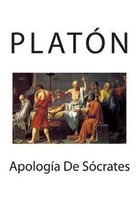
Plato's "Apology" recounts Socrates' defense before the Athenian jury as he addresses
accusations of corrupting the youth and not believing in the city's gods.
Socrates says many people have spoken ill of him over the years to persuade the people of
Athens to distrust him. He explains that unlike the Sophists, Socrates has never accepted
money for his teachings, for he believes he doesn’t possess the “knowledge” necessary to do
such a thing, but that he has “human wisdom.” A friend of his traveled to Delphi and asked
the oracle if there is anyone wiser than Socrates, and the oracle told him there isn’t. To prove
this, Socrates goes around the city talking to poets, craftsmen and other wiser men than
himself. He comes to the conclusion that the apparent wise men thought of themselves as
very knowledgeable when in reality they were ignorant, and since Socrates is aware of his lack
of knowledge (“I know that I do not know”) he is therefore wiser than these men.
Since then, Socrates had been working to spread the Delphic oracle’s message that human
wisdom is “worthless” by unveiling the ignorance of men who are supposedly wise. In doing
so, he gained an unfavorable reputation as impious and philosophically contrarian who had
busied himself studying things in the sky and below the earth and spreading these
problematic ideas throughout Athens. But in truth, he was only working in service of the
Delphic oracle (and, thus, the god Apollo). He later points out the contradiction of Meletus’
accusations in regards to Socrates not believing in gods but teaching “spiritual things”, since
Meletus eventually admits that spirits are “either gods or the children of gods”. Socrates also
challenges Meletus's accusation of corrupting the youth by questioning how is it possible that
according to him, everyone contributes to the improvement of the children but Socrates alone
corrupts them. He then argues that corruption must be unintentional because if he made one
of his associates wicked he runs the risk of being harmed by him, so if he does corrupt, he
suggests that he should be taught to improve rather than be punished.
Socrates calmly accepts the possibility of a death sentence, asserting that fearing death is a
presumption of wisdom. As a result, he’d rather maintain his values and face the possibility of
death, although stating that if they execute him, they’ll be acting immorally. Even more, he
says that he should be rewarded by his service to his fellow Athenians. If the jury acquits him,
he says, he will continue to behave as he always has and maintain his service to god through
his teachings. The jury concludes that Socrates is guilty and sentenced to death. Socrates is
unfazed and asserts that he was convicted because he refused to tell the jury what they
wanted to hear or to debase himself through “lamentations and tears.” Emphasizing the fact
that he has only tried to help his fellow Athenians remain moral, he asks his listeners to make
sure they hold his sons accountable if they ever become greedy or foolish. “I go to die, you go
to live,” he says. “Which of us goes to the better lot is known to no one, except the god.”
Useful words to include:
Dialectic: Socrates' method of philosophical inquiry and discussion. Used to reach the truth.
Virtue: Areté, encompassing the idea of moral excellence or virtue in one's actions.
Sophos: Wisdom, emphasizing practical knowledge and good judgment.
Eudaimonia: Refers to human flourishing or living a fulfilling and virtuous life.
Summary of the book:
Plato's "Apology" recounts Socrates' defense before the Athenian jury as he addresses
accusations of corrupting the youth and not believing in the city's gods.
Socrates says many people have spoken ill of him over the years to persuade the people of
Athens to distrust him. He explains that unlike the Sophists, Socrates has never accepted
money for his teachings, for he believes he doesn’t possess the “knowledge” necessary to do
such a thing, but that he has “human wisdom.” A friend of his traveled to Delphi and asked
the oracle if there is anyone wiser than Socrates, and the oracle told him there isn’t. To prove
this, Socrates goes around the city talking to poets, craftsmen and other wiser men than
himself. He comes to the conclusion that the apparent wise men thought of themselves as
very knowledgeable when in reality they were ignorant, and since Socrates is aware of his lack
of knowledge (“I know that I do not know”) he is therefore wiser than these men.
Since then, Socrates had been working to spread the Delphic oracle’s message that human
wisdom is “worthless” by unveiling the ignorance of men who are supposedly wise. In doing
so, he gained an unfavorable reputation as impious and philosophically contrarian who had
busied himself studying things in the sky and below the earth and spreading these
problematic ideas throughout Athens. But in truth, he was only working in service of the
Delphic oracle (and, thus, the god Apollo). He later points out the contradiction of Meletus’
accusations in regards to Socrates not believing in gods but teaching “spiritual things”, since
Meletus eventually admits that spirits are “either gods or the children of gods”. Socrates also
challenges Meletus's accusation of corrupting the youth by questioning how is it possible that
according to him, everyone contributes to the improvement of the children but Socrates alone
corrupts them. He then argues that corruption must be unintentional because if he made one
of his associates wicked he runs the risk of being harmed by him, so if he does corrupt, he
suggests that he should be taught to improve rather than be punished.
Socrates calmly accepts the possibility of a death sentence, asserting that fearing death is a
presumption of wisdom. As a result, he’d rather maintain his values and face the possibility of
death, although stating that if they execute him, they’ll be acting immorally. Even more, he
says that he should be rewarded by his service to his fellow Athenians. If the jury acquits him,
he says, he will continue to behave as he always has and maintain his service to god through
his teachings. The jury concludes that Socrates is guilty and sentenced to death. Socrates is
unfazed and asserts that he was convicted because he refused to tell the jury what they
wanted to hear or to debase himself through “lamentations and tears.” Emphasizing the fact
that he has only tried to help his fellow Athenians remain moral, he asks his listeners to make
sure they hold his sons accountable if they ever become greedy or foolish. “I go to die, you go
to live,” he says. “Which of us goes to the better lot is known to no one, except the god.”
Useful words to include:
Dialectic: Socrates' method of philosophical inquiry and discussion. Used to reach the truth.
Virtue: Areté, encompassing the idea of moral excellence or virtue in one's actions.
Sophos: Wisdom, emphasizing practical knowledge and good judgment.
Eudaimonia: Refers to human flourishing or living a fulfilling and virtuous life.