

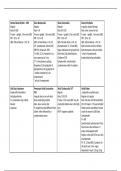
Normal Sinus Rhythm – NSR Sinus Bradycardia Sinus Tachycardia Sinus Arrhythmia
Regular Regular Regular Irregular- gradual change
Rate 60-100 Rate < 60 Rate 101-150 Rate- slow, normal or fast
P wave – upright, 1 for every QRS P wave- upright, 1 for every QRS P wave – upright, 1 for every QRS P wave – upright, 1 for every QRS
PRI- .12 to .20 PRI- .12 to .20 PRI- .12 to .20 PRI- .12 to .20
QRS- tall and skinny, I-.05-.10 QRS- tall and skinny, I-.05-.20 QRS- tall and skinny, I-.05-.10 QRS- tall and skinny, I-.05-.10
S/S- symptomatic, altered LOC, Asymptomatic- IV, 12 lead EKG, Rate increases as the pt inhales
SBP<90, chest pain, SOB Vagal, Adenosine 6 mg (push fast, Rate decreases as the pt exhales
Tx- ABC, O2, IV, Atropine 0.5 g- flush Nacl), Dig, Beta Blockers, *only tx if symptomatic
may repeat up to 3 mg Cardizem-CCB bradycardia during exhalation
2nd- transcuteneous pacing, Symptomatic- synchronized
Dopamine 2-10 mg/kg/min CI cardioversion while IV sedation
Epinephrine 2-10 mg/kg/min CI
*cardiac transport pt- use
Isoproterenol
*only tx if symptomatic
Sick Sinus Syndrome Premature Atrial Contraction- Atrial Tachycardia/ SVT Atrial Flutter
Brady with intermittent PAC Regular (sawtooth or picket fence)
tachydysrythmias Irregular due to an early beat Rate- 150-250 Regular or Irregular
Tx- pacemacker, dig or Beta Know underlying rhythm P wave- 1 for every QRS- may be Rate <60 slow, 60-100 controlled,
blocker Rate- slow, normal, fast constantly hidden due to the high 101-150 rapid, > 150 uncontrolled
Lopressor P- upright may look different from rate Flutter waves resembling P waves
others- often followed by a PSVT- happens suddenly count the waves to QRS ratio
compensatory pause Symptomatic
Tx- ABC
Synchronized cardioversion-if fast
Must be less than 48 hours. If
longer anticoagulant with
heparin, echo and TEE to see clots
Asymptomatic
TX- IV, 12 lead EKG, Cardizem 10-
20 mg IV over 2 min, vagal,
Adenosine 6 mg IV, 12mg, 12mg
Regular Regular Regular Irregular- gradual change
Rate 60-100 Rate < 60 Rate 101-150 Rate- slow, normal or fast
P wave – upright, 1 for every QRS P wave- upright, 1 for every QRS P wave – upright, 1 for every QRS P wave – upright, 1 for every QRS
PRI- .12 to .20 PRI- .12 to .20 PRI- .12 to .20 PRI- .12 to .20
QRS- tall and skinny, I-.05-.10 QRS- tall and skinny, I-.05-.20 QRS- tall and skinny, I-.05-.10 QRS- tall and skinny, I-.05-.10
S/S- symptomatic, altered LOC, Asymptomatic- IV, 12 lead EKG, Rate increases as the pt inhales
SBP<90, chest pain, SOB Vagal, Adenosine 6 mg (push fast, Rate decreases as the pt exhales
Tx- ABC, O2, IV, Atropine 0.5 g- flush Nacl), Dig, Beta Blockers, *only tx if symptomatic
may repeat up to 3 mg Cardizem-CCB bradycardia during exhalation
2nd- transcuteneous pacing, Symptomatic- synchronized
Dopamine 2-10 mg/kg/min CI cardioversion while IV sedation
Epinephrine 2-10 mg/kg/min CI
*cardiac transport pt- use
Isoproterenol
*only tx if symptomatic
Sick Sinus Syndrome Premature Atrial Contraction- Atrial Tachycardia/ SVT Atrial Flutter
Brady with intermittent PAC Regular (sawtooth or picket fence)
tachydysrythmias Irregular due to an early beat Rate- 150-250 Regular or Irregular
Tx- pacemacker, dig or Beta Know underlying rhythm P wave- 1 for every QRS- may be Rate <60 slow, 60-100 controlled,
blocker Rate- slow, normal, fast constantly hidden due to the high 101-150 rapid, > 150 uncontrolled
Lopressor P- upright may look different from rate Flutter waves resembling P waves
others- often followed by a PSVT- happens suddenly count the waves to QRS ratio
compensatory pause Symptomatic
Tx- ABC
Synchronized cardioversion-if fast
Must be less than 48 hours. If
longer anticoagulant with
heparin, echo and TEE to see clots
Asymptomatic
TX- IV, 12 lead EKG, Cardizem 10-
20 mg IV over 2 min, vagal,
Adenosine 6 mg IV, 12mg, 12mg


