
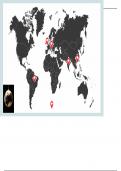
,Shanghai as a World City Challenges
Location: Eastern China, on the East China ● Economic Transition: Shift from manufacturing to service and technology
Sea. industries.
Population: Over 24 million (urban
population). ● Environmental Impact: Air pollution and waste management issues due to
Significance: China’s most populous city rapid industrialization.
and financial hub.
● Global Tensions: Trade tensions (e.g., US-China trade war) affecting
National
Shanghai’s global economic relations.
China’s Financial Capital: Hosts major financial
institutions like the Shanghai Stock Exchange
(SSE).
Key Economic Sectors: Finance, trade,
manufacturing, technology, and transport.
Industrial Powerhouse: Notable for heavy industry
and advanced manufacturing (automobiles, Transport:
electronics, etc.). Shanghai Free-Trade Zone (FTZ):
● Port: Shanghai Port is a major global Special economic zone encouraging
Global shipping hub. foreign investment and global trade.
Global Financial Centre: One of the world’s leading Liberalized trade policies that attract
financial cities, attracting multinational corporations ● Airports: Pudong International international businesses.
and banks. Airport is a major international
Belt and Road Initiative (BRI):
Trade Hub: Shanghai’s port is the busiest in the gateway.
Shanghai plays a central role in China’s
world by cargo tonnage, facilitating global trade.
BRI, enhancing regional and global
Globalisation: Serves as a bridge for foreign ● Transport Network: Extensive metro
connectivity through infrastructure
investment into China and vice versa. system, highways, and high-speed
projects.
rail links.
,UN The World Bank Began Operations: 1947.
Assistance to Ireland (2010)
Founded in 1945 after World War II to prevent Founded in 1944 at the Bretton Woods Context:
future conflicts and foster international Conference.Aimed to rebuild post-war Europe Following the 2008 global financial crisis,
cooperation.Currently has 193 member and later to support development in poorer Ireland's banking sector collapsed.Public
states. countries. debt soared, and unemployment
increased sharply.
UN Peacekeeping in Sierra Leone (1999– Vietnam – Poverty Reduction Project Outcome:
2005) (1990s–2000s) Stabilised Ireland’s economy by 2013.
○ Helped disarm over 75,000 Supported education, health, and rural Greece faced a sovereign debt crisis in
combatants after a brutal civil infrastructure. 2010, threatening collapse of the
war. Eurozone.
○ Supported democratic Contributed to dramatic poverty reduction IMF joined the EU and ECB in bailout
(from 58% in 1993 to 14% by 2014). packages worth over €240 billion.
elections and peacebuilding.
Greek economy shrank by over 25%.
○ Regarded as a successful
Narmada Dam Project, India Unemployment soared (over 25%), and
mission that brought stability to
youth unemployment was over 50%.
the country.
Funded a large-scale dam project causing
Rwanda Genocide (1994) massive displacement (200,000+ people).
○ UN peacekeepers were Accused of ignoring environmental damage
present but failed to prevent or and human rights concerns.
stop the genocide of 800,000
Faced global protests and eventually pulled
Tutsis.
out of the project.
○ UN criticized for inaction and
under-resourcing.
, Antarctica: A Global Common
The Antarctic Treaty (1959)
Signed: 1959, entered into force in 1961.
Parties: 54 countries (as of 2025), including global powers such as the United States, Russia, and many
European countries.
Peaceful Use: The Treaty ensures that Antarctica is used exclusively for peaceful purposes, and military activity
is prohibited.
Environmental Protection: Strict rules are in place to protect the environment, including bans on nuclear testing
and disposal of radioactive waste.
Scientific Research
Environmental Protection
Wildlife Conservation
Climate Change
Tourism and Human Activity
Geopolitical Tensions
Lack of Enforcement
Location: Eastern China, on the East China ● Economic Transition: Shift from manufacturing to service and technology
Sea. industries.
Population: Over 24 million (urban
population). ● Environmental Impact: Air pollution and waste management issues due to
Significance: China’s most populous city rapid industrialization.
and financial hub.
● Global Tensions: Trade tensions (e.g., US-China trade war) affecting
National
Shanghai’s global economic relations.
China’s Financial Capital: Hosts major financial
institutions like the Shanghai Stock Exchange
(SSE).
Key Economic Sectors: Finance, trade,
manufacturing, technology, and transport.
Industrial Powerhouse: Notable for heavy industry
and advanced manufacturing (automobiles, Transport:
electronics, etc.). Shanghai Free-Trade Zone (FTZ):
● Port: Shanghai Port is a major global Special economic zone encouraging
Global shipping hub. foreign investment and global trade.
Global Financial Centre: One of the world’s leading Liberalized trade policies that attract
financial cities, attracting multinational corporations ● Airports: Pudong International international businesses.
and banks. Airport is a major international
Belt and Road Initiative (BRI):
Trade Hub: Shanghai’s port is the busiest in the gateway.
Shanghai plays a central role in China’s
world by cargo tonnage, facilitating global trade.
BRI, enhancing regional and global
Globalisation: Serves as a bridge for foreign ● Transport Network: Extensive metro
connectivity through infrastructure
investment into China and vice versa. system, highways, and high-speed
projects.
rail links.
,UN The World Bank Began Operations: 1947.
Assistance to Ireland (2010)
Founded in 1945 after World War II to prevent Founded in 1944 at the Bretton Woods Context:
future conflicts and foster international Conference.Aimed to rebuild post-war Europe Following the 2008 global financial crisis,
cooperation.Currently has 193 member and later to support development in poorer Ireland's banking sector collapsed.Public
states. countries. debt soared, and unemployment
increased sharply.
UN Peacekeeping in Sierra Leone (1999– Vietnam – Poverty Reduction Project Outcome:
2005) (1990s–2000s) Stabilised Ireland’s economy by 2013.
○ Helped disarm over 75,000 Supported education, health, and rural Greece faced a sovereign debt crisis in
combatants after a brutal civil infrastructure. 2010, threatening collapse of the
war. Eurozone.
○ Supported democratic Contributed to dramatic poverty reduction IMF joined the EU and ECB in bailout
(from 58% in 1993 to 14% by 2014). packages worth over €240 billion.
elections and peacebuilding.
Greek economy shrank by over 25%.
○ Regarded as a successful
Narmada Dam Project, India Unemployment soared (over 25%), and
mission that brought stability to
youth unemployment was over 50%.
the country.
Funded a large-scale dam project causing
Rwanda Genocide (1994) massive displacement (200,000+ people).
○ UN peacekeepers were Accused of ignoring environmental damage
present but failed to prevent or and human rights concerns.
stop the genocide of 800,000
Faced global protests and eventually pulled
Tutsis.
out of the project.
○ UN criticized for inaction and
under-resourcing.
, Antarctica: A Global Common
The Antarctic Treaty (1959)
Signed: 1959, entered into force in 1961.
Parties: 54 countries (as of 2025), including global powers such as the United States, Russia, and many
European countries.
Peaceful Use: The Treaty ensures that Antarctica is used exclusively for peaceful purposes, and military activity
is prohibited.
Environmental Protection: Strict rules are in place to protect the environment, including bans on nuclear testing
and disposal of radioactive waste.
Scientific Research
Environmental Protection
Wildlife Conservation
Climate Change
Tourism and Human Activity
Geopolitical Tensions
Lack of Enforcement


