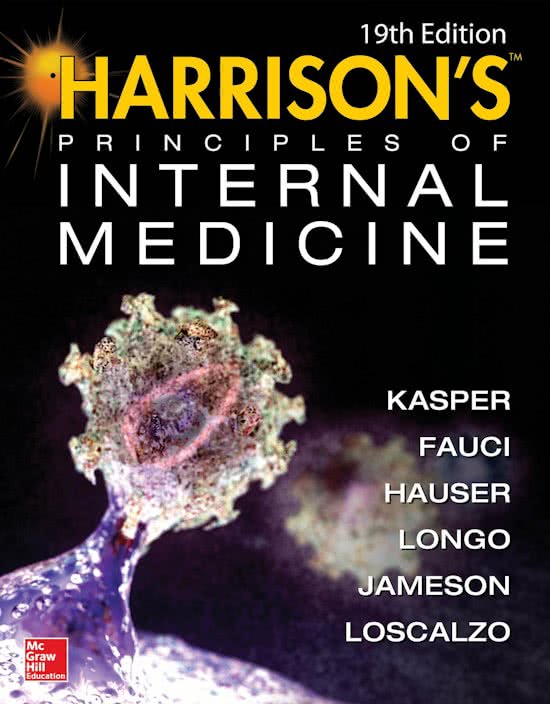
Test Bank For Harrison’s principles of internal
medicine self assessment and board review 19
Edition
, SECTION I
General Considerations in Clinical Medicine
zq zq zq zq zq zq zq zq zq zq zq zq zq zq zq
zq zq zq zq zq zq zq zq zq zq zq zq zq zq zq
zq zq zq zq QUESTIONS
DIRECTIONS: Choose the one best response to each question.
v i v i v i v i v i v i v i v i
I-
1. All of the following statements regarding practice guidelines set forth by governing agencies and p
v i v i v i v i v i v i v i v i v i v i v i v i v i v i vi
rofessional organizations are true EXCEPT: v i v i v i v i
A. Clinical practice guidelines protect caregivers against inappropriate charges of malpractice, y
v i v i v i v i v i v i v i v i v i v i
etdo not provide protection for patients from receiving substandard care.
vi v i v i v i v i v i v i v i v i
B. Practice guidelines have largely reached a stage of nuance allowing them to address every uniqu
v i v i v i v i v i v i v i v i v i v i v i v i v i v i
eillness and patient presented to the modern physician. v i v i v i v i v i v i v i
C. Practice guidelines provide a legal constraint to physicians, and deviation from guideline-
vi vi vi vi vi vi vi vi vi vi vi
basedcare invariably leaves physicians vulnerable to legal action. v i v i v i v i v i v i v i
D. Where different organizations disagree regarding practice guidelines, a third-
v i v i v i v i v i v i v i v i
party agency has been appointed to mitigate these disagreements such that now all ma
v i v i vi v i v i v i v i v i v i v i v i v i v i
jor organizations’ guidelines are consistent.
v i v i v i v i
E. All of the above statements are not true.
v i v i v i v i v i v i v i
I-2. Regarding molecular medicine, which of the following statements represents an
INACCURATE example of the listed area of study: vi v i v i v i v i v i v i
A. Exposomics: An endocrinologist studies sunlight exposure and population risk of hip fracture. v i v i v i v i v i v i v i v i v i v i v i
B. Metabolomics: A biochemist studies the rate of flux through the creatine kinase pathwa v i v i v i v i v i v i v i v i v i v i v i v i
y during the cardiac cycle.
v i vi v i v i
C. Metagenomics: A biologist studies the genomic alterations in molds commonly found
in humandwellings. vi
D. Microbiomics: A microbiologist studies the genomic variation in thermophiles, bacteria
that cansurvive extreme heat near deep ocean vents. vi v i v i v i v i v i v i
E. Proteomics: A cardiologist studies desmosomal proteins and their posttranslational modificati v i v i v i v i v i v i v i v i v i
ons in studying arrhythmogenic right ventricular dysplasia.
v i vi v i v i v i v i
I-3. Which of the following is the best definition of evidence-based medicine?
v i v i v i v i v i v i v i v i v i v i v i
A. A summary of existing data from existing clinical trials with a critical methodologic
v i v i v i v i v i v i v i v i v i v i v i v i v i v i v i v i v i v i v i v i v i v i v i v i v i
review andstatistical analysis of summative data
v i vi v i v i v i v i
B. A type of research that compares the results of one approach to
v i v i v i v i v i v i v i v i v i v i v i
treating disease wit v i v i
h anotherapproach to treating the same disease
vi v i v i v i v i v i
C. Clinical decision- v i
making support tools developed by professional organizations that includeexpert opinions
v i v i v i v i v i v i v i v i v i v i
and data from clinical trials v i v i v i v i
D. Clinical decision making supported by data, preferably randomized controlled clinical trials
v i v i v i v i v i v i v i v i v i v i
E. One physician’s clinical experience in caring for multiple patients with a specific disord
v i v i v i v i v i v i v i v i v i v i v i v i
er over many years
v i vi v i
I-
4. Which of the following is the standard measure for determining the impact of a hea
v i v i v i v i v i v i v i v i v i v i v i v i v i v i v i
lth condition on a population?
v i v i v i v i
,A. Disability-adjusted life-years
v i
B. Infant mortality
v i
C. Life expectancy
v i
, D. Standardized mortality ratio v i v i
E. Years of life lost v i v i v i
I-5. Which of the following statements regarding disease patterns worldwide is true?
v i v i v i v i v i v i v i v i v i v i v i
A. Childhood undernutrition is the leading risk factor for global disease burden. v i v i v i v i v i v i v i v i v i v i
B. In a 2006 publication, the World Health Organization (WHO) estimated that 10% of
the totalglobal burden of disease was due to modifiable environmental risk factors. vi v i v i v i v i v i v i v i v i v i v i
C. In 2010, ischemic heart disease was the leading cause of death among adults.
v i v i v i v i v i v i v i v i v i v i v i v i
D. In the last two decades, mortality attributed to communicable diseases, maternal and perinatalcond
v i v i v i v i v i v i v i v i v i v i v i vi
itions, and nutritional deficiencies has remained fairly stable, with the majority (76%) ofv i v i v i v i v i v i v i v i v i v i v i v i
mortality from these causes occurring in sub-Saharan Africa and southern Asia.
v i v i v i v i v i v i v i v i v i v i v i
E. While poverty status has been shown to be linked to health status on the individual
v i v i v i v i v i v i v i v i v i v i v i v i v i v i v
level, thesame relationship does not hold true when studying the link between national
i vi v i v i v i v i v i v i v i v i v i v i v i
health indicators and gross domestic product per capita among nations.
v i vi v i v i v i v i v i v i v i v i
I-
6. You are appointed to a governmental healthcare advisory subcommittee concerned with addressing
v i v i v i v i v i v i v i v i v i v i v i v i v
problems facing the global health community. Your task is to draw general conclusions fro
i v i v i v i v i v i v i v i v i v i v i v i v i v i
m the global fight against tuberculosis (TB) and human immunodeficiency virus (HIV)/acquired i
v i vi v i v i v i v i v i v i v i v i v i vi
mmunodeficiency syndrome (AIDS) that may be applied in combatting other diseases, including noncommunicabl vi vi vi vi vi vi vi vi vi vi vi vi
e diseases. Which of the following conclusions is reasonable when considering HIV/AIDS and
v i v i v i v i v i v i v i v i v i v i vi v i v
iTB as chronic diseases? v i v i v i
A. Barriers to adequate healthcare and patient adherence imposed by extreme poverty must beconco v i v i v i v i v i v i v i v i v i v i v i vi
mitantly addressed to adequately treat and prevent chronic disease in developing nations v i v i v i v i v i v i v i v i v i v i vi
.
B. Charging small fees for health services (e.g., AIDS prevention and care) supplies the p v i v i v i v i v i v i v i v i v i v i v i v i v i
atient witha sense of the treatment’s value and increases compliance and overall public vi v i v i v i v i v i v i v i v i v i v i v i v
health. i
C. Despite adequate available tools to practice their trade locally in developing nations, many v i v i v i v i v i v i v i v i v i v i v i vi
physicians and nurses emigrate to developed nations to practice their respective trades, a phenomenon call vi vi vi vi vi vi vi vi vi vi vi vi vi v i
ed “brain drain.” v i v i
D. In developed nations where physicians are abundant, community health worker supervision
v i v i v i v i v i v i v i v i v i v i
ofthe care of chronically ill patients is not effective.
v i vi v i v i v i v i v i v i v i
E. In the case of chronic infectious diseases, switching from one drug to another through
v i v i v i v i v i v i v i v i v i v i v i v i v i v i
aprolonged course of treatment provides the highest cure rate by obviating the infectio v i v i v i v i v i v i v i v i v i v i v i v i
us agent’s ability to develop resistance to any single drug. v i v i v i v i v i v i v i v i v i
I-7. Mrs. Jones, a 22-year-
v i v i v i v i
old African American woman, presents to Dr. Smith, an internal medicine specialist, with a
v i v i v i v i v i v i v i v i v i v i vi v i v i v
facial rash. Mrs. Jones states that the rash began after spending a day at the beach wi
i v i v i v i v i v i v i v i v i v i v i v i v i v i v i vi v i
th her family. She also notes that her metacarpophalangeal and proximal interphalangeal join
v i v i v i v i v i v i v i v i v i v i v i vi
ts have been painful and swollen for the preceding 2 weeks. On examination, the joints
v i v i v i v i v i v i v i v i v i v i v i v i v i v i v
are swollen and tender. Laboratory analysis discloses reduced creatinine clearance, proteinuria,
i vi v i v i v i v i v i v i v i v i v i
and hemolytic anemia. Antinuclear antibodies (a test with a high negative predictive value
v i vi v i v i v i v i v i v i v i v i v i v i v i v
for systemic lupus erythematosus) are detected at significant titer, and ultimately, the dia
i v i vi v i v i v i v i v i v i v i v i v i v i
gnosis of systemic lupus erythematosus is made. v i v i vi v i v i v i
Two weeks later, Mrs. Johnson, a 24-year- v i v i v i v i v i v i
old African American woman, presents with a facial rash and elbow pain to Dr. Smith. A
v i v i v i v i v i v i v i vi v i v i v i v i v i v i v i
fter a cursory interview and brief physical exam, Dr. Smith sends blood work only testing
v i v i v i v i v i v i v i v i v i vi v i v i v i v i v i
for antinuclear antibodies. When the test returns negative (no antibodies detected), Dr. Smith
v i v i v i v i v i v i v i v i vi v i v i v i
presumes this to be a false-
v i v i v i v i v i v i
negative result and starts Mrs. Johnson on hydroxychloroquine and prednisone for treatment v i v i v i v i v i vi v i v i v i v i v i v i
of systemic lupus erythematosus. Which heuristic(s) did Dr. Smith likely employ in diagnosing
v i v i v i v i vi v i v i v i v i v i v i v i
Mrs. Johnson with systemic lupus erythematosus?
v i v i v i v i v i vi
A. Availability heuristic v i
B. Anchoring heuristic v i
medicine self assessment and board review 19
Edition
, SECTION I
General Considerations in Clinical Medicine
zq zq zq zq zq zq zq zq zq zq zq zq zq zq zq
zq zq zq zq zq zq zq zq zq zq zq zq zq zq zq
zq zq zq zq QUESTIONS
DIRECTIONS: Choose the one best response to each question.
v i v i v i v i v i v i v i v i
I-
1. All of the following statements regarding practice guidelines set forth by governing agencies and p
v i v i v i v i v i v i v i v i v i v i v i v i v i v i vi
rofessional organizations are true EXCEPT: v i v i v i v i
A. Clinical practice guidelines protect caregivers against inappropriate charges of malpractice, y
v i v i v i v i v i v i v i v i v i v i
etdo not provide protection for patients from receiving substandard care.
vi v i v i v i v i v i v i v i v i
B. Practice guidelines have largely reached a stage of nuance allowing them to address every uniqu
v i v i v i v i v i v i v i v i v i v i v i v i v i v i
eillness and patient presented to the modern physician. v i v i v i v i v i v i v i
C. Practice guidelines provide a legal constraint to physicians, and deviation from guideline-
vi vi vi vi vi vi vi vi vi vi vi
basedcare invariably leaves physicians vulnerable to legal action. v i v i v i v i v i v i v i
D. Where different organizations disagree regarding practice guidelines, a third-
v i v i v i v i v i v i v i v i
party agency has been appointed to mitigate these disagreements such that now all ma
v i v i vi v i v i v i v i v i v i v i v i v i v i
jor organizations’ guidelines are consistent.
v i v i v i v i
E. All of the above statements are not true.
v i v i v i v i v i v i v i
I-2. Regarding molecular medicine, which of the following statements represents an
INACCURATE example of the listed area of study: vi v i v i v i v i v i v i
A. Exposomics: An endocrinologist studies sunlight exposure and population risk of hip fracture. v i v i v i v i v i v i v i v i v i v i v i
B. Metabolomics: A biochemist studies the rate of flux through the creatine kinase pathwa v i v i v i v i v i v i v i v i v i v i v i v i
y during the cardiac cycle.
v i vi v i v i
C. Metagenomics: A biologist studies the genomic alterations in molds commonly found
in humandwellings. vi
D. Microbiomics: A microbiologist studies the genomic variation in thermophiles, bacteria
that cansurvive extreme heat near deep ocean vents. vi v i v i v i v i v i v i
E. Proteomics: A cardiologist studies desmosomal proteins and their posttranslational modificati v i v i v i v i v i v i v i v i v i
ons in studying arrhythmogenic right ventricular dysplasia.
v i vi v i v i v i v i
I-3. Which of the following is the best definition of evidence-based medicine?
v i v i v i v i v i v i v i v i v i v i v i
A. A summary of existing data from existing clinical trials with a critical methodologic
v i v i v i v i v i v i v i v i v i v i v i v i v i v i v i v i v i v i v i v i v i v i v i v i v i
review andstatistical analysis of summative data
v i vi v i v i v i v i
B. A type of research that compares the results of one approach to
v i v i v i v i v i v i v i v i v i v i v i
treating disease wit v i v i
h anotherapproach to treating the same disease
vi v i v i v i v i v i
C. Clinical decision- v i
making support tools developed by professional organizations that includeexpert opinions
v i v i v i v i v i v i v i v i v i v i
and data from clinical trials v i v i v i v i
D. Clinical decision making supported by data, preferably randomized controlled clinical trials
v i v i v i v i v i v i v i v i v i v i
E. One physician’s clinical experience in caring for multiple patients with a specific disord
v i v i v i v i v i v i v i v i v i v i v i v i
er over many years
v i vi v i
I-
4. Which of the following is the standard measure for determining the impact of a hea
v i v i v i v i v i v i v i v i v i v i v i v i v i v i v i
lth condition on a population?
v i v i v i v i
,A. Disability-adjusted life-years
v i
B. Infant mortality
v i
C. Life expectancy
v i
, D. Standardized mortality ratio v i v i
E. Years of life lost v i v i v i
I-5. Which of the following statements regarding disease patterns worldwide is true?
v i v i v i v i v i v i v i v i v i v i v i
A. Childhood undernutrition is the leading risk factor for global disease burden. v i v i v i v i v i v i v i v i v i v i
B. In a 2006 publication, the World Health Organization (WHO) estimated that 10% of
the totalglobal burden of disease was due to modifiable environmental risk factors. vi v i v i v i v i v i v i v i v i v i v i
C. In 2010, ischemic heart disease was the leading cause of death among adults.
v i v i v i v i v i v i v i v i v i v i v i v i
D. In the last two decades, mortality attributed to communicable diseases, maternal and perinatalcond
v i v i v i v i v i v i v i v i v i v i v i vi
itions, and nutritional deficiencies has remained fairly stable, with the majority (76%) ofv i v i v i v i v i v i v i v i v i v i v i v i
mortality from these causes occurring in sub-Saharan Africa and southern Asia.
v i v i v i v i v i v i v i v i v i v i v i
E. While poverty status has been shown to be linked to health status on the individual
v i v i v i v i v i v i v i v i v i v i v i v i v i v i v
level, thesame relationship does not hold true when studying the link between national
i vi v i v i v i v i v i v i v i v i v i v i v i
health indicators and gross domestic product per capita among nations.
v i vi v i v i v i v i v i v i v i v i
I-
6. You are appointed to a governmental healthcare advisory subcommittee concerned with addressing
v i v i v i v i v i v i v i v i v i v i v i v i v
problems facing the global health community. Your task is to draw general conclusions fro
i v i v i v i v i v i v i v i v i v i v i v i v i v i
m the global fight against tuberculosis (TB) and human immunodeficiency virus (HIV)/acquired i
v i vi v i v i v i v i v i v i v i v i v i vi
mmunodeficiency syndrome (AIDS) that may be applied in combatting other diseases, including noncommunicabl vi vi vi vi vi vi vi vi vi vi vi vi
e diseases. Which of the following conclusions is reasonable when considering HIV/AIDS and
v i v i v i v i v i v i v i v i v i v i vi v i v
iTB as chronic diseases? v i v i v i
A. Barriers to adequate healthcare and patient adherence imposed by extreme poverty must beconco v i v i v i v i v i v i v i v i v i v i v i vi
mitantly addressed to adequately treat and prevent chronic disease in developing nations v i v i v i v i v i v i v i v i v i v i vi
.
B. Charging small fees for health services (e.g., AIDS prevention and care) supplies the p v i v i v i v i v i v i v i v i v i v i v i v i v i
atient witha sense of the treatment’s value and increases compliance and overall public vi v i v i v i v i v i v i v i v i v i v i v i v
health. i
C. Despite adequate available tools to practice their trade locally in developing nations, many v i v i v i v i v i v i v i v i v i v i v i vi
physicians and nurses emigrate to developed nations to practice their respective trades, a phenomenon call vi vi vi vi vi vi vi vi vi vi vi vi vi v i
ed “brain drain.” v i v i
D. In developed nations where physicians are abundant, community health worker supervision
v i v i v i v i v i v i v i v i v i v i
ofthe care of chronically ill patients is not effective.
v i vi v i v i v i v i v i v i v i
E. In the case of chronic infectious diseases, switching from one drug to another through
v i v i v i v i v i v i v i v i v i v i v i v i v i v i
aprolonged course of treatment provides the highest cure rate by obviating the infectio v i v i v i v i v i v i v i v i v i v i v i v i
us agent’s ability to develop resistance to any single drug. v i v i v i v i v i v i v i v i v i
I-7. Mrs. Jones, a 22-year-
v i v i v i v i
old African American woman, presents to Dr. Smith, an internal medicine specialist, with a
v i v i v i v i v i v i v i v i v i v i vi v i v i v
facial rash. Mrs. Jones states that the rash began after spending a day at the beach wi
i v i v i v i v i v i v i v i v i v i v i v i v i v i v i vi v i
th her family. She also notes that her metacarpophalangeal and proximal interphalangeal join
v i v i v i v i v i v i v i v i v i v i v i vi
ts have been painful and swollen for the preceding 2 weeks. On examination, the joints
v i v i v i v i v i v i v i v i v i v i v i v i v i v i v
are swollen and tender. Laboratory analysis discloses reduced creatinine clearance, proteinuria,
i vi v i v i v i v i v i v i v i v i v i
and hemolytic anemia. Antinuclear antibodies (a test with a high negative predictive value
v i vi v i v i v i v i v i v i v i v i v i v i v i v
for systemic lupus erythematosus) are detected at significant titer, and ultimately, the dia
i v i vi v i v i v i v i v i v i v i v i v i v i
gnosis of systemic lupus erythematosus is made. v i v i vi v i v i v i
Two weeks later, Mrs. Johnson, a 24-year- v i v i v i v i v i v i
old African American woman, presents with a facial rash and elbow pain to Dr. Smith. A
v i v i v i v i v i v i v i vi v i v i v i v i v i v i v i
fter a cursory interview and brief physical exam, Dr. Smith sends blood work only testing
v i v i v i v i v i v i v i v i v i vi v i v i v i v i v i
for antinuclear antibodies. When the test returns negative (no antibodies detected), Dr. Smith
v i v i v i v i v i v i v i v i vi v i v i v i
presumes this to be a false-
v i v i v i v i v i v i
negative result and starts Mrs. Johnson on hydroxychloroquine and prednisone for treatment v i v i v i v i v i vi v i v i v i v i v i v i
of systemic lupus erythematosus. Which heuristic(s) did Dr. Smith likely employ in diagnosing
v i v i v i v i vi v i v i v i v i v i v i v i
Mrs. Johnson with systemic lupus erythematosus?
v i v i v i v i v i vi
A. Availability heuristic v i
B. Anchoring heuristic v i