
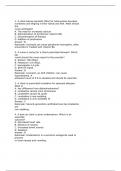
1. A client taking isoniazid (INH) for tuberculosis develops
numbness and tingling in their hands and feet. What should
the
nurse anticipate?
A. The need for increased calcium
B. Administration of pyridoxine (vitamin B6)
C. Discontinuation of therapy
D. Addition of prednisone
Answer: B
Rationale: Isoniazid can cause peripheral neuropathy, often
prevented or treated with vitamin B6.
2. A nurse is caring for a client prescribed lisinopril. Which
lab
result should the nurse report to the provider?
A. Sodium 138 mEq/L
B. Potassium 5.8 mEq/L
C. Hemoglobin 14 g/dL
D. BUN 18 mg/dL
Answer: B
Rationale: Lisinopril, an ACE inhibitor, can cause
hyperkalemia. A
potassium level of 5.8 is elevated and should be reported.
3. A client is prescribed loratadine for seasonal allergies.
What is
A. key difference from diphenhydramine?
A. Loratadine causes more drowsiness
B. Loratadine causes GI upset
C. Loratadine is non-sedating
D. Loratadine is only available IV
Answer: C
Rationale: Second-generation antihistamines like loratadine
are
non-sedating.
4. A post-op client is given ondansetron. Which is an
expected
outcome?
A. Decreased heart rate
B. Absence of nausea
C. Increased bowel sounds
D. Sedation
Answer: B
Rationale: Ondansetron is a serotonin antagonist used to
prevent
or treat nausea and vomiting.
, 5. Which statement indicates proper understanding of
enoxaparin (Lovenox) administration?
A. “I will inject it into my thigh muscle.”
B. “I will rub the site after injection.”
C. “I will inject it into my belly fat.”
D. “I must monitor my INR daily.”
Answer: C
Rationale: Enoxaparin is given subcutaneously, preferably
in the
abdomen, and INR monitoring is not required.
6. A client on sildenafil experiences chest pain during
intercourse. What is the nurse’s next action?
A. Administer nitroglycerin
B. Encourage rest and fluids
C. Call emergency services
D. Administer aspirin
Answer: C
Rationale: Sildenafil + nitrates can cause life-threatening
hypotension. Do not give nitro—call 911.
7. A client is taking diphenhydramine. Which side effect is
most
likely?
A. Hypertension
B. Drowsiness
C. Diarrhea
D. Insomnia
Answer: B
Rationale: First-generation antihistamines like
diphenhydramine
cause sedation and drowsiness.
8. A nurse is administering digoxin to a client. Which finding
requires immediate action?
A. HR 62 bpm
B. Blurred vision with yellow halos
C. BP 140/88 mmHg
D. Urine output 400 mL in 8 hours
Answer: B
Rationale: Visual disturbances and halos are signs of
digoxin
toxicity, especially when paired with bradycardia.
9. A client taking carbidopa/levodopa reports facial
twitching
and eye spasms. What should the nurse do?
A. Reassure the client this is expected
B. Hold the dose and notify the provider
C. Administer diphenhydramine
numbness and tingling in their hands and feet. What should
the
nurse anticipate?
A. The need for increased calcium
B. Administration of pyridoxine (vitamin B6)
C. Discontinuation of therapy
D. Addition of prednisone
Answer: B
Rationale: Isoniazid can cause peripheral neuropathy, often
prevented or treated with vitamin B6.
2. A nurse is caring for a client prescribed lisinopril. Which
lab
result should the nurse report to the provider?
A. Sodium 138 mEq/L
B. Potassium 5.8 mEq/L
C. Hemoglobin 14 g/dL
D. BUN 18 mg/dL
Answer: B
Rationale: Lisinopril, an ACE inhibitor, can cause
hyperkalemia. A
potassium level of 5.8 is elevated and should be reported.
3. A client is prescribed loratadine for seasonal allergies.
What is
A. key difference from diphenhydramine?
A. Loratadine causes more drowsiness
B. Loratadine causes GI upset
C. Loratadine is non-sedating
D. Loratadine is only available IV
Answer: C
Rationale: Second-generation antihistamines like loratadine
are
non-sedating.
4. A post-op client is given ondansetron. Which is an
expected
outcome?
A. Decreased heart rate
B. Absence of nausea
C. Increased bowel sounds
D. Sedation
Answer: B
Rationale: Ondansetron is a serotonin antagonist used to
prevent
or treat nausea and vomiting.
, 5. Which statement indicates proper understanding of
enoxaparin (Lovenox) administration?
A. “I will inject it into my thigh muscle.”
B. “I will rub the site after injection.”
C. “I will inject it into my belly fat.”
D. “I must monitor my INR daily.”
Answer: C
Rationale: Enoxaparin is given subcutaneously, preferably
in the
abdomen, and INR monitoring is not required.
6. A client on sildenafil experiences chest pain during
intercourse. What is the nurse’s next action?
A. Administer nitroglycerin
B. Encourage rest and fluids
C. Call emergency services
D. Administer aspirin
Answer: C
Rationale: Sildenafil + nitrates can cause life-threatening
hypotension. Do not give nitro—call 911.
7. A client is taking diphenhydramine. Which side effect is
most
likely?
A. Hypertension
B. Drowsiness
C. Diarrhea
D. Insomnia
Answer: B
Rationale: First-generation antihistamines like
diphenhydramine
cause sedation and drowsiness.
8. A nurse is administering digoxin to a client. Which finding
requires immediate action?
A. HR 62 bpm
B. Blurred vision with yellow halos
C. BP 140/88 mmHg
D. Urine output 400 mL in 8 hours
Answer: B
Rationale: Visual disturbances and halos are signs of
digoxin
toxicity, especially when paired with bradycardia.
9. A client taking carbidopa/levodopa reports facial
twitching
and eye spasms. What should the nurse do?
A. Reassure the client this is expected
B. Hold the dose and notify the provider
C. Administer diphenhydramine


