

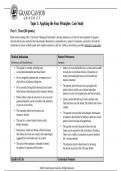
Topic 3: Applying the Four Principles: Case Study
Part 1: Chart (60 points)
Based on the reading of the "Case Study: Healing and Autonomy" and topic Resources, use the four boxes approach to organize
relevant ethical issues related to the four principles (beneficence, nonmaleficence, respect for autonomy, and justice). Provide the
information by means of bullet points with complete sentences in the box. Gather as much data as possible within this 1-page chart.
Medical Indications Patient Preferences
Beneficence and Nonmaleficence Autonomy
• The patient is currently suffering from • James is 8 years old therefor, he is a minor and is unable
acute glomerulonephritis and renal failure. to make his own medical decision. His parents are
• He was originally admitted due to streptococcus A tasked with making decisions over his health and
medical treatment.
which led to his kidneys failing him.
• The parents' initial decision was to go against the
• He is currently having fluid overload and increased
medical device which was to initiate immediate
blood pressure indicating need for temporary dialysis.
dialysis to correct the hypertension and fluid overload.
• Kidney failure cannot be cured on its own, but acute
• James's parents decided to go with a spiritual route.
glomerulonephritis can be reversible with antibiotics
Their decision was faith based; they believe their God is
or own its own at times.
a healer.
• The treatment offered to the patient was
• The parents were provided with adequate information
temporary dialysis.
in regards to the benefits the dialysis would have on the
• The goal is to restore kidney function with a patient's fluid overload and hypertension.
kidney transplant.
• The parents were also educated on the risks that
• Both parents, family and friends offered to donate James may be exposed to due to the delay of dialysis.
their kidney but were not a match, their nephrologist There was a conflict of autonomy as parents declined
suggested his twin brother may be a match. life- saving treatment.
• The goal of the transplant is intended to benefit • The physician practice beneficence by allowing
the patient, his parents and his brother. the parents to practice their Christian beliefs.
Quality of Life Contextual Features
©2023. Grand Canyon University. All Rights Reserved.
, Beneficence, Nonmaleficence, Autonomy
Justice and Fairness
• Initially the nephrologist stated the dialysis would have • The physician complied with the patient's medical
been temporary, James had the potential to live a right to receive treatment by offering medical
normal life. treatment such as antibiotics and dialysis.
• However, due to the delay in treatment James’s kidney • The physician respected the patients and the parents
failure progressed to the point that he required to be on rights to practice Spiritual care and practice
permanent dialysis and needed a kidney transplant spiritual healing.
within a year. • The physician and parents had a conflict of
• Even after a transplant James may suffer from interest, medical treatment vs practicing religious
mental tolls from the transplant. These tolls include healing.
anxiety, depression and guilt. • The parents were willing to accept clinical treatment,
• These feelings may be assessed by the relationship the but only after they practiced their spiritual belief in
recipient has with the donor. James may feel guilt healing.
from taking his brothers kidney. • The Christian values and beliefs in miracle healing
• There are risks for the donor, healthcare played a role in the delay of medical treatment
professionals can assess the potential quality life of which consequently led to his deterioration in health.
the donor. This relates to the ethical issues.
• The imminent issue in this case study is that
the suggested donor is also a minor.
• The parents are now faced with the dilemma to make
the decision on making the decision to give consent for
Samuel's donation of a kidney.
• The parents are worried about compromising the
health of not one but both twins based on their final
decision.
Part 1: Chart (60 points)
Based on the reading of the "Case Study: Healing and Autonomy" and topic Resources, use the four boxes approach to organize
relevant ethical issues related to the four principles (beneficence, nonmaleficence, respect for autonomy, and justice). Provide the
information by means of bullet points with complete sentences in the box. Gather as much data as possible within this 1-page chart.
Medical Indications Patient Preferences
Beneficence and Nonmaleficence Autonomy
• The patient is currently suffering from • James is 8 years old therefor, he is a minor and is unable
acute glomerulonephritis and renal failure. to make his own medical decision. His parents are
• He was originally admitted due to streptococcus A tasked with making decisions over his health and
medical treatment.
which led to his kidneys failing him.
• The parents' initial decision was to go against the
• He is currently having fluid overload and increased
medical device which was to initiate immediate
blood pressure indicating need for temporary dialysis.
dialysis to correct the hypertension and fluid overload.
• Kidney failure cannot be cured on its own, but acute
• James's parents decided to go with a spiritual route.
glomerulonephritis can be reversible with antibiotics
Their decision was faith based; they believe their God is
or own its own at times.
a healer.
• The treatment offered to the patient was
• The parents were provided with adequate information
temporary dialysis.
in regards to the benefits the dialysis would have on the
• The goal is to restore kidney function with a patient's fluid overload and hypertension.
kidney transplant.
• The parents were also educated on the risks that
• Both parents, family and friends offered to donate James may be exposed to due to the delay of dialysis.
their kidney but were not a match, their nephrologist There was a conflict of autonomy as parents declined
suggested his twin brother may be a match. life- saving treatment.
• The goal of the transplant is intended to benefit • The physician practice beneficence by allowing
the patient, his parents and his brother. the parents to practice their Christian beliefs.
Quality of Life Contextual Features
©2023. Grand Canyon University. All Rights Reserved.
, Beneficence, Nonmaleficence, Autonomy
Justice and Fairness
• Initially the nephrologist stated the dialysis would have • The physician complied with the patient's medical
been temporary, James had the potential to live a right to receive treatment by offering medical
normal life. treatment such as antibiotics and dialysis.
• However, due to the delay in treatment James’s kidney • The physician respected the patients and the parents
failure progressed to the point that he required to be on rights to practice Spiritual care and practice
permanent dialysis and needed a kidney transplant spiritual healing.
within a year. • The physician and parents had a conflict of
• Even after a transplant James may suffer from interest, medical treatment vs practicing religious
mental tolls from the transplant. These tolls include healing.
anxiety, depression and guilt. • The parents were willing to accept clinical treatment,
• These feelings may be assessed by the relationship the but only after they practiced their spiritual belief in
recipient has with the donor. James may feel guilt healing.
from taking his brothers kidney. • The Christian values and beliefs in miracle healing
• There are risks for the donor, healthcare played a role in the delay of medical treatment
professionals can assess the potential quality life of which consequently led to his deterioration in health.
the donor. This relates to the ethical issues.
• The imminent issue in this case study is that
the suggested donor is also a minor.
• The parents are now faced with the dilemma to make
the decision on making the decision to give consent for
Samuel's donation of a kidney.
• The parents are worried about compromising the
health of not one but both twins based on their final
decision.


