
s
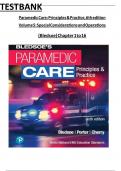
TESTBANK
s
Paramedic Care: Principles & Practice, 6th edition
s s s s s s
Volume 5: Special Considerations and Operations
s s s s s
(Bledsoe) Chapter 1 to 16
s s s s
,s
Volume 5: Special Considerations and Operations
s s s s s
Table of contents
s s
Chapter 1. Gynecology
s s
Chapter 2. Obstetrics
s s
Chapter 3. Neonatology
s s
Chapter 4. Pediatrics
s s
Chapter 5. Geriatrics
s s
Chapter 6. Abuse, Neglect, and Assault
s s s s s
Chapter 7. The Challenged Patient
s s s s
Chapter 8. Acute Interventions for the Chronic Care Patient
s s s s s s s s
Chapter 9. Ground Ambulance Operations
s s s s
Chapter 10. Air Medical Operations
s s s s
Chapter 11. Multiple-Casualty Incidents and Incident Management
s s s s s s
Chapter 12. Rescue Awareness and Operations
s s s s s
Chapter 13. Hazardous Materials
s s s
Chapter 14. Crime Scene Awareness
s s s s
Chapter 15. Rural EMS
s s s
Chapter 16. Responding to Terrorist Acts
s s s s s
,s
Volume 5: Special Considerations andOperations s s s s s
Chapter 1: Gynecology s s
1) The paramedic accurately describes the difference between endometritis and endometriosis
s s s s s s s s s s
when she states: s s
A) "Endometriosis is an infection of the uterine lining, while endometritis occurs when
s s s s s s s s s s s s
endometrial tissue is found outside the uterus." s s s s s s
B) "Endometriosis occurs in women under age 40, while endometriosis is more common in
s s s s s s s s s s s s s
women who are older." s s s
C) "Endometritis is an infection of the uterine lining, while endometriosis occurs when
s s s s s s s s s s s s
endometrial tissue is found outside the uterus." s s s s s s
D) "Endometritis patients can be transported code 2, while those with endometriosis should
s s s s s s s s s s s s
always go code 3." s s s
Answer: C s
Diff: 2 Page Ref: 12
s s s s
Standard: Medicine (Gynecology) s s
Objective: 1 s
2) Your patient tells you that she is being treated for cystitis. You recognize that she is being
s s s s s s s s s s s s s s s s s
treated for: s
A) ovarian cysts.
s s
B) pelvic inflammatorydisease.
s s s
C) a urinarytract infection.
s s s s
D) an ectopicpregnancy.
s s s
Answer: C s
Diff: 1 Page Ref: 12
s s s s
Standard: Medicine (Gynecology) s s
Objective: 1 s
3) Which of the following is TRUE of mittelschmerz?
s s s s s s s s
A) It is typicallylocated unilaterallyin one of the upper abdominal quadrants.
s s s s s s s s s s s s
B) It is usuallyaccompanied by heavyvaginal bleeding.
s s s s s s s s
C) It is associated with ovulation.
s s s s s
D) It is a sign of ectopic pregnancy.
s s s s s s s
Answer: C s
Diff: 1 Page Ref: 12
s s s s
Standard: Medicine (Gynecology) s s
Objective: 1 s
,s
4) Menorrhagia is:
s s
A) irregular cycles of menstruation.
s s s s
B) painful menstruation.
s s
C) absence of menstruation.
s s s
D) excessive menstrual flow.
s s s
Answer: D s
Diff: 1 Page Ref: 13
s s s s
Standard: Medicine (Gynecology) s s
Objective: 1 s
5) Mittelschmerz refers to which of the following?
s s s s s s s
A) Purulent vaginal discharge
s s s
B) False labor pains
s s s
C) Midcycle abdominal pain
s s s
D) Painful urination
s s
Answer: C s
Diff: 1 Page Ref: 12
s s s s
Standard: Medicine (Gynecology) s s
Objective: 1 s
6) Which of the following occurs during the proliferative phase of the menstrual cycle?
s s s s s s s s s s s s s
A) Ovulation
s
B) An increase in uterine vascularity
s s s s s
C) Endometrial thickening
s s
D) A drop in estrogen levels
s s s s s
Answer: C s
Diff: 1 Page Ref: 6
s s s s
Standard: Medicine (Gynecology) s s
Objective: 2 s
7) The innermost lining of the uterus is called the:
s s s s s s s s s
A) myometrium.
s
B) perimetrium.
s
C) endometrium
s
D) vasometrium.
s
Answer: C s
Diff: 1 Page Ref: 5
s s s s
Standard: Medicine (Gynecology) s s
Objective: 2 s
TESTBANK
s
Paramedic Care: Principles & Practice, 6th edition
s s s s s s
Volume 5: Special Considerations and Operations
s s s s s
(Bledsoe) Chapter 1 to 16
s s s s
,s
Volume 5: Special Considerations and Operations
s s s s s
Table of contents
s s
Chapter 1. Gynecology
s s
Chapter 2. Obstetrics
s s
Chapter 3. Neonatology
s s
Chapter 4. Pediatrics
s s
Chapter 5. Geriatrics
s s
Chapter 6. Abuse, Neglect, and Assault
s s s s s
Chapter 7. The Challenged Patient
s s s s
Chapter 8. Acute Interventions for the Chronic Care Patient
s s s s s s s s
Chapter 9. Ground Ambulance Operations
s s s s
Chapter 10. Air Medical Operations
s s s s
Chapter 11. Multiple-Casualty Incidents and Incident Management
s s s s s s
Chapter 12. Rescue Awareness and Operations
s s s s s
Chapter 13. Hazardous Materials
s s s
Chapter 14. Crime Scene Awareness
s s s s
Chapter 15. Rural EMS
s s s
Chapter 16. Responding to Terrorist Acts
s s s s s
,s
Volume 5: Special Considerations andOperations s s s s s
Chapter 1: Gynecology s s
1) The paramedic accurately describes the difference between endometritis and endometriosis
s s s s s s s s s s
when she states: s s
A) "Endometriosis is an infection of the uterine lining, while endometritis occurs when
s s s s s s s s s s s s
endometrial tissue is found outside the uterus." s s s s s s
B) "Endometriosis occurs in women under age 40, while endometriosis is more common in
s s s s s s s s s s s s s
women who are older." s s s
C) "Endometritis is an infection of the uterine lining, while endometriosis occurs when
s s s s s s s s s s s s
endometrial tissue is found outside the uterus." s s s s s s
D) "Endometritis patients can be transported code 2, while those with endometriosis should
s s s s s s s s s s s s
always go code 3." s s s
Answer: C s
Diff: 2 Page Ref: 12
s s s s
Standard: Medicine (Gynecology) s s
Objective: 1 s
2) Your patient tells you that she is being treated for cystitis. You recognize that she is being
s s s s s s s s s s s s s s s s s
treated for: s
A) ovarian cysts.
s s
B) pelvic inflammatorydisease.
s s s
C) a urinarytract infection.
s s s s
D) an ectopicpregnancy.
s s s
Answer: C s
Diff: 1 Page Ref: 12
s s s s
Standard: Medicine (Gynecology) s s
Objective: 1 s
3) Which of the following is TRUE of mittelschmerz?
s s s s s s s s
A) It is typicallylocated unilaterallyin one of the upper abdominal quadrants.
s s s s s s s s s s s s
B) It is usuallyaccompanied by heavyvaginal bleeding.
s s s s s s s s
C) It is associated with ovulation.
s s s s s
D) It is a sign of ectopic pregnancy.
s s s s s s s
Answer: C s
Diff: 1 Page Ref: 12
s s s s
Standard: Medicine (Gynecology) s s
Objective: 1 s
,s
4) Menorrhagia is:
s s
A) irregular cycles of menstruation.
s s s s
B) painful menstruation.
s s
C) absence of menstruation.
s s s
D) excessive menstrual flow.
s s s
Answer: D s
Diff: 1 Page Ref: 13
s s s s
Standard: Medicine (Gynecology) s s
Objective: 1 s
5) Mittelschmerz refers to which of the following?
s s s s s s s
A) Purulent vaginal discharge
s s s
B) False labor pains
s s s
C) Midcycle abdominal pain
s s s
D) Painful urination
s s
Answer: C s
Diff: 1 Page Ref: 12
s s s s
Standard: Medicine (Gynecology) s s
Objective: 1 s
6) Which of the following occurs during the proliferative phase of the menstrual cycle?
s s s s s s s s s s s s s
A) Ovulation
s
B) An increase in uterine vascularity
s s s s s
C) Endometrial thickening
s s
D) A drop in estrogen levels
s s s s s
Answer: C s
Diff: 1 Page Ref: 6
s s s s
Standard: Medicine (Gynecology) s s
Objective: 2 s
7) The innermost lining of the uterus is called the:
s s s s s s s s s
A) myometrium.
s
B) perimetrium.
s
C) endometrium
s
D) vasometrium.
s
Answer: C s
Diff: 1 Page Ref: 5
s s s s
Standard: Medicine (Gynecology) s s
Objective: 2 s


