

Psycho lo gy Test ch 12-13
Study this set o nline at: https://www.cram.co m/flashcards/psycho lo gy-test-ch-12-13-
140 19 525
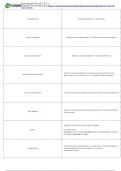
psychopathol ogy havi ng a psychol ogi cal i l l ness/di sorder
stati sti cal approach behavi or i s consi dered abnormal i f i t i s devi ati ng f rom the average person
cul tural /soci al approach behavi or i s consi dered abnormal i f i t devi ates f rom i deal
behavi or i s consi dered abnormal i f i t produces a sense of personal di stress,
personal di scomf ort approach
anxi ety, or gui l t i n an i ndi vi dual —or i f i t i s harmf ul to others i n some way
abi l i ty to cope approach behavi or i s consi dered abnormal i f they have an i nabi l i ty to f uncti on ef f ecti vel y
a person i s "i nsane" when i mpai rment l eads to an i nabi l i ty to di sti ngui sh between
l egal approach
ri ght and wrong
di ganosti c and stati sti v manual of mental di sorders.
D SM -5 Y ou need to have:
D i s t re s s (f rom sel f or others), d ys f u nc t i o n (i n l i f e), d e vi a nc e (wi thi n one's
cul ture), D i s t u rb a nc e of thoughts
f ake pati ents admi tted themsel ves i nto a mental hospi tal f aki ng schi z ophreni a.
Rosenhan Study T hey were treated as havi ng "schi z ophreni z a i n admi ssi on"
retai ned f or 3-52 days
, Psycho lo gy Test ch 12-13
Study this set o nline at: https://www.cram.co m/flashcards/psycho lo gy-test-ch-12-13-
140 19 525
medi cal perspecti ve physi ol ogi cal causes of psychol ogi cal symptoms
psychoanal yti c perspecti ve chi l dhood conf l i cts not resol ved wel l
behavi oral perspecti ve abnormal behavi or i s l earned through condi ti oni ng
T he approach that suggests that al l i ndi vi dual s natural l y stri ve to grow, devel op,
humani sti c perspecti ve
and be i n control of thei r l i ves and behavi or
T he perspecti ve that assumes that peopl e’s behavi or—both normal and abnormal
soci ocul tural perspecti ve
—i s shaped by the ki nd of f ami l y group, soci ety, and cul ture i n whi ch they l i ve
"predi sposi ti on" noti on i f you're bi ol ogi cal l y i ncl i ned to get a di sorder certai n si tuati ons can tri gger i t
T he occurrence of anxi ety wi thout an obvi ous external cause that af f ects dai l y
Anxi ety D i sorder
f uncti oni ng
phobi as i ntense, i rrati onal f ears of a speci f i c obj ect or si tuati ons
Study this set o nline at: https://www.cram.co m/flashcards/psycho lo gy-test-ch-12-13-
140 19 525
psychopathol ogy havi ng a psychol ogi cal i l l ness/di sorder
stati sti cal approach behavi or i s consi dered abnormal i f i t i s devi ati ng f rom the average person
cul tural /soci al approach behavi or i s consi dered abnormal i f i t devi ates f rom i deal
behavi or i s consi dered abnormal i f i t produces a sense of personal di stress,
personal di scomf ort approach
anxi ety, or gui l t i n an i ndi vi dual —or i f i t i s harmf ul to others i n some way
abi l i ty to cope approach behavi or i s consi dered abnormal i f they have an i nabi l i ty to f uncti on ef f ecti vel y
a person i s "i nsane" when i mpai rment l eads to an i nabi l i ty to di sti ngui sh between
l egal approach
ri ght and wrong
di ganosti c and stati sti v manual of mental di sorders.
D SM -5 Y ou need to have:
D i s t re s s (f rom sel f or others), d ys f u nc t i o n (i n l i f e), d e vi a nc e (wi thi n one's
cul ture), D i s t u rb a nc e of thoughts
f ake pati ents admi tted themsel ves i nto a mental hospi tal f aki ng schi z ophreni a.
Rosenhan Study T hey were treated as havi ng "schi z ophreni z a i n admi ssi on"
retai ned f or 3-52 days
, Psycho lo gy Test ch 12-13
Study this set o nline at: https://www.cram.co m/flashcards/psycho lo gy-test-ch-12-13-
140 19 525
medi cal perspecti ve physi ol ogi cal causes of psychol ogi cal symptoms
psychoanal yti c perspecti ve chi l dhood conf l i cts not resol ved wel l
behavi oral perspecti ve abnormal behavi or i s l earned through condi ti oni ng
T he approach that suggests that al l i ndi vi dual s natural l y stri ve to grow, devel op,
humani sti c perspecti ve
and be i n control of thei r l i ves and behavi or
T he perspecti ve that assumes that peopl e’s behavi or—both normal and abnormal
soci ocul tural perspecti ve
—i s shaped by the ki nd of f ami l y group, soci ety, and cul ture i n whi ch they l i ve
"predi sposi ti on" noti on i f you're bi ol ogi cal l y i ncl i ned to get a di sorder certai n si tuati ons can tri gger i t
T he occurrence of anxi ety wi thout an obvi ous external cause that af f ects dai l y
Anxi ety D i sorder
f uncti oni ng
phobi as i ntense, i rrati onal f ears of a speci f i c obj ect or si tuati ons


