

OB NURSING 2.6 NURSE
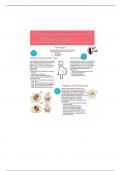
Stages of Labor
! First Stage
Begins with the onset of true labor and end
1
with full dilation of the cervix at 10 cm
1. Early labor
2. Active labor
LATENT PHASE (EARLY LABO
3. Transition
ACTIVE LABOR 2
Contractions during early labor are typicall Contractions occur every 2 to 5 minutes, la
5 to 10 minutes apart, last 30 to 45 second 45 to 60 seconds, and are of moderate to
and are of mild intensity. The cervix is strong intensity. The cervix should dilate
dilated from 1 to 3 cm, and effacement ha progressively from 4 to 8 cm.contractions
begun. Possible spontaneous rupture of are regular moderate and strong. Rapid
membranes. effacement. Fetal descent begins.
Assessment Assessment
‣ Assess FHR and contractions at least o ‣ Assess woman’s psychosocial state
per hour ‣ Assess labor progress
‣ Assess maternal status ‣ Assess fetal status
‣ Assess state of fetal membranes ‣ Assess maternal status
‣ Assess the woman’s psychosocial state
Goals/Outcomes
‣ Goal: The woman and fetus remain free
from injury
‣ Goal: The woman’s anxiety is reduced
‣ Goal: The woman’s pain is manageable
‣ Goal: The woman and partner have
adequate knowledge of labor process
TRANSITION PHASE OF
Contractions should occur every 2 to 3
3 minutes, last 60 to 90 seconds, and be of
strong intensity. The uterus should relax
completely between uterine contractions.
Cervical examination during transition
reveals dilation between 8 and 10 cm. The
client may be nauseous, vomiting or
reporting the need to have a bowel
movement. Urge to push and bloody show
Assessment
‣ Assess for signs that woman has reach
transition phase
‣ Assess woman’s ability to cope
‣ Assess maternal & fetal status
‣ She will often express irritability,
restlessness, and will feel out of contro
She may tremble, vomit, or cry. It is
important to assess for hyperventilation
during this phase.
1
Stages of Labor
! First Stage
Begins with the onset of true labor and end
1
with full dilation of the cervix at 10 cm
1. Early labor
2. Active labor
LATENT PHASE (EARLY LABO
3. Transition
ACTIVE LABOR 2
Contractions during early labor are typicall Contractions occur every 2 to 5 minutes, la
5 to 10 minutes apart, last 30 to 45 second 45 to 60 seconds, and are of moderate to
and are of mild intensity. The cervix is strong intensity. The cervix should dilate
dilated from 1 to 3 cm, and effacement ha progressively from 4 to 8 cm.contractions
begun. Possible spontaneous rupture of are regular moderate and strong. Rapid
membranes. effacement. Fetal descent begins.
Assessment Assessment
‣ Assess FHR and contractions at least o ‣ Assess woman’s psychosocial state
per hour ‣ Assess labor progress
‣ Assess maternal status ‣ Assess fetal status
‣ Assess state of fetal membranes ‣ Assess maternal status
‣ Assess the woman’s psychosocial state
Goals/Outcomes
‣ Goal: The woman and fetus remain free
from injury
‣ Goal: The woman’s anxiety is reduced
‣ Goal: The woman’s pain is manageable
‣ Goal: The woman and partner have
adequate knowledge of labor process
TRANSITION PHASE OF
Contractions should occur every 2 to 3
3 minutes, last 60 to 90 seconds, and be of
strong intensity. The uterus should relax
completely between uterine contractions.
Cervical examination during transition
reveals dilation between 8 and 10 cm. The
client may be nauseous, vomiting or
reporting the need to have a bowel
movement. Urge to push and bloody show
Assessment
‣ Assess for signs that woman has reach
transition phase
‣ Assess woman’s ability to cope
‣ Assess maternal & fetal status
‣ She will often express irritability,
restlessness, and will feel out of contro
She may tremble, vomit, or cry. It is
important to assess for hyperventilation
during this phase.
1


