

NR508 Week 4-Midterm
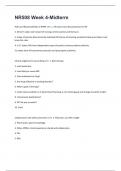
Roles and Responsibilities of APRN ANS: 1. All states have title protection for NP
2. All but 5 states stat's board of nursing control practice and licensure.
3. Scope of practice determined by individual NP license of licensing jurisdiction.New prescribers must
know the rules
4. in 17 states, NPs have independent scope of practice and prescriptive authority.
5.6 states have full autonomous practice and prescriptive authority.
Clinical Judgement in prescribing ANS: 1. Best therapy
2. Least expensive
3. Least likely to cause ADR
4. Clear indication for drug?
5. Are drugs effective in treating disorder?
6. What is goal of therapy?
7. Under what conditions is it determined that drug is not meeting goal and change should be made?
8. Unnecessary duplications?
9. OTC be just as useful?
10. Cost?
Collaboration with other prescribers ANS: 1. Physician: can offer insight
2. Pharmacists: pharm knowledge
3. Other APRNs: clinical experience shared and collaboration
4. PAs
5. RNs.
,Autonomy and prescriptive authority ANS: 1. More states are broadening and expanding legal,
reimbursement, and prescriptive authority.
2. Gains can be reversed, so address concerns.
3. Some push for physician control.
Alpha2Agonists: MOA ANS: 1. Activation of central alpha 2 receptors results in inhibition of
cardioacceleration and vasoconstriction centers in brain.
2. Lead to decrease in peripheral outflow of norepinephrine which leads to decrease in:
a. peripheral resistance
b. renal vascular resistance
c. heart rate
d. blood pressure
3. Decrease in BP is due to sympathetic function therefore sodium retention and increased blood
volume may occur: give with diuretic.
4. Second or third line HTN drug treatment.
Alpha2Agonists: Drugs in class ANS: 1. Clonidine
2. guanabenz
3. guanfacine
4. methyldopa.
Alpha2Agonists: Clonidine, off-label use ANS: Tx of withdrawal d/t ability to lower adrenergic stimulation
associated with withdrawal.
Alpha2Agonists: ADRs ANS: Oral and transdermal doses:
bradycardia, AV block, palpitations, tachycardia, hallucinations, sleep disorders, contact dermatitis, dry
mouth, orthostatic hypotension, constipation, nausea, urinary retention, decreased sexual activity,
weight gain, leg gramps, and thrombocytopenia.
, MOST COMMON: dry mouth
Alpha2Agonists: Discontinue instructions ANS: Do not stop abruptly d/t lack of alpha 2 receptors impair
homeostatic balance that regulates SNS:
Gradual taper over 4 days.
Alpha2Agonists: Guanabenz and guanfacine ANS: 1. Used to treat HTN.
2. EXR guanfacine: ADHD
Alpha2Agonists: Methyldopa ANS: 1. Parallels synthesis of norepinephrine (NE)
2. Stimulation by this metabolite: decrease in sympathetic outflow to the heart, kidneys, and blood
vessels.
3. End result: decreased in BP, peripheral resistance, HR, sl. decrease in CO. Produces renal vascular
resistance.
4. Positive coombs test
5. Rarely hemolytic anemia.
Beta-adrenergic antagonists: affects on body systems ANS: 1. Heart: Highest # of receptors are in heart:
decreased HR in rapid rhythms, angina, BP, reflex orthostatic tachycardia.
2. Renal: Receptors in juxtaglomerular apparatus of kidney reduces release of renin. Decrease in BP.
3. Respiratory: Receptors interfere with endogenous adrenergic bronchodilator activity therefore
increase airway restriction which is problem in pt with reactive airway diseases like asthma.
4. Ocular: Decrease intraocular pressure.
5. Metabolic and endocrine: Inhibit lipolysis resulting in increased TG and Cholesterol and decreased
HDL. Also increased glucose production and inhibits insulin secretion.
Beta-adrenergic antagonists: ADRs ANS: Usually mild and transient and rarely require d/c of drug.
1. Cardiovascular: Bradycardia, CHF with pulm edema, hypotension
Roles and Responsibilities of APRN ANS: 1. All states have title protection for NP
2. All but 5 states stat's board of nursing control practice and licensure.
3. Scope of practice determined by individual NP license of licensing jurisdiction.New prescribers must
know the rules
4. in 17 states, NPs have independent scope of practice and prescriptive authority.
5.6 states have full autonomous practice and prescriptive authority.
Clinical Judgement in prescribing ANS: 1. Best therapy
2. Least expensive
3. Least likely to cause ADR
4. Clear indication for drug?
5. Are drugs effective in treating disorder?
6. What is goal of therapy?
7. Under what conditions is it determined that drug is not meeting goal and change should be made?
8. Unnecessary duplications?
9. OTC be just as useful?
10. Cost?
Collaboration with other prescribers ANS: 1. Physician: can offer insight
2. Pharmacists: pharm knowledge
3. Other APRNs: clinical experience shared and collaboration
4. PAs
5. RNs.
,Autonomy and prescriptive authority ANS: 1. More states are broadening and expanding legal,
reimbursement, and prescriptive authority.
2. Gains can be reversed, so address concerns.
3. Some push for physician control.
Alpha2Agonists: MOA ANS: 1. Activation of central alpha 2 receptors results in inhibition of
cardioacceleration and vasoconstriction centers in brain.
2. Lead to decrease in peripheral outflow of norepinephrine which leads to decrease in:
a. peripheral resistance
b. renal vascular resistance
c. heart rate
d. blood pressure
3. Decrease in BP is due to sympathetic function therefore sodium retention and increased blood
volume may occur: give with diuretic.
4. Second or third line HTN drug treatment.
Alpha2Agonists: Drugs in class ANS: 1. Clonidine
2. guanabenz
3. guanfacine
4. methyldopa.
Alpha2Agonists: Clonidine, off-label use ANS: Tx of withdrawal d/t ability to lower adrenergic stimulation
associated with withdrawal.
Alpha2Agonists: ADRs ANS: Oral and transdermal doses:
bradycardia, AV block, palpitations, tachycardia, hallucinations, sleep disorders, contact dermatitis, dry
mouth, orthostatic hypotension, constipation, nausea, urinary retention, decreased sexual activity,
weight gain, leg gramps, and thrombocytopenia.
, MOST COMMON: dry mouth
Alpha2Agonists: Discontinue instructions ANS: Do not stop abruptly d/t lack of alpha 2 receptors impair
homeostatic balance that regulates SNS:
Gradual taper over 4 days.
Alpha2Agonists: Guanabenz and guanfacine ANS: 1. Used to treat HTN.
2. EXR guanfacine: ADHD
Alpha2Agonists: Methyldopa ANS: 1. Parallels synthesis of norepinephrine (NE)
2. Stimulation by this metabolite: decrease in sympathetic outflow to the heart, kidneys, and blood
vessels.
3. End result: decreased in BP, peripheral resistance, HR, sl. decrease in CO. Produces renal vascular
resistance.
4. Positive coombs test
5. Rarely hemolytic anemia.
Beta-adrenergic antagonists: affects on body systems ANS: 1. Heart: Highest # of receptors are in heart:
decreased HR in rapid rhythms, angina, BP, reflex orthostatic tachycardia.
2. Renal: Receptors in juxtaglomerular apparatus of kidney reduces release of renin. Decrease in BP.
3. Respiratory: Receptors interfere with endogenous adrenergic bronchodilator activity therefore
increase airway restriction which is problem in pt with reactive airway diseases like asthma.
4. Ocular: Decrease intraocular pressure.
5. Metabolic and endocrine: Inhibit lipolysis resulting in increased TG and Cholesterol and decreased
HDL. Also increased glucose production and inhibits insulin secretion.
Beta-adrenergic antagonists: ADRs ANS: Usually mild and transient and rarely require d/c of drug.
1. Cardiovascular: Bradycardia, CHF with pulm edema, hypotension


