

Unit 12 C Assignment
I am working as a volunteer for an international charity whose aims are to overcome the threats to people’s
health created by outbreaks of serious infectious diseases caused by bacteria, viruses, fungi, parasites, or
protozoa. The charity runs several programmes that work with communities around the world to reduce the
extent and impact of the diseases. My role as a volunteer is to help research the various antimicrobial,
anthelmintic, vaccine, immunoglobulin and rehydration therapies being used to treat a range of infectious
diseases so that published information regarding the charity’s work can be kept up to date. I will use my
research to produce a report that evaluates, compares, and describes the different treatment methods and the
suitability, problems, and contraindications to their uses.
Cholera
Antibiotics such as doxycycline, and oral rehydration can be used to treat bacterial diseases such as cholera, in
order to eliminate pathogens such as vibrio cholerae which causes cholera.
Antibiotics
How are Antibiotics Administered ?
Antibiotics such as doxycycline, can be administered in a variety of different ways, this includes.
Orally
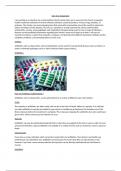
The majority of antibiotics are taken orally, this can be in the form of liquid, tablets or capsules. It is vital that
you take antibiotics as exactly prescribed by your doctor or healthcare professional, this includes even if the
illness improves before the treatment is complete. This is because stopping the antibiotics too soon could leave
germs alive, which could cause the infection to recur.
Topically
Antibiotics can also be administered topically this is where they are applied to the skin or eyes in order to treat
and prevent infection, topical antibiotics are available in a variety of forms such as ointments, creams, sprays or
drops.
Intravenously
If you have a serious infection which cannot be treated with oral antibiotics, then doctors and health care
professionals can administer your antibiotics intravenously, this means that they are injected into a vein,
however if you have a more serious infection the injection can be directly administered into the blood or
muscle.
Inhalation
I am working as a volunteer for an international charity whose aims are to overcome the threats to people’s
health created by outbreaks of serious infectious diseases caused by bacteria, viruses, fungi, parasites, or
protozoa. The charity runs several programmes that work with communities around the world to reduce the
extent and impact of the diseases. My role as a volunteer is to help research the various antimicrobial,
anthelmintic, vaccine, immunoglobulin and rehydration therapies being used to treat a range of infectious
diseases so that published information regarding the charity’s work can be kept up to date. I will use my
research to produce a report that evaluates, compares, and describes the different treatment methods and the
suitability, problems, and contraindications to their uses.
Cholera
Antibiotics such as doxycycline, and oral rehydration can be used to treat bacterial diseases such as cholera, in
order to eliminate pathogens such as vibrio cholerae which causes cholera.
Antibiotics
How are Antibiotics Administered ?
Antibiotics such as doxycycline, can be administered in a variety of different ways, this includes.
Orally
The majority of antibiotics are taken orally, this can be in the form of liquid, tablets or capsules. It is vital that
you take antibiotics as exactly prescribed by your doctor or healthcare professional, this includes even if the
illness improves before the treatment is complete. This is because stopping the antibiotics too soon could leave
germs alive, which could cause the infection to recur.
Topically
Antibiotics can also be administered topically this is where they are applied to the skin or eyes in order to treat
and prevent infection, topical antibiotics are available in a variety of forms such as ointments, creams, sprays or
drops.
Intravenously
If you have a serious infection which cannot be treated with oral antibiotics, then doctors and health care
professionals can administer your antibiotics intravenously, this means that they are injected into a vein,
however if you have a more serious infection the injection can be directly administered into the blood or
muscle.
Inhalation


