,ALL RIGHTS RESERVED 2025
h. h. h.
No part of this work covered by the copyright
h. h. h. h. h. h. h. h.
h.hereon may be reproduced or used in any fo
h. h. h. h. h. h. h. h.
rm or by any means -
h. h. h. h. h.
h.electronic or mechanical, including photocoph. h. h. h.
ying – h.
h.without the written permission of the author
h. h. h. h. h. h.
.
ISBN 978-621-95096-0-2
h.
Published by: h.
BANDOLIN ENTERPRISE h.
No. 100 Montebello Village, Bakakeng Sur, Baguio City 2600, Philippines
h. h. h. h. h. h. h. h. h.
TABLE OF CONTENTS h. h.
CHAPTER 1 h.
OVERVIEW OF ACCOUNTING ............................................................3
h. h.
CHAPTER 1: THEORY OF ACCOUNTS REVIEWER ............................................. 3
H. H. H. H. H.
CHAPTER 1 - SUGGESTED ANSWERS TO THEORY OF ACCOUNTS QUESTIONS 22
H. H. H. H. H. H. H. H. H.
CHAPTER 2 h.
THE ACCOUNTING PROCESS .......................................................... 24
h. h.
CHAPTER 2: MULTIPLE CHOICE – COMPUTATIONAL (SET B) – (FOR CLASSROOM INSTRUCTION PURPOSES)
H. H. H. H. H. H. H. H. H. H. H. H. 24
CHAPTER 2: THEORY OF ACCOUNTS REVIEWER .......................................... 26
H. H. H. H. H.
CHAPTER 2 - SUGGESTED ANSWERS TO THEORY OF ACCOUNTS QUESTIONS 36
H. H. H. H. H. H. H. H. H.
CHAPTER 3 h.
THE CONCEPTUAL FRAMEWORK FOR FINANCIAL REPORTING 36
h. h. h. h. h. h.
CHAPTER 3: MULTIPLE CHOICE – COMPUTATIONAL (SET B) – (FOR CLASSROOM INSTRUCTION PURPOSES)
H. H. H. H. H. H. H. H. H. H. H. H. 36
CHAPTER 3: THEORY OF ACCOUNTS REVIEWER .......................................... 37
H. H. H. H. H.
CHAPTER 3 - SUGGESTED ANSWERS TO REVIEW THEORY QUESTIONS .. 54
H. H. H. H. H. H. H. H.
CHAPTER 4 h.
CASH & CASH EQUIVALENTS ....................................................... 54
h. h. h.
CHAPTER 4: MULTIPLE CHOICE – COMPUTATIONAL (SET B) – (FOR CLASSROOM INSTRUCTION PURPOSES)
H. H. H. H. H. H. H. H. H. H. H. H. 54
CHAPTER 4: THEORY OF ACCOUNTS REVIEWER .......................................... 57
H. H. H. H. H.
CHAPTER 4 - SUGGESTED ANSWERS TO THEORY OF ACCOUNTS QUESTIONS 65
H. H. H. H. H. H. H. H. H.
CHAPTER 5 h.
RECEIVABLES (PART 1).................................................................. 66
h. h.
CHAPTER 5: MULTIPLE CHOICE – COMPUTATIONAL (SET B) – (FOR CLASSROOM INSTRUCTION PURPOSES)
H. H. H. H. H. H. H. H. H. H. H. H. 66
CHAPTER 5: THEORY OF ACCOUNTS REVIEWER .......................................... 69
H. H. H. H. H.
CHAPTER 5 - SUGGESTED ANSWERS TO THEORY OF ACCOUNTS QUESTIONS 75
H. H. H. H. H. H. H. H. H.
CHAPTER 6 h.
RECEIVABLES (PART 2).................................................................. 75
h. h.
CHAPTER 6: MULTIPLE CHOICE – COMPUTATIONAL (SET B) – (FOR CLASSROOM INSTRUCTION PURPOSES)
H. H. H. H. H. H. H. H. H. H. H. H. 75
CHAPTER 6: THEORY OF ACCOUNTS REVIEWER .......................................... 78
H. H. H. H. H.
CHAPTER 6 - SUGGESTED ANSWERS TO THEORY OF ACCOUNTS QUESTIONS 82
H. H. H. H. H. H. H. H. H.
CHAPTER 7 h.
, CHAPTER 7 - SUGGESTED ANSWERS TO THEORY OF ACCOUNTS QUESTIONS 92
H. H. H. H. H. H. H. H. H.
CHAPTER h . h . h . h . h . h . h . h . h . h . h . h . h . h . h . h . h . h . h . h . h . h
. h . h . h . 8 h . h . INVENTORIES ............................................................ 92
CHAPTER 8: MULTIPLE CHOICE – COMPUTATIONAL (SET B) – (FOR CLASSROOM INSTRUCTION PURPOSES)
H. H. H. H. H. H. H. H. H. H. H. H. 92
CHAPTER 8: THEORY OF ACCOUNTS REVIEWER .......................................... 97
H. H. H. H. H.
CHAPTER 8 - SUGGESTED ANSWERS TO THEORY OF ACCOUNTS QUESTIONS 109
H. H. H. H. H. H. H. H. H.
CHAPTER 9 h.
INVESTMENTS (PART 1) .............................................................. 109
h. h.
CHAPTER 9: MULTIPLE CHOICE – COMPUTATIONAL (SET B) – (FOR CLASSROOM INSTRUCTION PURPOSES)
H. H. H. H. H. H. H. H. H. H. H. H. 109
CHAPTER 9: THEORY OF ACCOUNTS REVIEWER ........................................112
H. H. H. H. H.
CHAPTER 9 - SUGGESTED ANSWERS TO THEORY OF ACCOUNTS QUESTIONS 122
H. H. H. H. H. H. H. H. H.
CHAPTER 10 h.
INVESTMENTS (PART 2) .............................................................. 122
h. h.
CHAPTER 10: MULTIPLE CHOICE – COMPUTATIONAL (SET B) – (FOR CLASSROOM INSTRUCTION PURPOSES)
H. H. H. H. H. H. H. H. H. H. H. H. 122
CHAPTER 10: THEORY OF ACCOUNTS REVIEWER .....................................127
H. H. H. H. H.
CHAPTER 10 - SUGGESTED ANSWERS TO THEORY OF ACCOUNTS QUESTIONS 134
H. H. H. H. H. H. H. H. H.
CHAPTER 11 h.
INVESTMENTS (PART 3) .............................................................. 135
h. h.
CHAPTER 11: MULTIPLE CHOICE – COMPUTATIONAL (SET B) – (FOR CLASSROOM INSTRUCTION PURPOSES)
H. H. H. H. H. H. H. H. H. H. H. H. 135
CHAPTER 11: THEORY OF ACCOUNTS REVIEWER .....................................135
H. H. H. H. H.
CHAPTER 11 - SUGGESTED ANSWERS TO THEORY OF ACCOUNTS QUESTIONS 137
H. H. H. H. H. H. H. H. H.
Chapter 1 Overview of A h. h. h. h.
ccounting
Chapter 1: Theory of Accounts Reviewe
h. h. h. h. h.
r Definition of Accounting
h. h. h.
1. Accounting has been given various definitions, which of the following is not one of those definitions
h. h. h. h. h. h. h. h. h. h. h. h. h. h. h.
a. Accounting is a service activity. Its function is to provide quantitative information, primarily financial in n
h. h. h. h. h. h. h. h. h. h. h. h. h. h. h.
ature, about economic entities that is intended to be useful in making economic decisions.
h. h. h. h. h. h. h. h. h. h. h. h. h.
b. Accounting is the art of recording, classifying, and summarizing in a significant manner and in terms of m
h. h. h. h. h. h. h. h. h. h. h. h. h. h. h. h. h.
oney, transactions and events which are, in part of at least, of a financial character and interpreting the re
h. h. h. h. h. h. h. h. h. h. h. h. h. h. h. h. h. h.
sults thereof. h.
c. Accounting is a systematic process of objectively obtaining and evaluating evidence regarding assertions
h. h. h. h. h. h. h. h. h. h. h. h. h.
about economic actions and events to ascertain the degree of correspondence between these assertions
h. h. h. h. h. h. h. h. h. h. h. h. h. h .
and established criteria and communicating the results to interested users.
h. h. h. h. h. h. h. h. h.
d. Accounting is the process of identifying, measuring, and communicating economic information to permit i
h. h. h. h. h. h. h. h. h. h. h. h. h.
nformed judgment and decisions by users of information. h. h. h. h. h. h. h.
2. It is the first process used in accounting. It refers to the identification of events as to whether
h . h . h . h . h . h . h . h . h . h . h . h . h . h . h . h . h . h .
they are recognized or not in the financial statements.
h . h. h. h. h. h. h. h.
a. Identifying
h. b. Measuring c. Communicating d. Auditing h. h . h. h.
3. The following statements correctly refer to the accounting process.
h. h. h. h. h. h. h. h.
I. Measuring is the accounting process of analyzing business activities as to whether or not they will be rec
h. h. h. h. h. h. h. h. h. h. h. h. h. h. h. h. h.
ognized in the books. h. h. h.
II. Recognition refers to the process of including the effects of an event in the totals of the statement of finan
h. h. h. h. h. h. h. h. h. h. h. h. h. h. h. h. h. h. h.
cial position or the statement of profit or loss and other comprehensive income through memo entries.
h. h. h. h. h. h. h. h. h. h. h. h. h. h. h .
III. Disclosure of events in the notes to financial statement without including in the totals of the statement of
h. h. h. h. h. h. h. h. h. h. h. h. h. h. h. h. h. h.
financial position or statement of profit or loss and other comprehensive income is not an application of t
h. h. h. h. h. h. h. h. h. h. h. h. h. h. h. h. h.
he recognition principle. h. h.
IV. An accountable event is an event that has an effect on the assets, liabilities or equity of an entity and its e
h. h. h. h. h. h. h. h. h. h. h. h. h. h. h. h. h. h. h. h. h.
ffect can be measured reliably. h. h. h. h.
V. Sociological and psychological matters are within the scope of accounting. h. h. h. h. h. h. h. h. h.
a. I, II, III, IV, V
h. h. h. b. I, II, III, IV
h. c. IV d. III, IV
h. h. h. h. h. h. h. h.
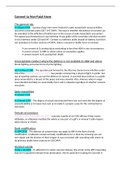
Types of Events h. h.
, b. Non-reciprocal transfers
h. d. Internal events
h. h.
h. h. h.
No part of this work covered by the copyright
h. h. h. h. h. h. h. h.
h.hereon may be reproduced or used in any fo
h. h. h. h. h. h. h. h.
rm or by any means -
h. h. h. h. h.
h.electronic or mechanical, including photocoph. h. h. h.
ying – h.
h.without the written permission of the author
h. h. h. h. h. h.
.
ISBN 978-621-95096-0-2
h.
Published by: h.
BANDOLIN ENTERPRISE h.
No. 100 Montebello Village, Bakakeng Sur, Baguio City 2600, Philippines
h. h. h. h. h. h. h. h. h.
TABLE OF CONTENTS h. h.
CHAPTER 1 h.
OVERVIEW OF ACCOUNTING ............................................................3
h. h.
CHAPTER 1: THEORY OF ACCOUNTS REVIEWER ............................................. 3
H. H. H. H. H.
CHAPTER 1 - SUGGESTED ANSWERS TO THEORY OF ACCOUNTS QUESTIONS 22
H. H. H. H. H. H. H. H. H.
CHAPTER 2 h.
THE ACCOUNTING PROCESS .......................................................... 24
h. h.
CHAPTER 2: MULTIPLE CHOICE – COMPUTATIONAL (SET B) – (FOR CLASSROOM INSTRUCTION PURPOSES)
H. H. H. H. H. H. H. H. H. H. H. H. 24
CHAPTER 2: THEORY OF ACCOUNTS REVIEWER .......................................... 26
H. H. H. H. H.
CHAPTER 2 - SUGGESTED ANSWERS TO THEORY OF ACCOUNTS QUESTIONS 36
H. H. H. H. H. H. H. H. H.
CHAPTER 3 h.
THE CONCEPTUAL FRAMEWORK FOR FINANCIAL REPORTING 36
h. h. h. h. h. h.
CHAPTER 3: MULTIPLE CHOICE – COMPUTATIONAL (SET B) – (FOR CLASSROOM INSTRUCTION PURPOSES)
H. H. H. H. H. H. H. H. H. H. H. H. 36
CHAPTER 3: THEORY OF ACCOUNTS REVIEWER .......................................... 37
H. H. H. H. H.
CHAPTER 3 - SUGGESTED ANSWERS TO REVIEW THEORY QUESTIONS .. 54
H. H. H. H. H. H. H. H.
CHAPTER 4 h.
CASH & CASH EQUIVALENTS ....................................................... 54
h. h. h.
CHAPTER 4: MULTIPLE CHOICE – COMPUTATIONAL (SET B) – (FOR CLASSROOM INSTRUCTION PURPOSES)
H. H. H. H. H. H. H. H. H. H. H. H. 54
CHAPTER 4: THEORY OF ACCOUNTS REVIEWER .......................................... 57
H. H. H. H. H.
CHAPTER 4 - SUGGESTED ANSWERS TO THEORY OF ACCOUNTS QUESTIONS 65
H. H. H. H. H. H. H. H. H.
CHAPTER 5 h.
RECEIVABLES (PART 1).................................................................. 66
h. h.
CHAPTER 5: MULTIPLE CHOICE – COMPUTATIONAL (SET B) – (FOR CLASSROOM INSTRUCTION PURPOSES)
H. H. H. H. H. H. H. H. H. H. H. H. 66
CHAPTER 5: THEORY OF ACCOUNTS REVIEWER .......................................... 69
H. H. H. H. H.
CHAPTER 5 - SUGGESTED ANSWERS TO THEORY OF ACCOUNTS QUESTIONS 75
H. H. H. H. H. H. H. H. H.
CHAPTER 6 h.
RECEIVABLES (PART 2).................................................................. 75
h. h.
CHAPTER 6: MULTIPLE CHOICE – COMPUTATIONAL (SET B) – (FOR CLASSROOM INSTRUCTION PURPOSES)
H. H. H. H. H. H. H. H. H. H. H. H. 75
CHAPTER 6: THEORY OF ACCOUNTS REVIEWER .......................................... 78
H. H. H. H. H.
CHAPTER 6 - SUGGESTED ANSWERS TO THEORY OF ACCOUNTS QUESTIONS 82
H. H. H. H. H. H. H. H. H.
CHAPTER 7 h.
, CHAPTER 7 - SUGGESTED ANSWERS TO THEORY OF ACCOUNTS QUESTIONS 92
H. H. H. H. H. H. H. H. H.
CHAPTER h . h . h . h . h . h . h . h . h . h . h . h . h . h . h . h . h . h . h . h . h . h
. h . h . h . 8 h . h . INVENTORIES ............................................................ 92
CHAPTER 8: MULTIPLE CHOICE – COMPUTATIONAL (SET B) – (FOR CLASSROOM INSTRUCTION PURPOSES)
H. H. H. H. H. H. H. H. H. H. H. H. 92
CHAPTER 8: THEORY OF ACCOUNTS REVIEWER .......................................... 97
H. H. H. H. H.
CHAPTER 8 - SUGGESTED ANSWERS TO THEORY OF ACCOUNTS QUESTIONS 109
H. H. H. H. H. H. H. H. H.
CHAPTER 9 h.
INVESTMENTS (PART 1) .............................................................. 109
h. h.
CHAPTER 9: MULTIPLE CHOICE – COMPUTATIONAL (SET B) – (FOR CLASSROOM INSTRUCTION PURPOSES)
H. H. H. H. H. H. H. H. H. H. H. H. 109
CHAPTER 9: THEORY OF ACCOUNTS REVIEWER ........................................112
H. H. H. H. H.
CHAPTER 9 - SUGGESTED ANSWERS TO THEORY OF ACCOUNTS QUESTIONS 122
H. H. H. H. H. H. H. H. H.
CHAPTER 10 h.
INVESTMENTS (PART 2) .............................................................. 122
h. h.
CHAPTER 10: MULTIPLE CHOICE – COMPUTATIONAL (SET B) – (FOR CLASSROOM INSTRUCTION PURPOSES)
H. H. H. H. H. H. H. H. H. H. H. H. 122
CHAPTER 10: THEORY OF ACCOUNTS REVIEWER .....................................127
H. H. H. H. H.
CHAPTER 10 - SUGGESTED ANSWERS TO THEORY OF ACCOUNTS QUESTIONS 134
H. H. H. H. H. H. H. H. H.
CHAPTER 11 h.
INVESTMENTS (PART 3) .............................................................. 135
h. h.
CHAPTER 11: MULTIPLE CHOICE – COMPUTATIONAL (SET B) – (FOR CLASSROOM INSTRUCTION PURPOSES)
H. H. H. H. H. H. H. H. H. H. H. H. 135
CHAPTER 11: THEORY OF ACCOUNTS REVIEWER .....................................135
H. H. H. H. H.
CHAPTER 11 - SUGGESTED ANSWERS TO THEORY OF ACCOUNTS QUESTIONS 137
H. H. H. H. H. H. H. H. H.
Chapter 1 Overview of A h. h. h. h.
ccounting
Chapter 1: Theory of Accounts Reviewe
h. h. h. h. h.
r Definition of Accounting
h. h. h.
1. Accounting has been given various definitions, which of the following is not one of those definitions
h. h. h. h. h. h. h. h. h. h. h. h. h. h. h.
a. Accounting is a service activity. Its function is to provide quantitative information, primarily financial in n
h. h. h. h. h. h. h. h. h. h. h. h. h. h. h.
ature, about economic entities that is intended to be useful in making economic decisions.
h. h. h. h. h. h. h. h. h. h. h. h. h.
b. Accounting is the art of recording, classifying, and summarizing in a significant manner and in terms of m
h. h. h. h. h. h. h. h. h. h. h. h. h. h. h. h. h.
oney, transactions and events which are, in part of at least, of a financial character and interpreting the re
h. h. h. h. h. h. h. h. h. h. h. h. h. h. h. h. h. h.
sults thereof. h.
c. Accounting is a systematic process of objectively obtaining and evaluating evidence regarding assertions
h. h. h. h. h. h. h. h. h. h. h. h. h.
about economic actions and events to ascertain the degree of correspondence between these assertions
h. h. h. h. h. h. h. h. h. h. h. h. h. h .
and established criteria and communicating the results to interested users.
h. h. h. h. h. h. h. h. h.
d. Accounting is the process of identifying, measuring, and communicating economic information to permit i
h. h. h. h. h. h. h. h. h. h. h. h. h.
nformed judgment and decisions by users of information. h. h. h. h. h. h. h.
2. It is the first process used in accounting. It refers to the identification of events as to whether
h . h . h . h . h . h . h . h . h . h . h . h . h . h . h . h . h . h .
they are recognized or not in the financial statements.
h . h. h. h. h. h. h. h.
a. Identifying
h. b. Measuring c. Communicating d. Auditing h. h . h. h.
3. The following statements correctly refer to the accounting process.
h. h. h. h. h. h. h. h.
I. Measuring is the accounting process of analyzing business activities as to whether or not they will be rec
h. h. h. h. h. h. h. h. h. h. h. h. h. h. h. h. h.
ognized in the books. h. h. h.
II. Recognition refers to the process of including the effects of an event in the totals of the statement of finan
h. h. h. h. h. h. h. h. h. h. h. h. h. h. h. h. h. h. h.
cial position or the statement of profit or loss and other comprehensive income through memo entries.
h. h. h. h. h. h. h. h. h. h. h. h. h. h. h .
III. Disclosure of events in the notes to financial statement without including in the totals of the statement of
h. h. h. h. h. h. h. h. h. h. h. h. h. h. h. h. h. h.
financial position or statement of profit or loss and other comprehensive income is not an application of t
h. h. h. h. h. h. h. h. h. h. h. h. h. h. h. h. h.
he recognition principle. h. h.
IV. An accountable event is an event that has an effect on the assets, liabilities or equity of an entity and its e
h. h. h. h. h. h. h. h. h. h. h. h. h. h. h. h. h. h. h. h. h.
ffect can be measured reliably. h. h. h. h.
V. Sociological and psychological matters are within the scope of accounting. h. h. h. h. h. h. h. h. h.
a. I, II, III, IV, V
h. h. h. b. I, II, III, IV
h. c. IV d. III, IV
h. h. h. h. h. h. h. h.
Types of Events h. h.
, b. Non-reciprocal transfers
h. d. Internal events
h. h.