
TCI
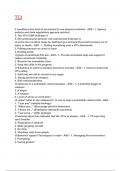
3 conditions that have to be present to use physical restraint - ANS - 1. Agency
policies and state regulations approve restraint
2. The YP's ICMP indicates it
3. Our professional dynamic risk assessment indicates it.
\3 errors that could be made by staff during a restraint that could increase ris of
injury or death - ANS - 1. Putting something near a YP's face/mouth
2. Putting pressure on chest or back
3. Holding joints
\3 goals of emotional first aid - ANS - 1. Provide immediate help and support ti
reduce emotional instability
2. Resolve the immediate crisis
3. Keep the child in the program
\3 Situations in which a restraint should be avoided - ANS - 1. Cannot control the
YP's safety
2. Staff (we) are not in control or too angry
3. Young person has weapon
4. Risk retraumatization
\4 elements to a potentially violent situation - ANS - 1. A potential trigger to
violence
2. A target
3. A weapon
4. Level of stress or motivation
\4 verbal "what to say statements" to use to help a potentially violent child - ANS -
1. "I can see" (validate feelings)
2. "When you..." (Encourage positive behaviors)
3. "I know we..." (Emphasize desirable outcomes)
4. "I am sorry..." (offer apology)
\5 warning signs that indicates that the YP is in danger - ANS - 1. YP says they
can't breathe
2. Respiration is labored
3. Make gurgling sounds
4. Go limp
5. Vomiting, skin turns purple
\8 Behavior support Techniques in order - ANS - 1. Managing the environment
2. Prompting
3. Caring gesture
3 conditions that have to be present to use physical restraint - ANS - 1. Agency
policies and state regulations approve restraint
2. The YP's ICMP indicates it
3. Our professional dynamic risk assessment indicates it.
\3 errors that could be made by staff during a restraint that could increase ris of
injury or death - ANS - 1. Putting something near a YP's face/mouth
2. Putting pressure on chest or back
3. Holding joints
\3 goals of emotional first aid - ANS - 1. Provide immediate help and support ti
reduce emotional instability
2. Resolve the immediate crisis
3. Keep the child in the program
\3 Situations in which a restraint should be avoided - ANS - 1. Cannot control the
YP's safety
2. Staff (we) are not in control or too angry
3. Young person has weapon
4. Risk retraumatization
\4 elements to a potentially violent situation - ANS - 1. A potential trigger to
violence
2. A target
3. A weapon
4. Level of stress or motivation
\4 verbal "what to say statements" to use to help a potentially violent child - ANS -
1. "I can see" (validate feelings)
2. "When you..." (Encourage positive behaviors)
3. "I know we..." (Emphasize desirable outcomes)
4. "I am sorry..." (offer apology)
\5 warning signs that indicates that the YP is in danger - ANS - 1. YP says they
can't breathe
2. Respiration is labored
3. Make gurgling sounds
4. Go limp
5. Vomiting, skin turns purple
\8 Behavior support Techniques in order - ANS - 1. Managing the environment
2. Prompting
3. Caring gesture


