
Adolescence
★ Transitional period from childhood to adulthood
○ Puberty (sexual maturation) → Achievement of independent adult status
○ Belief: “Storm and stress”
■ Crave social acceptance but feel socially disconnected (tension!)
■ Now seen as a time of vitality → form new friendships & explore our
identity without adult responsibilities
a. Physical Development
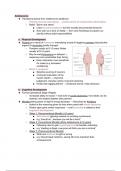
★ Puberty as a result of hormones intensifying moods & triggering primary (reproductive
organs) & secondary bodily changes
○ Females usually at 8-13 years; Males
usually at 9-14 years
○ May be early/precocious or delayed →
sequence more predictable than timing
■ Early maturation more beneficial
for males (e.g increased
confidence)
○ Work in progress!
■ Selective pruning of neurons
■ continued maturation of the
myelin sheath → improved
judgement, impulse control, long term planning
■ frontal lobe lagging behind → emotional storms, risky behaviour
b. Cognitive Development
★ Formal Operational Stage (Piaget)
○ Increased ability to reason = new level of social awareness, how ideals can be
reached, and heated debates with parents!
★ Morality (being aware of right & wrong) develops → Described by Kohlberg
○ looked at the reasoning given by kids when posed with moral dilemmas
○ Similar ages gave similar responses → one’s morality is related to their
cognitive development
○ Stage 1: Preconventional Morality (<9 years)
■ Self interest (gaining rewards or avoiding punishment)
■ e.g “should do…because you will be a hero!”
○ Stage 2: Conventional Morality (Early adolescence 9-16 years)
■ Following rules to gain social approval & maintain order/duty
■ e.g “stealing is illegal, everyone will think you are a criminal”
○ Stage 3: Postconventional Morality
■ What one believes is right or wrong
■ e.g “should steal medicine, saving life more important than
consequences”


