
1
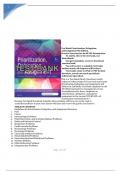
Test Bank Prioritization, Delegation,
bg bg bg
andAssignment 4th Edition.
bg g
b bg bg
Practice Exercises for the NCLEX Examination bg bg bg bg bg
To clarify, this is the test bank, not
bg bg bg bg bg bg bg
thetextbook.
bg g
b
You get immediate access to download bg bg bg bg bg
yourtest bank.
bg g
b bg
You will receive a complete test bank; bg bg bg bg bg bg
inother words, all chapters will be there.
bg g
b bg bg bg bg bg bg
Test banks come in ePub or PDF format; bg bg bg bg bg bg bg
therefore, you do not need specialized
bg bg bg bg bg bg
softwareto open them.
bg g
b bg bg
This is a Test Bank (Study Questions) which bg bg bg bg bg bg bg
helpsyou better prepare for your tests and exams. bg b
g bg bg bg bg bg bg bg
Prioritization Delegation and Assignment 4th bg bg bg bg
Edition by LaCharity Test Bank emphasis on the bg bg bg bg bg bg bg bg
NCLEX Examination’s management-of-care bg bg bg
focusaddresses the heavy emphasis on bg b
g bg bg bg bg
prioritization, delegation, and patient bg bg bg bg
assignment in the current NCLEX-RN® bg bg bg bg bg
Examination and much more! bg bg bg bg
Nursing Test Bank Download instantly after purchase will have you on the road to
bg bg bg bg bg bg bg bg bg bg bg bg bg
academicexcellence to pass your classes with ease and receive the grades you deserve!
bg b
g bg bg bg bg bg bg bg bg bg bg bg bg
TABLE OF CONTENTS
bg bg
Guidelines for Prioritization, Delegation, and Assignment Decisions
bg bg bg bg bg bg
1. Pain
2. Cancer
3. Immunologic Problems bg
4. Fluid, Electrolyte, and Acid-Base Balance Problems
bg bg bg bg bg
5. Safety and Infection Control
bg bg bg
6. Respiratory Problems bg
7. Cardiovascular Problems bg
8. Hematologic Problems bg
9. Neurologic Problems bg
10. Visual and Auditory Problems
bg bg bg
11. Musculoskeletal Problems bg
12. Gastrointestinal and Nutritional Problems bg bg bg
13. Diabetes Mellitus bg
14. Other Endocrine Problems
bg bg
15. Integumentary Problems bg
Page 1 of 147
,16. Renal and Urinary Problems
bg bg bg
17. Reproductive Problems bg
18. Problems in Pregnancy and Childbearing
bg bg bg bg
19. Pediatric Problems
bg
20. Pharmacology NEW! bg
21. Emergencies and Disasters bg bg
22. Psychiatric–Mental Health Problems bg bg
Page 2 of 147
,2
Prioritization Delegation and Assignment 4th Edition LaCharity Test Bank bg bg bg bg bg bg bg bg
Chapter 1. Pain bg bg
MULTIPLE CHOICE
bg bg
1.A client tells the nurse that she rarely experiences pain, but when she does, she seeks
bg bg bg bg bg bg bg bg bg bg bg bg bg bg bg
medicalattention. The nurse realizes this client understands that pain is important because it:
bg bg bg bg bg bg bg bg bg bg bg bg bg bg
1. is a protective system.
bg bg bg
2. includes the automatic withdrawal reflex. bg bg bg bg
3. creates sensitivity to pain. bg bg bg
4. helps with healing. bg bg
ANS: 1 bg
Pain is a protective system that includes protection from unsafe behaviors by use of reflexes,
bg bg bg bg bg bg bg bg bg bg bg bg bg bg
memory, and avoidance. Even though the automatic withdrawal reflex is a part of the pain
bg bg bg bg bg bg bg bg bg bg bg bg bg bg bg
response, it does not explain why pain is important. Pain does not create sensitivity to pain. Paindoes
bg bg bg bg bg bg bg bg bg bg bg bg bg bg bg bg bg bg
not help with healing.
bg bg bg bg
PTS: 1 DIF: Analyze REF: Definitions and Implications of Pain
bg bg bg bg bg bg bg bg bg
2.A client complains that the bed sheets touching his skin are extremely painful. The
bg bg bg bg bg bg bg bg bg bg bg bg bg
nurserealizes this client is experiencing:
bg bg bg bg bg bg
1. allodynia.
2. modulation.
3. kinesthesia.
4. proprioception.
ANS: 1 bg
Allodynia or hyperalgesia is a state where a slight or nonpainful stimulus is interpreted as verypainful.
bg bg bg bg bg bg bg bg bg bg bg bg bg bg bg bg
Kinesthesia is the awareness of movement. Proprioception is the awareness of body position.
bg bg bg bg bg bg bg bg bg bg bg bg bg
Modulation is an influencing factor in the perception of pain.
bg bg bg bg bg bg bg bg bg bg
PTS: 1 DIF: Analyze REF: Peripheral Nervous System
bg bg bg bg bg bg bg
3.A client is complaining of severe abdomen pain. The nurse realizes this client is experiencingwhich
bg bg bg bg bg bg bg bg bg bg bg bg bg bg bg
type of pain?
bg bg bg
1. Neuralgia
2. Pathological
3. Somatic
4. Visceral
ANS: 4 bg
Visceral pain is pain arising from the body organs or gastrointestinal tract. Somatic pain is painthat
bg bg bg bg bg bg bg bg bg bg bg bg bg bg bg bg
originates from the bone, joints, muscles, skin, or connective pain. Neuralgia and
bg bg bg bg bg bg bg bg bg bg bg bg
Page 3 of 147
, 3
pathological pain are both types of pain that result from injury to a nerve or malfunction of theneuronal
bg bg bg bg bg bg bg bg bg bg bg bg bg bg bg bg bg bg
transmission process or due to impaired regulation.
bg bg bg bg bg bg bg
PTS:1DIF:AnalyzeREF:Types of Pain bg bg
4.A client, diagnosed with acute appendicitis, is experiencing abdominal pain. The best way forthe
bg bg bg bg bg bg bg bg bg bg bg bg bg bg
nurse to describe this clients pain would be:
bg bg bg bg bg bg bg bg
1. chronic.
2. neuropathic.
3. referred.
4. acute.
ANS: 4 bg
Acute pain onset is sudden and of short duration. Chronic pain is a sudden or slow onset of mildto
bg bg bg bg bg bg bg bg bg bg bg bg bg bg bg bg bg bg bg
severe pain that lasts longer than 6 months. Referred pain is the result of the transfer of visceral
bg bg bg bg bg bg bg bg bg bg bg bg bg bg bg bg bg bg
pain sensations to a body surface at a distance from the actual origin. Neuropathic pain is
bg bg bg bg bg bg bg bg bg bg bg bg bg bg bg bg
paroxysmal pain that occurs along the branches of a nerve.
bg bg bg bg bg bg bg bg bg b g
PTS:1DIF:ApplyREF:Types of Pain bg bg
5.A client is observed holding a pillow over the abdominal region with both knees flexed in
bg bg bg bg bg bg bg bg bg bg bg bg bg bg bg
aside-lying position. Vital signs assessment reveals an elevated blood pressure and heart rate.
bg bg bg bg bg bg bg bg bg bg bg bg bg bg
Which of the following should the nurse say to this client?
bg bg bg bg bg bg bg bg bg bg bg
1. Can I get you anything? bg bg bg bg
2. Would you like something for pain? bg bg bg bg bg
3. You look comfortable. bg bg
4. Your blood pressure is up. bg bg bg bg
ANS: 2 bg
Sympathetic responses to pain include elevated blood pressure and heart rate. And since the client
bg bg bg bg bg bg bg bg bg bg bg bg bg bg
is hugging a pillow over the abdominal region with both knees flexed in a side-lying position, the
bg bg bg bg bg bg bg bg bg bg bg bg bg bg bg bg bg
best thing for the nurse to say to this client is Would you like something for pain? The other
bg bg bg bg bg bg bg bg bg bg bg bg bg bg bg bg bg bg bg
responses are incorrect because they do not acknowledge that the client is experiencingpain.
bg bg bg bg bg bg bg bg bg bg bg bg bg bg
PTS: 1 DIF: Apply REF: Assessing the Clinical Manifestations of Pain
bg bg bg bg bg bg bg bg bg bg
6.A client experiencing chronic pain asks the nurse why she is not prescribed Demerol like
bg bg bg bg bg bg bg bg bg bg bg bg bg bg
shereceived when she had a total knee replacement. Which of the following should the nurse
bg bg bg bg bg bg bg bg bg bg bg bg bg bg bg bg
respond to this client?
bg bg bg bg
1. You dont need something that strong.bg bg bg bg bg
2. That medication does not exist anymore.
bg bg bg bg bg
3. That medication does not last very long.
bg bg bg bg bg bg
4. It can cause you have high blood pressure.
bg bg bg bg bg bg bg
Page 4 of 147
Test Bank Prioritization, Delegation,
bg bg bg
andAssignment 4th Edition.
bg g
b bg bg
Practice Exercises for the NCLEX Examination bg bg bg bg bg
To clarify, this is the test bank, not
bg bg bg bg bg bg bg
thetextbook.
bg g
b
You get immediate access to download bg bg bg bg bg
yourtest bank.
bg g
b bg
You will receive a complete test bank; bg bg bg bg bg bg
inother words, all chapters will be there.
bg g
b bg bg bg bg bg bg
Test banks come in ePub or PDF format; bg bg bg bg bg bg bg
therefore, you do not need specialized
bg bg bg bg bg bg
softwareto open them.
bg g
b bg bg
This is a Test Bank (Study Questions) which bg bg bg bg bg bg bg
helpsyou better prepare for your tests and exams. bg b
g bg bg bg bg bg bg bg
Prioritization Delegation and Assignment 4th bg bg bg bg
Edition by LaCharity Test Bank emphasis on the bg bg bg bg bg bg bg bg
NCLEX Examination’s management-of-care bg bg bg
focusaddresses the heavy emphasis on bg b
g bg bg bg bg
prioritization, delegation, and patient bg bg bg bg
assignment in the current NCLEX-RN® bg bg bg bg bg
Examination and much more! bg bg bg bg
Nursing Test Bank Download instantly after purchase will have you on the road to
bg bg bg bg bg bg bg bg bg bg bg bg bg
academicexcellence to pass your classes with ease and receive the grades you deserve!
bg b
g bg bg bg bg bg bg bg bg bg bg bg bg
TABLE OF CONTENTS
bg bg
Guidelines for Prioritization, Delegation, and Assignment Decisions
bg bg bg bg bg bg
1. Pain
2. Cancer
3. Immunologic Problems bg
4. Fluid, Electrolyte, and Acid-Base Balance Problems
bg bg bg bg bg
5. Safety and Infection Control
bg bg bg
6. Respiratory Problems bg
7. Cardiovascular Problems bg
8. Hematologic Problems bg
9. Neurologic Problems bg
10. Visual and Auditory Problems
bg bg bg
11. Musculoskeletal Problems bg
12. Gastrointestinal and Nutritional Problems bg bg bg
13. Diabetes Mellitus bg
14. Other Endocrine Problems
bg bg
15. Integumentary Problems bg
Page 1 of 147
,16. Renal and Urinary Problems
bg bg bg
17. Reproductive Problems bg
18. Problems in Pregnancy and Childbearing
bg bg bg bg
19. Pediatric Problems
bg
20. Pharmacology NEW! bg
21. Emergencies and Disasters bg bg
22. Psychiatric–Mental Health Problems bg bg
Page 2 of 147
,2
Prioritization Delegation and Assignment 4th Edition LaCharity Test Bank bg bg bg bg bg bg bg bg
Chapter 1. Pain bg bg
MULTIPLE CHOICE
bg bg
1.A client tells the nurse that she rarely experiences pain, but when she does, she seeks
bg bg bg bg bg bg bg bg bg bg bg bg bg bg bg
medicalattention. The nurse realizes this client understands that pain is important because it:
bg bg bg bg bg bg bg bg bg bg bg bg bg bg
1. is a protective system.
bg bg bg
2. includes the automatic withdrawal reflex. bg bg bg bg
3. creates sensitivity to pain. bg bg bg
4. helps with healing. bg bg
ANS: 1 bg
Pain is a protective system that includes protection from unsafe behaviors by use of reflexes,
bg bg bg bg bg bg bg bg bg bg bg bg bg bg
memory, and avoidance. Even though the automatic withdrawal reflex is a part of the pain
bg bg bg bg bg bg bg bg bg bg bg bg bg bg bg
response, it does not explain why pain is important. Pain does not create sensitivity to pain. Paindoes
bg bg bg bg bg bg bg bg bg bg bg bg bg bg bg bg bg bg
not help with healing.
bg bg bg bg
PTS: 1 DIF: Analyze REF: Definitions and Implications of Pain
bg bg bg bg bg bg bg bg bg
2.A client complains that the bed sheets touching his skin are extremely painful. The
bg bg bg bg bg bg bg bg bg bg bg bg bg
nurserealizes this client is experiencing:
bg bg bg bg bg bg
1. allodynia.
2. modulation.
3. kinesthesia.
4. proprioception.
ANS: 1 bg
Allodynia or hyperalgesia is a state where a slight or nonpainful stimulus is interpreted as verypainful.
bg bg bg bg bg bg bg bg bg bg bg bg bg bg bg bg
Kinesthesia is the awareness of movement. Proprioception is the awareness of body position.
bg bg bg bg bg bg bg bg bg bg bg bg bg
Modulation is an influencing factor in the perception of pain.
bg bg bg bg bg bg bg bg bg bg
PTS: 1 DIF: Analyze REF: Peripheral Nervous System
bg bg bg bg bg bg bg
3.A client is complaining of severe abdomen pain. The nurse realizes this client is experiencingwhich
bg bg bg bg bg bg bg bg bg bg bg bg bg bg bg
type of pain?
bg bg bg
1. Neuralgia
2. Pathological
3. Somatic
4. Visceral
ANS: 4 bg
Visceral pain is pain arising from the body organs or gastrointestinal tract. Somatic pain is painthat
bg bg bg bg bg bg bg bg bg bg bg bg bg bg bg bg
originates from the bone, joints, muscles, skin, or connective pain. Neuralgia and
bg bg bg bg bg bg bg bg bg bg bg bg
Page 3 of 147
, 3
pathological pain are both types of pain that result from injury to a nerve or malfunction of theneuronal
bg bg bg bg bg bg bg bg bg bg bg bg bg bg bg bg bg bg
transmission process or due to impaired regulation.
bg bg bg bg bg bg bg
PTS:1DIF:AnalyzeREF:Types of Pain bg bg
4.A client, diagnosed with acute appendicitis, is experiencing abdominal pain. The best way forthe
bg bg bg bg bg bg bg bg bg bg bg bg bg bg
nurse to describe this clients pain would be:
bg bg bg bg bg bg bg bg
1. chronic.
2. neuropathic.
3. referred.
4. acute.
ANS: 4 bg
Acute pain onset is sudden and of short duration. Chronic pain is a sudden or slow onset of mildto
bg bg bg bg bg bg bg bg bg bg bg bg bg bg bg bg bg bg bg
severe pain that lasts longer than 6 months. Referred pain is the result of the transfer of visceral
bg bg bg bg bg bg bg bg bg bg bg bg bg bg bg bg bg bg
pain sensations to a body surface at a distance from the actual origin. Neuropathic pain is
bg bg bg bg bg bg bg bg bg bg bg bg bg bg bg bg
paroxysmal pain that occurs along the branches of a nerve.
bg bg bg bg bg bg bg bg bg b g
PTS:1DIF:ApplyREF:Types of Pain bg bg
5.A client is observed holding a pillow over the abdominal region with both knees flexed in
bg bg bg bg bg bg bg bg bg bg bg bg bg bg bg
aside-lying position. Vital signs assessment reveals an elevated blood pressure and heart rate.
bg bg bg bg bg bg bg bg bg bg bg bg bg bg
Which of the following should the nurse say to this client?
bg bg bg bg bg bg bg bg bg bg bg
1. Can I get you anything? bg bg bg bg
2. Would you like something for pain? bg bg bg bg bg
3. You look comfortable. bg bg
4. Your blood pressure is up. bg bg bg bg
ANS: 2 bg
Sympathetic responses to pain include elevated blood pressure and heart rate. And since the client
bg bg bg bg bg bg bg bg bg bg bg bg bg bg
is hugging a pillow over the abdominal region with both knees flexed in a side-lying position, the
bg bg bg bg bg bg bg bg bg bg bg bg bg bg bg bg bg
best thing for the nurse to say to this client is Would you like something for pain? The other
bg bg bg bg bg bg bg bg bg bg bg bg bg bg bg bg bg bg bg
responses are incorrect because they do not acknowledge that the client is experiencingpain.
bg bg bg bg bg bg bg bg bg bg bg bg bg bg
PTS: 1 DIF: Apply REF: Assessing the Clinical Manifestations of Pain
bg bg bg bg bg bg bg bg bg bg
6.A client experiencing chronic pain asks the nurse why she is not prescribed Demerol like
bg bg bg bg bg bg bg bg bg bg bg bg bg bg
shereceived when she had a total knee replacement. Which of the following should the nurse
bg bg bg bg bg bg bg bg bg bg bg bg bg bg bg bg
respond to this client?
bg bg bg bg
1. You dont need something that strong.bg bg bg bg bg
2. That medication does not exist anymore.
bg bg bg bg bg
3. That medication does not last very long.
bg bg bg bg bg bg
4. It can cause you have high blood pressure.
bg bg bg bg bg bg bg
Page 4 of 147


