,test_bank_for_college_accounting_a_practical_approach_14th_canadian_edition_jeffrey_slater__debra_good.pdfhttps://www.stuvia.com/user/parkrobertson99
test_bank_for_college_accounting_a_practical_approach_14th_canadian_edition_jeffrey_slater__debra_good.pdfhttps://www.stuvia.com/user/parkrobertson99
https://www.stuvia.com/user/parkrobertson99
TEST BANK FOR
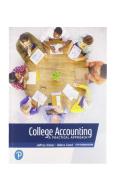
COLLEGE ACCOUNTING A PRACTICAL APPROACH 14TH CANADIAN EDITION
JEFFREY SLATER, DEBRA GOO
College Accounting, 14Ce (Slater/Good)
Chapter 1 Accounting Concepts and Procedures: An Introduction
1.1 Defining and listing the functions of accounting.
1) Which of the following professional accounting designations has been replaced by "CPA"?
A) CA
B) CMA
C) CGA
D) All of the above
Answer: D
Diff: 1 Type: MC
Objective: 1-1
2) The type of business organization that can continue indefinitely is known as a
A) sole proprietorship.
B) partnership.
C) corporation.
D) None of the above.
Answer: C
Diff: 1 Type: MC
Objective: 1-1
3) This type of business organization is subject to income tax.
A) sole proprietorship.
B) partnership.
C) corporation.
D) All of the above.
Answer: C
Diff: 1 Type: MC
Objective: 1-1
4) Putting the information into the accounting system would be called
A) analyzing.
B) recording.
C) classifying.
D) summarizing.
Answer: B
Diff: 2 Type: MC
Objective: 1-1
1
Copyright © 2021 Pearson Education, Inc.
https://www.stuvia.com/user/parkrobertson99
test_bank_for_college_accounting_a_practical_approach_14th_canadian_edition_jeffrey_slater__debra_good.pdf
https://www.stuvia.com/user/parkrobertson99
,test_bank_for_college_accounting_a_practical_approach_14th_canadian_edition_jeffrey_slater__debra_good.pdfhttps://www.stuvia.com/user/parkrobertson99
test_bank_for_college_accounting_a_practical_approach_14th_canadian_edition_jeffrey_slater__debra_good.pdfhttps://www.stuvia.com/user/parkrobertson99
https://www.stuvia.com/user/parkrobertson99
5) The purpose of the accounting process is to provide financial information about
A) sole proprietorships.
B) small businesses.
C) large corporations.
D) All of these answers are correct.
Answer: D
Diff: 2 Type: MC
Objective: 1-1
6) The advantages of a corporation do NOT include
A) limited personal risk.
B) can continue indefinitely.
C) business decisions made by career administrators.
D) easy to set up.
Answer: D
Diff: 1 Type: MC
Objective: 1-1
7) Accounting reports are least helpful in answering which of the following questions?
A) How much cash was available at the end of the last year?
B) How well were the employees treated by management?
C) Did the company make a profit for the previous year?
D) Can the company pay its debts on time?
Answer: B
Diff: 3 Type: MC
Objective: 1-1
8) Accounting provides information to
A) managers.
B) government.
C) investors.
D) All of these answers are correct
Answer: D
Diff: 2 Type: MC
Objective: 1-1
9) Which of the following is a characteristic of a sole proprietorship?
A) Business owned by more than one person
B) Easy to form
C) Each shareholder acts as an owner of the company
D) Can continue indefinitely
Answer: B
Diff: 1 Type: MC
Objective: 1-1
2
Copyright © 2021 Pearson Education, Inc.
https://www.stuvia.com/user/parkrobertson99
test_bank_for_college_accounting_a_practical_approach_14th_canadian_edition_jeffrey_slater__debra_good.pdf
https://www.stuvia.com/user/parkrobertson99
, test_bank_for_college_accounting_a_practical_approach_14th_canadian_edition_jeffrey_slater__debra_good.pdfhttps://www.stuvia.com/user/parkrobertson99
test_bank_for_college_accounting_a_practical_approach_14th_canadian_edition_jeffrey_slater__debra_good.pdfhttps://www.stuvia.com/user/parkrobertson99
https://www.stuvia.com/user/parkrobertson99
10) A partnership is a business which is
A) easy to form.
B) ends with the death of a partner.
C) owned by more than one person.
D) All of these answers are correct.
Answer: D
Diff: 1 Type: MC
Objective: 1-1
11) Which is an advantage of a sole proprietorship form of business?
A) There is limited personal risk.
B) The business can continue indefinitely.
C) The owner makes all the decisions.
D) All of these answers are correct.
Answer: C
Diff: 1 Type: MC
Objective: 1-1
12) Which of the following is NOT a type of business organization?
A) Corporation
B) Partnership
C) Sole proprietorship
D) Operation
Answer: D
Diff: 2 Type: MC
Objective: 1-1
13) A corporation
A) can continue indefinitely.
B) is owned by shareholders.
C) has limited risk to shareholders.
D) all of the above.
Answer: D
Diff: 2 Type: MC
Objective: 1-1
14) The Sarbanes-Oxley Act in the United States and National Policies in Canada were passed to
A) prevent fraud at public companies.
B) replace all of the old accounting procedures with new ones.
C) improve the accuracy of the company's financial reporting.
D) Both A and C are correct.
Answer: D
Diff: 2 Type: MC
Objective: 1-1
3
Copyright © 2021 Pearson Education, Inc.
https://www.stuvia.com/user/parkrobertson99
test_bank_for_college_accounting_a_practical_approach_14th_canadian_edition_jeffrey_slater__debra_good.pdf
https://www.stuvia.com/user/parkrobertson99
test_bank_for_college_accounting_a_practical_approach_14th_canadian_edition_jeffrey_slater__debra_good.pdfhttps://www.stuvia.com/user/parkrobertson99
https://www.stuvia.com/user/parkrobertson99
TEST BANK FOR
COLLEGE ACCOUNTING A PRACTICAL APPROACH 14TH CANADIAN EDITION
JEFFREY SLATER, DEBRA GOO
College Accounting, 14Ce (Slater/Good)
Chapter 1 Accounting Concepts and Procedures: An Introduction
1.1 Defining and listing the functions of accounting.
1) Which of the following professional accounting designations has been replaced by "CPA"?
A) CA
B) CMA
C) CGA
D) All of the above
Answer: D
Diff: 1 Type: MC
Objective: 1-1
2) The type of business organization that can continue indefinitely is known as a
A) sole proprietorship.
B) partnership.
C) corporation.
D) None of the above.
Answer: C
Diff: 1 Type: MC
Objective: 1-1
3) This type of business organization is subject to income tax.
A) sole proprietorship.
B) partnership.
C) corporation.
D) All of the above.
Answer: C
Diff: 1 Type: MC
Objective: 1-1
4) Putting the information into the accounting system would be called
A) analyzing.
B) recording.
C) classifying.
D) summarizing.
Answer: B
Diff: 2 Type: MC
Objective: 1-1
1
Copyright © 2021 Pearson Education, Inc.
https://www.stuvia.com/user/parkrobertson99
test_bank_for_college_accounting_a_practical_approach_14th_canadian_edition_jeffrey_slater__debra_good.pdf
https://www.stuvia.com/user/parkrobertson99
,test_bank_for_college_accounting_a_practical_approach_14th_canadian_edition_jeffrey_slater__debra_good.pdfhttps://www.stuvia.com/user/parkrobertson99
test_bank_for_college_accounting_a_practical_approach_14th_canadian_edition_jeffrey_slater__debra_good.pdfhttps://www.stuvia.com/user/parkrobertson99
https://www.stuvia.com/user/parkrobertson99
5) The purpose of the accounting process is to provide financial information about
A) sole proprietorships.
B) small businesses.
C) large corporations.
D) All of these answers are correct.
Answer: D
Diff: 2 Type: MC
Objective: 1-1
6) The advantages of a corporation do NOT include
A) limited personal risk.
B) can continue indefinitely.
C) business decisions made by career administrators.
D) easy to set up.
Answer: D
Diff: 1 Type: MC
Objective: 1-1
7) Accounting reports are least helpful in answering which of the following questions?
A) How much cash was available at the end of the last year?
B) How well were the employees treated by management?
C) Did the company make a profit for the previous year?
D) Can the company pay its debts on time?
Answer: B
Diff: 3 Type: MC
Objective: 1-1
8) Accounting provides information to
A) managers.
B) government.
C) investors.
D) All of these answers are correct
Answer: D
Diff: 2 Type: MC
Objective: 1-1
9) Which of the following is a characteristic of a sole proprietorship?
A) Business owned by more than one person
B) Easy to form
C) Each shareholder acts as an owner of the company
D) Can continue indefinitely
Answer: B
Diff: 1 Type: MC
Objective: 1-1
2
Copyright © 2021 Pearson Education, Inc.
https://www.stuvia.com/user/parkrobertson99
test_bank_for_college_accounting_a_practical_approach_14th_canadian_edition_jeffrey_slater__debra_good.pdf
https://www.stuvia.com/user/parkrobertson99
, test_bank_for_college_accounting_a_practical_approach_14th_canadian_edition_jeffrey_slater__debra_good.pdfhttps://www.stuvia.com/user/parkrobertson99
test_bank_for_college_accounting_a_practical_approach_14th_canadian_edition_jeffrey_slater__debra_good.pdfhttps://www.stuvia.com/user/parkrobertson99
https://www.stuvia.com/user/parkrobertson99
10) A partnership is a business which is
A) easy to form.
B) ends with the death of a partner.
C) owned by more than one person.
D) All of these answers are correct.
Answer: D
Diff: 1 Type: MC
Objective: 1-1
11) Which is an advantage of a sole proprietorship form of business?
A) There is limited personal risk.
B) The business can continue indefinitely.
C) The owner makes all the decisions.
D) All of these answers are correct.
Answer: C
Diff: 1 Type: MC
Objective: 1-1
12) Which of the following is NOT a type of business organization?
A) Corporation
B) Partnership
C) Sole proprietorship
D) Operation
Answer: D
Diff: 2 Type: MC
Objective: 1-1
13) A corporation
A) can continue indefinitely.
B) is owned by shareholders.
C) has limited risk to shareholders.
D) all of the above.
Answer: D
Diff: 2 Type: MC
Objective: 1-1
14) The Sarbanes-Oxley Act in the United States and National Policies in Canada were passed to
A) prevent fraud at public companies.
B) replace all of the old accounting procedures with new ones.
C) improve the accuracy of the company's financial reporting.
D) Both A and C are correct.
Answer: D
Diff: 2 Type: MC
Objective: 1-1
3
Copyright © 2021 Pearson Education, Inc.
https://www.stuvia.com/user/parkrobertson99
test_bank_for_college_accounting_a_practical_approach_14th_canadian_edition_jeffrey_slater__debra_good.pdf
https://www.stuvia.com/user/parkrobertson99