

/
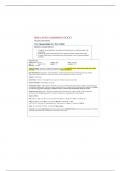
SIMULATION ADMISSION TICKET
Geriatric Pneumonia
Name: Iheoma Chieke Date: Date: 5/18/22
Simulation Learning Objectives:
1. Complete focused respiratory assessment and reassessments on a geriatric patient with
pneumonia.
2. Prioritize & perform interventions based on patient’s problems and physician orders.
3. Evaluate effectiveness of interventions and revise the plan of care to treat actual patient
problems.
Patient Overview:
Client Name: Zed Sween Gender: Male Race: Caucasian
Age: 83 Weight: 152 lbs. Height: 5’6” Location: PCU
Physician: Dr. Kane
Client Information: Mr. Sween is admitted from nursing home due to decreased PO intake, mental status changes and unstable
vital signs. Portable CXR done in nursing home indicates left upper lobe infiltrate.
Past Medical History Osteoporosis, vitamin D deficiency, vertebral compression fractures with chronic pain, type 2 diabetes,
Hypertension, rheumatoid arthritis, coronary artery disease; received pneumococcal vaccine 2 years ago
Allergies: Erythromycin
Social History: Widower. One daughter lives in same town. Resides in long-term care facility
Surgeries/Procedures: Vertebroplasty 2 years ago
Possible Interventions: Administration of SC/PO/IV meds; glucose monitoring with administration of insulin; incorporate lab values
into medication administration; collection of sputum specimen; delivery of oxygen; and client teaching related to pneumonia *Students
are expected to review these skills prior to simulation in order to perform them independently during the scenario.
Medication List: amlodipine PO, vitamin D PO, guaifenesin PO, Lantus insulin SC. lispro insulin SC, docusate sodium PO,
levofloxacin IVPB, Methylprednisolone IV, Ecotrin PO, celecoxib PO, acetaminophen PO, Normal Saline IV
Initial Lab Work:
CBC: WBC-11.2, RBC-3.4, Hgb-11.6, Hct-34.0, MCV-91.4, MCH-31.7, MCHC-34.7, RDW-11.9, Platelets-220
CMP: Na+-156, K+-5.0, Cl--110, CO2-23, BG-248, BUN-52, Creatinine-2.8, Ca+-8.0
AST-32, ALT-31, ALK Phos-148, Total Bilirubin-0.24, Total Protein-5.4, Albumin-2.9, Lactate-0.9, GFR-50.
ABGs: pH-7.28, PaCO2-55, HCO3- 25, PaO2-83 Resp Acidosis
Urinalysis: Color-amber (dehydrated), Clarity-hazy, Specific gravity-1.032(dehydration), Ketones-neg, Glucose-neg, pH-7.0, Protein-
neg, Blood-neg, Bilirubin-neg, Urobiliogen-0.4, Nitrite-neg, Leukocyte-neg.
, BRING BELOW COMPLETED DOCUMENTS WITH YOU TO SIMULATION:
Documents will be reviewed by simulation faculty prior to simulation activity. You must have
the following documents complete to participate:
Clinical Reasoning:
Use your textbooks or other evidence-based resources to complete the following questions in
your own words:
1. Explain the pathophysiology of pneumonia.
Pneumonia is an acute infection of the lung and is caused by various microbes such
as bacteria, viruses, protozoa, and fungi. Pneumonia occurs when a microorganism
enters the upper airway of the respiratory tract, multiplies within the epithelium,
and spreads to the lungs within the lower respiratory tract. Pneumonia is spread
through air-borne droplets (cough or sneeze), inhalation or from touching an object
previously touched by an infected individual. Once infected, alveoli within the lungs
become filled with fluid and pus (inflamed); thus, inhibiting a person’s ability to
breathe (Hinkle et. al, 2022).
2. What are the signs and symptoms unique to a geriatric patient experiencing
pneumonia?
In a geriatric patient, signs and symptoms of pneumonia may be missed or masked
due to impaired physiological function. Signs and symptoms of pneumonia in the
older population includes absence of fever, lower body temperature than normal,
fatigue, chest pain, slight cough, restlessness, rapid respiration, confusion/delirium,
hypothermia, increased risk of falling (Eliopoulos, 2022).
3. What is the physiology behind the differences in the signs and symptoms
experienced by Mr. Sween and those experienced by a young adult with pneumonia?
Revised Nov. 2021
SIMULATION ADMISSION TICKET
Geriatric Pneumonia
Name: Iheoma Chieke Date: Date: 5/18/22
Simulation Learning Objectives:
1. Complete focused respiratory assessment and reassessments on a geriatric patient with
pneumonia.
2. Prioritize & perform interventions based on patient’s problems and physician orders.
3. Evaluate effectiveness of interventions and revise the plan of care to treat actual patient
problems.
Patient Overview:
Client Name: Zed Sween Gender: Male Race: Caucasian
Age: 83 Weight: 152 lbs. Height: 5’6” Location: PCU
Physician: Dr. Kane
Client Information: Mr. Sween is admitted from nursing home due to decreased PO intake, mental status changes and unstable
vital signs. Portable CXR done in nursing home indicates left upper lobe infiltrate.
Past Medical History Osteoporosis, vitamin D deficiency, vertebral compression fractures with chronic pain, type 2 diabetes,
Hypertension, rheumatoid arthritis, coronary artery disease; received pneumococcal vaccine 2 years ago
Allergies: Erythromycin
Social History: Widower. One daughter lives in same town. Resides in long-term care facility
Surgeries/Procedures: Vertebroplasty 2 years ago
Possible Interventions: Administration of SC/PO/IV meds; glucose monitoring with administration of insulin; incorporate lab values
into medication administration; collection of sputum specimen; delivery of oxygen; and client teaching related to pneumonia *Students
are expected to review these skills prior to simulation in order to perform them independently during the scenario.
Medication List: amlodipine PO, vitamin D PO, guaifenesin PO, Lantus insulin SC. lispro insulin SC, docusate sodium PO,
levofloxacin IVPB, Methylprednisolone IV, Ecotrin PO, celecoxib PO, acetaminophen PO, Normal Saline IV
Initial Lab Work:
CBC: WBC-11.2, RBC-3.4, Hgb-11.6, Hct-34.0, MCV-91.4, MCH-31.7, MCHC-34.7, RDW-11.9, Platelets-220
CMP: Na+-156, K+-5.0, Cl--110, CO2-23, BG-248, BUN-52, Creatinine-2.8, Ca+-8.0
AST-32, ALT-31, ALK Phos-148, Total Bilirubin-0.24, Total Protein-5.4, Albumin-2.9, Lactate-0.9, GFR-50.
ABGs: pH-7.28, PaCO2-55, HCO3- 25, PaO2-83 Resp Acidosis
Urinalysis: Color-amber (dehydrated), Clarity-hazy, Specific gravity-1.032(dehydration), Ketones-neg, Glucose-neg, pH-7.0, Protein-
neg, Blood-neg, Bilirubin-neg, Urobiliogen-0.4, Nitrite-neg, Leukocyte-neg.
, BRING BELOW COMPLETED DOCUMENTS WITH YOU TO SIMULATION:
Documents will be reviewed by simulation faculty prior to simulation activity. You must have
the following documents complete to participate:
Clinical Reasoning:
Use your textbooks or other evidence-based resources to complete the following questions in
your own words:
1. Explain the pathophysiology of pneumonia.
Pneumonia is an acute infection of the lung and is caused by various microbes such
as bacteria, viruses, protozoa, and fungi. Pneumonia occurs when a microorganism
enters the upper airway of the respiratory tract, multiplies within the epithelium,
and spreads to the lungs within the lower respiratory tract. Pneumonia is spread
through air-borne droplets (cough or sneeze), inhalation or from touching an object
previously touched by an infected individual. Once infected, alveoli within the lungs
become filled with fluid and pus (inflamed); thus, inhibiting a person’s ability to
breathe (Hinkle et. al, 2022).
2. What are the signs and symptoms unique to a geriatric patient experiencing
pneumonia?
In a geriatric patient, signs and symptoms of pneumonia may be missed or masked
due to impaired physiological function. Signs and symptoms of pneumonia in the
older population includes absence of fever, lower body temperature than normal,
fatigue, chest pain, slight cough, restlessness, rapid respiration, confusion/delirium,
hypothermia, increased risk of falling (Eliopoulos, 2022).
3. What is the physiology behind the differences in the signs and symptoms
experienced by Mr. Sween and those experienced by a young adult with pneumonia?
Revised Nov. 2021


