Maintenance is when a speaker
refuses to change their
communication style in any way -
they maintain their own
communication style throughout.
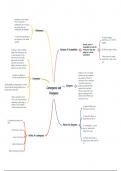
Maintenance
It is worth noting that divergence The speakers' language
and convergence can be received competence, e.g. is it their first
negatively. language?
Generally, receivers of
accommodation will assess the
Convergence is when an individual Recievers of Accomodation following three things when The effort the speaker is making
changes their communicative style judging how to perceive
to sound and appear more like accommodation:
External pressures the speaker
their interlocutor. This usually
may be under to speak a certain
happens when the individual
respects the person they are way
talking to and wishes to seek their
approval or seem more like them.
Divergence is the act of changing
Convergence can happen on a communication style to emphasise
conscious and subconscious level.
Convergence and accentuate a difference or
distinctiveness from an interlocutor.
For example, someone from a
Typically speaking, converging speakers are viewed
Divergence working-class background might
more positively than diverging speakers and are
deemed better communicators.
Convergence and emphasise their accent when
talking to someone from a more
Divergence upper-class background to draw
attention to their different social
However, convergence can also
lead to a loss of personal identity. status and vice-versa.
Additionally, if speech change is
deemed too much, individuals
could be ostracised by their peers. To emphasise difference and
distinctiveness from others
To shape others' feelings, e.g.
making others feel left out
To seek approval and respect from
others
Motives for divergence: To show belonging to a specific
group, e.g. speaking with a
To show respect to others stronger native accent
Increase social reward
Motives for convergence:
To influence others' speech, e.g.
talking quietly in hopes others will
Improve communication too
Reduce uncertainty and anxiety
refuses to change their
communication style in any way -
they maintain their own
communication style throughout.
Maintenance
It is worth noting that divergence The speakers' language
and convergence can be received competence, e.g. is it their first
negatively. language?
Generally, receivers of
accommodation will assess the
Convergence is when an individual Recievers of Accomodation following three things when The effort the speaker is making
changes their communicative style judging how to perceive
to sound and appear more like accommodation:
External pressures the speaker
their interlocutor. This usually
may be under to speak a certain
happens when the individual
respects the person they are way
talking to and wishes to seek their
approval or seem more like them.
Divergence is the act of changing
Convergence can happen on a communication style to emphasise
conscious and subconscious level.
Convergence and accentuate a difference or
distinctiveness from an interlocutor.
For example, someone from a
Typically speaking, converging speakers are viewed
Divergence working-class background might
more positively than diverging speakers and are
deemed better communicators.
Convergence and emphasise their accent when
talking to someone from a more
Divergence upper-class background to draw
attention to their different social
However, convergence can also
lead to a loss of personal identity. status and vice-versa.
Additionally, if speech change is
deemed too much, individuals
could be ostracised by their peers. To emphasise difference and
distinctiveness from others
To shape others' feelings, e.g.
making others feel left out
To seek approval and respect from
others
Motives for divergence: To show belonging to a specific
group, e.g. speaking with a
To show respect to others stronger native accent
Increase social reward
Motives for convergence:
To influence others' speech, e.g.
talking quietly in hopes others will
Improve communication too
Reduce uncertainty and anxiety