SET 1
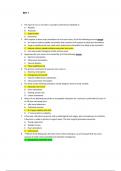
Peters’ Corrections
1. The type of non-un ion that is caused by mechanical instability is:
A. Atrophic
B. Avascular
C. Hypertrophic
D. Elemental
2. With respect to bone scans evaluation of non-union sites, all of the following are true except:
A. An intense uniform uptake can predict that a patient will respond to electrical stimulation
B. A gap in uptake at the non-union sites makes bone stimulation less likely to be successful
C. Intense uniform uptake indicates avascular non-union
D. Can help predict biological vitality of bone ends
3. Hypervascular non-unions are treated by all of the following except
A. Electrical stimulation
B. Ultrasound stimulation
C. Internal fixation
D. Extra weightbearing
4. The primary treatment of avascular non-union is:
A. Electrical stimulation
B. Autogenous bone graft
C. Calcium sulfate bone substitution
D. Ultrasound bone stimulation
5. For which of the following indication would allogenic bone be least suitable
A. Avascular non-union
B. Evans osteotomy
C. Packing a bone cyst
D. Cotton osteotomy
6. Which of the following would be an acceptable indication for a naviculo-cuniform(N-C) fusion in
an 18 year-old young man:
A. Mid-tarsal abduction
B. Calcaneal eversion
C. N-C hypermobility with DJD
D. 1st met-cuniform instability
7. A four-year old patient presents with a pathological heel valgus, pain unresponsive to orthotics.
A decision is made to perform surgical repair. The best surgical procedure would be:
A. Young suspension
B. Subtalar fusion
C. Evans procedure
D. Arthroeresis
8. **Which of the following is the best choice when looking to use a bone graft that has most
amount of viable cells (osteoblasts) to facilitate osteogenisis.
A. Autogenous cancellous bone
Peters’ Corrections
1. The type of non-un ion that is caused by mechanical instability is:
A. Atrophic
B. Avascular
C. Hypertrophic
D. Elemental
2. With respect to bone scans evaluation of non-union sites, all of the following are true except:
A. An intense uniform uptake can predict that a patient will respond to electrical stimulation
B. A gap in uptake at the non-union sites makes bone stimulation less likely to be successful
C. Intense uniform uptake indicates avascular non-union
D. Can help predict biological vitality of bone ends
3. Hypervascular non-unions are treated by all of the following except
A. Electrical stimulation
B. Ultrasound stimulation
C. Internal fixation
D. Extra weightbearing
4. The primary treatment of avascular non-union is:
A. Electrical stimulation
B. Autogenous bone graft
C. Calcium sulfate bone substitution
D. Ultrasound bone stimulation
5. For which of the following indication would allogenic bone be least suitable
A. Avascular non-union
B. Evans osteotomy
C. Packing a bone cyst
D. Cotton osteotomy
6. Which of the following would be an acceptable indication for a naviculo-cuniform(N-C) fusion in
an 18 year-old young man:
A. Mid-tarsal abduction
B. Calcaneal eversion
C. N-C hypermobility with DJD
D. 1st met-cuniform instability
7. A four-year old patient presents with a pathological heel valgus, pain unresponsive to orthotics.
A decision is made to perform surgical repair. The best surgical procedure would be:
A. Young suspension
B. Subtalar fusion
C. Evans procedure
D. Arthroeresis
8. **Which of the following is the best choice when looking to use a bone graft that has most
amount of viable cells (osteoblasts) to facilitate osteogenisis.
A. Autogenous cancellous bone