

Inorganic ions
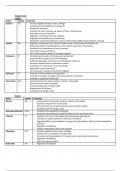
Cations
Cation Symbol Properties
Calcium Ca2+ - Increases rigidity of bones, teeth, cartilage
- Component of exoskeleton of crustaceans
- Needed to clot blood
- Activator for some enzymes e.g. lipase, ATPase, cholinesterase
- Stimulates muscle contraction
- Regulates transmission of nerve impulses
- Regulates permeability of cell membranes
- Needed for cell wall development in plants and forming middle lamella between cell walls
Sodium Na+ - Regulates osmotic pressure, control of water levels in body fluid and maintains pH
- Affects absorption of carbohydrates in the intestine and water in the kidney
- Contributes to transmission of nerve impulses
- Helps with muscle contraction
- Part of the vacuole in plants to maintain turgidity
Potassium K+ - Control of water levels in the body and maintains pH
- Assists active transport across cell membrane
- Synthesis of glycogen and protein and breakdown of glucose
- Generates healthy leaves and flowers in plants
- Contributes to transmission of nerve impulses
- Helps with muscle contraction
- Part of vacuole in plants and maintain turgidity
Hydrogen H+ - Involved in photosynthesis and respiration
- Involved in transport of oxygen and carbon dioxide in the blood
- Involved in regulation of blood pH
Ammonium NH4+ - Component of amino acids, proteins, vitamins, chlorophyll
- Some hormones made of proteins
- Essential component of nucleic acids
- Maintains pH in the body
- Component of nitrogen cycle
Anions
Anion Symbol Properties
Nitrate NO3- - Component of amino acids, proteins, vitamins, chlorophyll
- Essential component of nucleic acids
- Some hormones are made of proteins which contain nitrogen
- Component of the nitrogen cycle
Hydrogencarbonate HCO3- - Involved in the regulation of blood pH
- Involved in the transport of carbon dioxide into and out of the blood
Chloride Cl- - Production of urine in the kidney and maintaining water balance
- Transport of carbon dioxide into and out of the blood
- Regulates affinity of haemoglobin to oxygen through allosteric effects on the haemoglobin
molecule
- Regulation of blood pH
- Produces hydrochloric acid in the stomach
Phosphate PO43- - Increases rigidity of bone, teeth, cartilage
- Component of exoskeleton of crustaceans
- Component of phospholipids, ATP, nucleic acids, some important enzymes
- Regulation of blood pH
- Helps roots grow in plants
Hydroxide OH- - Regulation of blood pH
Cations
Cation Symbol Properties
Calcium Ca2+ - Increases rigidity of bones, teeth, cartilage
- Component of exoskeleton of crustaceans
- Needed to clot blood
- Activator for some enzymes e.g. lipase, ATPase, cholinesterase
- Stimulates muscle contraction
- Regulates transmission of nerve impulses
- Regulates permeability of cell membranes
- Needed for cell wall development in plants and forming middle lamella between cell walls
Sodium Na+ - Regulates osmotic pressure, control of water levels in body fluid and maintains pH
- Affects absorption of carbohydrates in the intestine and water in the kidney
- Contributes to transmission of nerve impulses
- Helps with muscle contraction
- Part of the vacuole in plants to maintain turgidity
Potassium K+ - Control of water levels in the body and maintains pH
- Assists active transport across cell membrane
- Synthesis of glycogen and protein and breakdown of glucose
- Generates healthy leaves and flowers in plants
- Contributes to transmission of nerve impulses
- Helps with muscle contraction
- Part of vacuole in plants and maintain turgidity
Hydrogen H+ - Involved in photosynthesis and respiration
- Involved in transport of oxygen and carbon dioxide in the blood
- Involved in regulation of blood pH
Ammonium NH4+ - Component of amino acids, proteins, vitamins, chlorophyll
- Some hormones made of proteins
- Essential component of nucleic acids
- Maintains pH in the body
- Component of nitrogen cycle
Anions
Anion Symbol Properties
Nitrate NO3- - Component of amino acids, proteins, vitamins, chlorophyll
- Essential component of nucleic acids
- Some hormones are made of proteins which contain nitrogen
- Component of the nitrogen cycle
Hydrogencarbonate HCO3- - Involved in the regulation of blood pH
- Involved in the transport of carbon dioxide into and out of the blood
Chloride Cl- - Production of urine in the kidney and maintaining water balance
- Transport of carbon dioxide into and out of the blood
- Regulates affinity of haemoglobin to oxygen through allosteric effects on the haemoglobin
molecule
- Regulation of blood pH
- Produces hydrochloric acid in the stomach
Phosphate PO43- - Increases rigidity of bone, teeth, cartilage
- Component of exoskeleton of crustaceans
- Component of phospholipids, ATP, nucleic acids, some important enzymes
- Regulation of blood pH
- Helps roots grow in plants
Hydroxide OH- - Regulation of blood pH


