
Chapter 15
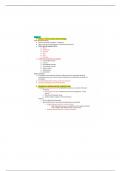
Venous vs. Arterial occlusion (means blockage)
Acute Arterial Occlusion
o Absence of arterial circulation – emergency
o May result from thrombi/emboli or mechanical compression
o Classic signs & symptoms (6 Ps)
o Pallor
o Paresthesia
o Paralysis
o Pain
o Polar
o Pulseless
o Treatment: (medically and surgically)
o Loosen tight dressing
o Cut cast
o Anticoagulant therapy
o Thrombolytic therapy
o Bypass surgery
o Embolectomy
o Amputation
Venous occlusion
o Incompetent valves (obesity, pregnancy, right heart failure, prolonged standing)
producing varicose veins, chronic venous insufficiency, and obstruction by deep vein
thrombosis
o Accompanied by edema, venous stasis ulcers and pain
o Deep vein thrombosis can be life threatening
Thrombosis vs. Embolism and their “original “location
Thrombus: a stationary blood clot formed within a vessel or a chamber of the heart
o Treatment:
1. Anticoagulant therapy is initiated to prevent clot enlargement – blood
thinner
2. May need thrombolytic drugs
3. Another option: surgery to remove thrombus
Embolus
o Can be called thromboembolus
o Material that forms a clot within the bloodstream; traveling clot
o Embolus leaving L ventricle = ischemic stroke
Differ depending on brain area affected, loss of cognitive function,
motor changes, and different levels of sensory loss
o Embolus leaving R ventricle = pulmonary embolus
Venous vs. Arterial occlusion (means blockage)
Acute Arterial Occlusion
o Absence of arterial circulation – emergency
o May result from thrombi/emboli or mechanical compression
o Classic signs & symptoms (6 Ps)
o Pallor
o Paresthesia
o Paralysis
o Pain
o Polar
o Pulseless
o Treatment: (medically and surgically)
o Loosen tight dressing
o Cut cast
o Anticoagulant therapy
o Thrombolytic therapy
o Bypass surgery
o Embolectomy
o Amputation
Venous occlusion
o Incompetent valves (obesity, pregnancy, right heart failure, prolonged standing)
producing varicose veins, chronic venous insufficiency, and obstruction by deep vein
thrombosis
o Accompanied by edema, venous stasis ulcers and pain
o Deep vein thrombosis can be life threatening
Thrombosis vs. Embolism and their “original “location
Thrombus: a stationary blood clot formed within a vessel or a chamber of the heart
o Treatment:
1. Anticoagulant therapy is initiated to prevent clot enlargement – blood
thinner
2. May need thrombolytic drugs
3. Another option: surgery to remove thrombus
Embolus
o Can be called thromboembolus
o Material that forms a clot within the bloodstream; traveling clot
o Embolus leaving L ventricle = ischemic stroke
Differ depending on brain area affected, loss of cognitive function,
motor changes, and different levels of sensory loss
o Embolus leaving R ventricle = pulmonary embolus


