Samenvatting History of International Relations Maxime Lermyte 2018-2019
HISTORY OF INTERNATIONAL RELATIONS
LEUNIS
2018-2019
Inhoud
CLASS 1: Introduction: from early modernity to end of the Cold War.........................................................5
1
,Samenvatting History of International Relations Maxime Lermyte 2018-2019
1. Introduction.............................................................................................................................................6
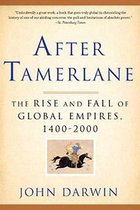
2. Tamerlane’s model: the end of an historical phase.................................................................................6
3. Replaced by sovereign states...................................................................................................................7
3.1 Sovereignty........................................................................................................................................8
3.2 Replaced by a norm of sovereignty....................................................................................................8
3.3 Sovereignty is the structuring principle of international relations.....................................................8
4. History of International Relations............................................................................................................9
5. History of Globalization.........................................................................................................................10
CLASS 2: 16th century Imperialism............................................................................................................10
1. Introduction...........................................................................................................................................10
2. Portuguese Imperialism.........................................................................................................................11
3. Spanish Imperialism...............................................................................................................................14
3.1 Introduction.....................................................................................................................................14
3.2 European world empire...................................................................................................................14
3.3 Columbus.........................................................................................................................................15
3.4 The conquest of the Aztec Empire...................................................................................................15
3.5 The conquest of the Inca Empire.....................................................................................................17
4. Russian Expansionism............................................................................................................................18
4.1 Russian Imperialism.........................................................................................................................19
5. Islamic Empires......................................................................................................................................20
5.1 Safavid Empire (Iran)........................................................................................................................23
CLASS 3: Westphalian sovereignty.............................................................................................................24
1. Sovereignty............................................................................................................................................24
2. Thirty Years War....................................................................................................................................24
3. Eighty Years War....................................................................................................................................25
4. Peace Negotiations................................................................................................................................26
4.1 Peace treaty.....................................................................................................................................26
5. Sovereignty in Middle Ages...................................................................................................................27
6. Sovereignty after 1648...........................................................................................................................28
6.1 Sovereignty......................................................................................................................................28
6.2 Treaty of Münster............................................................................................................................29
7. Dutch Golden Age..................................................................................................................................29
8. British Empire........................................................................................................................................30
2
,Samenvatting History of International Relations Maxime Lermyte 2018-2019
CLASS 4: Eurasian Revolution....................................................................................................................31
1. Eurasian revolution: 1750-1830.............................................................................................................31
2. Uneasy equilibrium................................................................................................................................31
2.1 India.................................................................................................................................................32
2.2 China................................................................................................................................................32
2.3 North America.................................................................................................................................32
2.4 Africa................................................................................................................................................32
3. Geopolitical transformation after 1750.................................................................................................33
4. Geopolitical turbulence.........................................................................................................................34
5. Seven years war: 1756-1763..................................................................................................................35
5.1 In Europe.........................................................................................................................................35
5.2 In North-America.............................................................................................................................35
5.3 Consequences of the Seven Years War............................................................................................36
6. American war of Independence.............................................................................................................36
7. British Imperialism.................................................................................................................................37
8. Age of Revolutions.................................................................................................................................38
8.1 Geopolitical Revolution....................................................................................................................38
8.2 Technological revolution in 19th century........................................................................................39
8.3 Industrial Revolution........................................................................................................................40
8.4 Financial Revolution.........................................................................................................................40
9. East India Company...............................................................................................................................41
CLASS 5: Concert of Europe.......................................................................................................................42
1. Napoleonic Wars....................................................................................................................................42
1.2 Coalition against Napoleon..............................................................................................................43
1.2.1 Treaty of Chaumont 1814.........................................................................................................44
1.2.2 Treaty of Fontainebleau 1814...................................................................................................44
1.2.3 Treaty of Paris 1814..................................................................................................................44
1.2.4 Eight Articles of London 1814...................................................................................................45
1.3 Congress of Vienna 1814-1815........................................................................................................45
1.4 Balance of Power.............................................................................................................................45
2. Concert of Europe..................................................................................................................................45
3. Relative Stability....................................................................................................................................47
3.1 Embryonic liberalism.......................................................................................................................47
3
,Samenvatting History of International Relations Maxime Lermyte 2018-2019
4. National-Liberal Revolts 1830................................................................................................................47
5. Crimean War 1853-1856........................................................................................................................48
6. Franco-Prussian War 1870-1871: Third Unifying War............................................................................49
7. United States.........................................................................................................................................49
8. Mexican War 1846-1848........................................................................................................................50
9. Economic Globalization.........................................................................................................................50
CLASS 6: 19th century imperialism............................................................................................................52
1. Commercial imperium...........................................................................................................................52
2. Imperialism in India...............................................................................................................................53
3. Imperialism in China..............................................................................................................................53
3.1 First Opium War 1840-1842.............................................................................................................54
3.2 Taiping Rebellion 1850-1860...........................................................................................................54
3.3 Second Opium War 1856-1860........................................................................................................55
3.4 Imperialism in China........................................................................................................................55
4. Imperialism in Africa..............................................................................................................................57
4.1 British-French competition in Egypt.................................................................................................58
4.2 Imperialism in Africa........................................................................................................................59
4.2.1 Conference of Berlin & The Scramble for Africa.......................................................................59
4.2.2 West-Africa...............................................................................................................................60
4.2.3 East-Africa.................................................................................................................................61
4.2.4 South-Africa..............................................................................................................................61
5. Weltpolitik Wilhelm II............................................................................................................................61
6. American Imperialism............................................................................................................................62
CLASS 7: World War I.................................................................................................................................64
4
,Samenvatting History of International Relations Maxime Lermyte 2018-2019
CLASS 1: Introduction: from early
modernity to end of the Cold War.
5
, Samenvatting History of International Relations Maxime Lermyte 2018-2019
1.Introduction.
The current state system is a historical institution, which means that it changes over time. It’s
also a social organization, since it’s made by people and by the continuous interaction between
those people.
But in most of the human history: empires are the predominant form of political organization,
e.g. Roman Empire (which covered mostly the Mediterranean to the UK, to the Iraq-region.) But
other kinds also exist:
like city-states (Greek empire)
feudalism (Medieval Europe, people were both accountable to a Prince, a King but also
to the Church: they lived in servitude),
colonialism
...
Before the 16th century there were no clearly recognizable sovereign states, and the
development of the sovereign states coincided with the start of the modern era.
So we have this neutral interaction: first of all, the international state system defined
modernity, with the spread of modernity we saw the spread of sovereign states all over the
world: mostly European states with imperial ambitions/colonialism.
2.Tamerlane’s model: the end of an historical
phase.
Tamerlane was born in the 1330’s, into a lesser clan of the Turkic-Mongol tribal confederation
the Chagatai, one of the four great divisions into which the Mongol empire of Genghis
(Chinggis) Khan had been split up at his death, in 1227. By 1370 he had made himself master of
the Chagatai. In 1398 he led a vast plundering raid into North India, crushing its Muslim rulers
and demolishing Delhi. Then in 1400 he returned to the Middle East to capture Aleppo and
Damascus (Ibn Khaldun escaped its massacre), before defeating and capturing the Ottoman
sultan Bayazet at the Battle of Ankara in 1402. It was only after that that he turned east on his
final and abortive campaign.
Tamerlane was a transitional figure in Eurasian history. His conquests were an echo of the great
Mongol empire forged by Genghis Khan and his sons. Mongol rule may have served as the
catalyst for commercial and intellectual change in an age of general economic expansion. The
Mongols even permitted the visits of West European emissaries hoping to build an anti-Muslim
alliance and win Christian converts. But by the early 14th century, the effort to preserve a grand
imperial confederation had all but collapsed.
6
HISTORY OF INTERNATIONAL RELATIONS
LEUNIS
2018-2019
Inhoud
CLASS 1: Introduction: from early modernity to end of the Cold War.........................................................5
1
,Samenvatting History of International Relations Maxime Lermyte 2018-2019
1. Introduction.............................................................................................................................................6
2. Tamerlane’s model: the end of an historical phase.................................................................................6
3. Replaced by sovereign states...................................................................................................................7
3.1 Sovereignty........................................................................................................................................8
3.2 Replaced by a norm of sovereignty....................................................................................................8
3.3 Sovereignty is the structuring principle of international relations.....................................................8
4. History of International Relations............................................................................................................9
5. History of Globalization.........................................................................................................................10
CLASS 2: 16th century Imperialism............................................................................................................10
1. Introduction...........................................................................................................................................10
2. Portuguese Imperialism.........................................................................................................................11
3. Spanish Imperialism...............................................................................................................................14
3.1 Introduction.....................................................................................................................................14
3.2 European world empire...................................................................................................................14
3.3 Columbus.........................................................................................................................................15
3.4 The conquest of the Aztec Empire...................................................................................................15
3.5 The conquest of the Inca Empire.....................................................................................................17
4. Russian Expansionism............................................................................................................................18
4.1 Russian Imperialism.........................................................................................................................19
5. Islamic Empires......................................................................................................................................20
5.1 Safavid Empire (Iran)........................................................................................................................23
CLASS 3: Westphalian sovereignty.............................................................................................................24
1. Sovereignty............................................................................................................................................24
2. Thirty Years War....................................................................................................................................24
3. Eighty Years War....................................................................................................................................25
4. Peace Negotiations................................................................................................................................26
4.1 Peace treaty.....................................................................................................................................26
5. Sovereignty in Middle Ages...................................................................................................................27
6. Sovereignty after 1648...........................................................................................................................28
6.1 Sovereignty......................................................................................................................................28
6.2 Treaty of Münster............................................................................................................................29
7. Dutch Golden Age..................................................................................................................................29
8. British Empire........................................................................................................................................30
2
,Samenvatting History of International Relations Maxime Lermyte 2018-2019
CLASS 4: Eurasian Revolution....................................................................................................................31
1. Eurasian revolution: 1750-1830.............................................................................................................31
2. Uneasy equilibrium................................................................................................................................31
2.1 India.................................................................................................................................................32
2.2 China................................................................................................................................................32
2.3 North America.................................................................................................................................32
2.4 Africa................................................................................................................................................32
3. Geopolitical transformation after 1750.................................................................................................33
4. Geopolitical turbulence.........................................................................................................................34
5. Seven years war: 1756-1763..................................................................................................................35
5.1 In Europe.........................................................................................................................................35
5.2 In North-America.............................................................................................................................35
5.3 Consequences of the Seven Years War............................................................................................36
6. American war of Independence.............................................................................................................36
7. British Imperialism.................................................................................................................................37
8. Age of Revolutions.................................................................................................................................38
8.1 Geopolitical Revolution....................................................................................................................38
8.2 Technological revolution in 19th century........................................................................................39
8.3 Industrial Revolution........................................................................................................................40
8.4 Financial Revolution.........................................................................................................................40
9. East India Company...............................................................................................................................41
CLASS 5: Concert of Europe.......................................................................................................................42
1. Napoleonic Wars....................................................................................................................................42
1.2 Coalition against Napoleon..............................................................................................................43
1.2.1 Treaty of Chaumont 1814.........................................................................................................44
1.2.2 Treaty of Fontainebleau 1814...................................................................................................44
1.2.3 Treaty of Paris 1814..................................................................................................................44
1.2.4 Eight Articles of London 1814...................................................................................................45
1.3 Congress of Vienna 1814-1815........................................................................................................45
1.4 Balance of Power.............................................................................................................................45
2. Concert of Europe..................................................................................................................................45
3. Relative Stability....................................................................................................................................47
3.1 Embryonic liberalism.......................................................................................................................47
3
,Samenvatting History of International Relations Maxime Lermyte 2018-2019
4. National-Liberal Revolts 1830................................................................................................................47
5. Crimean War 1853-1856........................................................................................................................48
6. Franco-Prussian War 1870-1871: Third Unifying War............................................................................49
7. United States.........................................................................................................................................49
8. Mexican War 1846-1848........................................................................................................................50
9. Economic Globalization.........................................................................................................................50
CLASS 6: 19th century imperialism............................................................................................................52
1. Commercial imperium...........................................................................................................................52
2. Imperialism in India...............................................................................................................................53
3. Imperialism in China..............................................................................................................................53
3.1 First Opium War 1840-1842.............................................................................................................54
3.2 Taiping Rebellion 1850-1860...........................................................................................................54
3.3 Second Opium War 1856-1860........................................................................................................55
3.4 Imperialism in China........................................................................................................................55
4. Imperialism in Africa..............................................................................................................................57
4.1 British-French competition in Egypt.................................................................................................58
4.2 Imperialism in Africa........................................................................................................................59
4.2.1 Conference of Berlin & The Scramble for Africa.......................................................................59
4.2.2 West-Africa...............................................................................................................................60
4.2.3 East-Africa.................................................................................................................................61
4.2.4 South-Africa..............................................................................................................................61
5. Weltpolitik Wilhelm II............................................................................................................................61
6. American Imperialism............................................................................................................................62
CLASS 7: World War I.................................................................................................................................64
4
,Samenvatting History of International Relations Maxime Lermyte 2018-2019
CLASS 1: Introduction: from early
modernity to end of the Cold War.
5
, Samenvatting History of International Relations Maxime Lermyte 2018-2019
1.Introduction.
The current state system is a historical institution, which means that it changes over time. It’s
also a social organization, since it’s made by people and by the continuous interaction between
those people.
But in most of the human history: empires are the predominant form of political organization,
e.g. Roman Empire (which covered mostly the Mediterranean to the UK, to the Iraq-region.) But
other kinds also exist:
like city-states (Greek empire)
feudalism (Medieval Europe, people were both accountable to a Prince, a King but also
to the Church: they lived in servitude),
colonialism
...
Before the 16th century there were no clearly recognizable sovereign states, and the
development of the sovereign states coincided with the start of the modern era.
So we have this neutral interaction: first of all, the international state system defined
modernity, with the spread of modernity we saw the spread of sovereign states all over the
world: mostly European states with imperial ambitions/colonialism.
2.Tamerlane’s model: the end of an historical
phase.
Tamerlane was born in the 1330’s, into a lesser clan of the Turkic-Mongol tribal confederation
the Chagatai, one of the four great divisions into which the Mongol empire of Genghis
(Chinggis) Khan had been split up at his death, in 1227. By 1370 he had made himself master of
the Chagatai. In 1398 he led a vast plundering raid into North India, crushing its Muslim rulers
and demolishing Delhi. Then in 1400 he returned to the Middle East to capture Aleppo and
Damascus (Ibn Khaldun escaped its massacre), before defeating and capturing the Ottoman
sultan Bayazet at the Battle of Ankara in 1402. It was only after that that he turned east on his
final and abortive campaign.
Tamerlane was a transitional figure in Eurasian history. His conquests were an echo of the great
Mongol empire forged by Genghis Khan and his sons. Mongol rule may have served as the
catalyst for commercial and intellectual change in an age of general economic expansion. The
Mongols even permitted the visits of West European emissaries hoping to build an anti-Muslim
alliance and win Christian converts. But by the early 14th century, the effort to preserve a grand
imperial confederation had all but collapsed.
6