
Our Environment 185
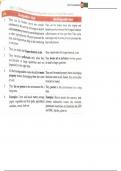
Table 51:
SNo. Differences between bioderadable d non biodegradable wastes
1. They can be Biodegradable Waste Non-biodegradable Waste
broken down into simpler They can't be
substances by the activity of into si broken down into simpler and
called enzymes (present in biological catalysts harmless products because the biological catalysts
or other surrounding bacteria called enzymes can't act upon them. They can be
heat and saprophytes). Physical processes like acted upon only by some physical processes like
of enzymes.temperature help inthe functioning heat and pressure.
2 They can enter the
3. biogeochemical cycles.
Iney become pollutants only when they
They cannot enter the biogeochemical cycles.
They always act as pollutants whether present
accumulate in large quantities and not in small or large quantities.
degraded at the right time.
4
All the biodegradable wastes should be treated
They can't be treated properly before discharging
properly before discharging them into water them into water or soil. Instead, they can be either
or soil.
recycled or reused.
5. They do not persist in the environment for a They persist in the environment for a long
long time. time.
6.
Examples: Urine and faecal matter, sewage, Examples: Heavy metals like mercury, lead,
paper, vegetable and fruit peels, agricultural arsenic; radioactive wastes like uranium,
residues, wood, cloth etc. plutonium;insecticides and pesticides like DDT
and BHC;plastics, glass etc.
, Ecosystems
Natural (present in nature) Artificial (man-made)
Terrestrial Aquatic Terrestrial Aquatic
(Ecosystem on land) (Ecosystem in water) e.g., crop fields, garden, e.g., aquarium, rerservoir,
e.g., grassland, desert, e.g., pond, lake, river, kitchen garden, park etc. tank, artificial lakes etc.
forest, hill side etc. sea, ocean etc.
Fig. 5.3: Types of ecosystems
An ecosystem is an interacting system consisting of a biotic community (including plants, animals,
micro-organisms and human beings) and its environment where both influence each other. Each
ecosystem has twomajor components (Fig. 5.4), namely, biotic and abiotic.
Ecosystem Components
Biotic (living) Abiotic (non-living)
Producers Consumers Decomposers Inorganic substances
(Autotrophs (Micro-organisms like (C, N, S, H,0, P)
or plants) Herbivores bacteria and fungi) Organic substances
(plant eaters)
(carbohydrates, proteins and
Carnivores lipids)
(animal eaters) Climatic factors
Omnivores
"Atmospheric
(plant and animal eaters) (sunlight, moisture,
Secondary carnivores temperature, humidity,
(carnivore eaters) precipitation)
Top carnivores (secondary Edaphic
carnivore eaters) (soil texture, topography)
Table 51:
SNo. Differences between bioderadable d non biodegradable wastes
1. They can be Biodegradable Waste Non-biodegradable Waste
broken down into simpler They can't be
substances by the activity of into si broken down into simpler and
called enzymes (present in biological catalysts harmless products because the biological catalysts
or other surrounding bacteria called enzymes can't act upon them. They can be
heat and saprophytes). Physical processes like acted upon only by some physical processes like
of enzymes.temperature help inthe functioning heat and pressure.
2 They can enter the
3. biogeochemical cycles.
Iney become pollutants only when they
They cannot enter the biogeochemical cycles.
They always act as pollutants whether present
accumulate in large quantities and not in small or large quantities.
degraded at the right time.
4
All the biodegradable wastes should be treated
They can't be treated properly before discharging
properly before discharging them into water them into water or soil. Instead, they can be either
or soil.
recycled or reused.
5. They do not persist in the environment for a They persist in the environment for a long
long time. time.
6.
Examples: Urine and faecal matter, sewage, Examples: Heavy metals like mercury, lead,
paper, vegetable and fruit peels, agricultural arsenic; radioactive wastes like uranium,
residues, wood, cloth etc. plutonium;insecticides and pesticides like DDT
and BHC;plastics, glass etc.
, Ecosystems
Natural (present in nature) Artificial (man-made)
Terrestrial Aquatic Terrestrial Aquatic
(Ecosystem on land) (Ecosystem in water) e.g., crop fields, garden, e.g., aquarium, rerservoir,
e.g., grassland, desert, e.g., pond, lake, river, kitchen garden, park etc. tank, artificial lakes etc.
forest, hill side etc. sea, ocean etc.
Fig. 5.3: Types of ecosystems
An ecosystem is an interacting system consisting of a biotic community (including plants, animals,
micro-organisms and human beings) and its environment where both influence each other. Each
ecosystem has twomajor components (Fig. 5.4), namely, biotic and abiotic.
Ecosystem Components
Biotic (living) Abiotic (non-living)
Producers Consumers Decomposers Inorganic substances
(Autotrophs (Micro-organisms like (C, N, S, H,0, P)
or plants) Herbivores bacteria and fungi) Organic substances
(plant eaters)
(carbohydrates, proteins and
Carnivores lipids)
(animal eaters) Climatic factors
Omnivores
"Atmospheric
(plant and animal eaters) (sunlight, moisture,
Secondary carnivores temperature, humidity,
(carnivore eaters) precipitation)
Top carnivores (secondary Edaphic
carnivore eaters) (soil texture, topography)


