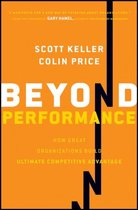
University of Antwerp
Academic year 2018-2019
Organisational Theory and Design – Summary
Table of Contents
Session 1 Introduction to the course .......................................................................................... 6
1.1 Introduction to organisational health ............................................................................ 6
1.1.1 Organisational performance ........................................................................................... 6
1.1.2 Organisational health ...................................................................................................... 6
1.1.3 Performance AND health: Paradox!................................................................................ 7
1.1.4 What is a healthy organisation ....................................................................................... 7
1.1.5 Organisational Health Index (Beyond Performance) ...................................................... 8
1.1.6 What are organisations? ............................................................................................... 12
Session 2 Overview of organisation theories ........................................................................... 13
2.1 What is ‘organisation theory’? ..................................................................................... 13
2.1.1 Pluralism in ontology and epistemology ....................................................................... 14
2.1.2 Key debates in organisation theory .............................................................................. 15
2.1.3 “Either-or” vs “And-and”: Paradoxes ............................................................................ 16
2.2 Major organisation theories ........................................................................................ 18
2.2.1 Overview of Organisation Theory ................................................................................. 18
2.2.2 (Pre-)modern perspective: view on organisations........................................................ 19
2.2.3 Modern perspective ...................................................................................................... 22
2.2.4 Symbolic perspective .................................................................................................... 24
2.2.5 Post-modern perspective .............................................................................................. 25
2.3 Organisation & environment ....................................................................................... 25
2.3.1 Environment-Organisation: different views ................................................................. 25
2.4 Organisations as Complex Adaptive Systems ................................................................ 29
2.4.1 The biology of corporate survival ................................................................................. 29
2.4.2 Making complex adaptive systems more robust .......................................................... 29
Session 3 ASPIRE: Organisational Direction ............................................................................. 30
3.1 Organisational Purpose ............................................................................................... 31
3.1.1 Values & Mission statements........................................................................................ 31
3.1.2 Strategic Intent.............................................................................................................. 33
3.2 The tension: Upper echelons vs. Middle echelons ........................................................ 34
3.2.1 Upper Echelons theory: the role of CEO and TMT ........................................................ 34
3.2.2 Upper echelons theory: Managerial discretion ............................................................ 37
3.2.3 Upper echelons theory: conclusion and implications for OH ....................................... 39
3.2.4 Middle Management and its role in strategy ............................................................... 40
, 3.3 Setting strategic goals ................................................................................................. 43
3.3.1 Focus on the medium-term future ............................................................................... 43
3.3.2 Balance facts and intuition............................................................................................ 43
3.3.3 Set tough but achievable goals ..................................................................................... 44
3.4 Case study: Tata Motors .............................................................................................. 44
Session 4 ASPIRE: Organisational identity ............................................................................... 45
4.1 Organisational recipes ................................................................................................. 46
4.1.1 Health aspirations ......................................................................................................... 46
4.1.2 Four “organisational recipes” or health archetypes ..................................................... 47
4.2 Organisational identity theory ..................................................................................... 51
4.2.1 Individual vs. organisational identity ............................................................................ 51
4.2.2 Ontological and Epistemological OI debates ................................................................ 52
4.2.3 Multiple organisational identities ................................................................................. 54
4.3 Case study: consulting firms ........................................................................................ 55
Session 5 ASPIRE: Organisational culture ................................................................................ 56
5.1 Theories of organisational culture................................................................................ 57
5.1.1 Examples of organisational culture ............................................................................... 57
5.1.2 Schein’s model of organisational culture ...................................................................... 58
5.1.3 Giorgi et al. model of organisational culture: The many faces of culture .................... 59
5.1.4 How executives shape organisational culture .............................................................. 61
5.1.5 Organisational identity vs. Organisational culture ....................................................... 62
5.1.6 From culture to organisational effectiveness ............................................................... 62
5.1.7 8 metaphors of organisations: organisation as a culture ............................................. 63
5.2 Competing values framework (CVS) ............................................................................. 63
5.2.1 CVS: core dimensions .................................................................................................... 64
5.2.2 CVS: 4 culture types ...................................................................................................... 64
5.3 Linking organisational culture to underlying organisational theory ............................... 68
Session 6 ASSESS: Organisational cognition ............................................................................. 69
6.1 Organisational mindsets .............................................................................................. 69
6.1.1 What are mindsets? ...................................................................................................... 69
6.1.2 Uncovering organisational mindsets ............................................................................ 72
6.2 Managerial and organisational cognition ..................................................................... 74
6.2.1 Overview of the MOC field............................................................................................ 74
6.2.2 Information-processing perspective ............................................................................. 75
6.2.3 Interpretive perspective ............................................................................................... 77
6.3 Cognition and Organisational Health............................................................................ 78
2
,Session 7 ASSESS: Organisational capabilities.......................................................................... 79
7.1 Organisational capabilities: theory............................................................................... 79
7.1.1 Resource-based view of the firm .................................................................................. 79
7.1.2 Dynamic capabilities view of the firm ........................................................................... 81
7.2 Organisational agility .................................................................................................. 84
7.2.1 What is agility? .............................................................................................................. 84
7.2.2 The agile organisation ................................................................................................... 84
7.2.3 Agile transformation ..................................................................................................... 87
Session 9 ARCHITECT: Organisational change .......................................................................... 89
9.1 What is change and change management?................................................................... 89
9.1.1 What is change .............................................................................................................. 89
9.1.2 Why is change so difficult? ........................................................................................... 91
9.2 Top-down planned change: a criticism ......................................................................... 92
9.2.1 Kurt Lewin’s Field Theory (1940s) ................................................................................. 92
9.2.2 Managing change: a planned approach (Kotter) .......................................................... 93
9.2.3 General criticism on planned change............................................................................ 95
9.3 A processual perspective on change: influence model .................................................. 96
9.3.1 Influence model: a compelling story ............................................................................. 97
9.3.2 Influence model: reinforcing mechanisms.................................................................... 98
9.3.3 Influence model: skills required for change ................................................................ 100
9.3.4 Influence model: role modelling ................................................................................. 100
9.4 So what are your options for change? ........................................................................ 101
Session 11 ACT: Organisational learning ................................................................................. 102
11.1 Organisational learning: why? ................................................................................... 102
11.1.1 What is learning? ........................................................................................................ 102
11.1.2 Why is learning important?......................................................................................... 103
11.2 Tacit knowledge as key to organisational learning ...................................................... 104
11.2.1 What is tacit knowledge? ............................................................................................ 104
11.2.2 How to acquire tacit knowledge? ............................................................................... 105
11.3 Individual learning .................................................................................................... 106
11.3.1 Four stages of competence ......................................................................................... 107
11.3.2 Five-stage model of adult skill acquisition .................................................................. 107
11.4 Organisational learning & The learning organisation .................................................. 108
11.4.1 The field of organisational learning ............................................................................ 108
11.4.2 Learning organisation ................................................................................................. 109
11.4.3 Example: how McKinsey & Co “manages” knowledge ............................................... 111
3
, 11.5 Organisations as Complex Adaptive Systems .............................................................. 112
11.5.1 “the biology of corporate survival” ............................................................................. 112
11.5.2 Making complex adaptive systems more robust ........................................................ 112
11.6 Linking Learning to Organisational Health .................................................................. 114
11.6.1 Change engine............................................................................................................. 114
11.6.2 Learning and continuous improvement ...................................................................... 115
11.6.3 Key lessons learned ..................................................................................................... 115
Session 12 ADVANCE: Leadership in organisations .................................................................. 116
12.1 The field of leadership ............................................................................................... 117
12.1.1 The field of leadership is fuzzy .................................................................................... 117
12.1.2 What is leadership?..................................................................................................... 117
12.2 Mainstream leadership theories ................................................................................ 118
12.2.1 Trait theories of leadership ......................................................................................... 118
12.2.2 Behavioural theories of leadership ............................................................................. 118
12.2.3 Leadership style & contingency theories .................................................................... 120
12.2.4 The metaphor of orchestra conductor ....................................................................... 121
12.3 Paradox-inspired leadership theories ......................................................................... 122
12.3.1 Ambidextrous leadership ............................................................................................ 122
12.3.2 Competing values leadership ...................................................................................... 123
12.3.3 Wise leader(ship) ........................................................................................................ 124
12.4 Centred Leadership ................................................................................................... 125
12.4.1 Five elements of centred leadership........................................................................... 125
12.4.2 Centred leadership & Organisational Health .............................................................. 127
12.5 Meaning (and Thriving) ............................................................................................. 127
12.5.1 The problem ................................................................................................................ 127
12.5.2 The 'Meaning Quotient' of Work ................................................................................ 128
12.5.3 To engage or not to engage ........................................................................................ 129
Session 13 Guest lecture: Delaware ........................................................................................ 129
13.1 Case information ....................................................................................................... 129
13.1.1 Delaware as an organisation ....................................................................................... 129
13.1.2 Delaware strategy ....................................................................................................... 130
13.2 Linking Delaware’s strategy formulation and implementation to the Five Frames of
Organisational Health........................................................................................................... 131
13.2.1 Aspire .......................................................................................................................... 131
13.2.2 Assess .......................................................................................................................... 131
13.2.3 Architect ...................................................................................................................... 132
4
, 13.2.4 Act ............................................................................................................................... 132
13.2.5 Advance....................................................................................................................... 132
13.3 Case debrief by professor .......................................................................................... 132
13.3.1 Key takeaways ............................................................................................................. 132
13.3.2 Links to the course and Organisational Health ........................................................... 132
Exam information .................................................................................................................... 133
5
Academic year 2018-2019
Organisational Theory and Design – Summary
Table of Contents
Session 1 Introduction to the course .......................................................................................... 6
1.1 Introduction to organisational health ............................................................................ 6
1.1.1 Organisational performance ........................................................................................... 6
1.1.2 Organisational health ...................................................................................................... 6
1.1.3 Performance AND health: Paradox!................................................................................ 7
1.1.4 What is a healthy organisation ....................................................................................... 7
1.1.5 Organisational Health Index (Beyond Performance) ...................................................... 8
1.1.6 What are organisations? ............................................................................................... 12
Session 2 Overview of organisation theories ........................................................................... 13
2.1 What is ‘organisation theory’? ..................................................................................... 13
2.1.1 Pluralism in ontology and epistemology ....................................................................... 14
2.1.2 Key debates in organisation theory .............................................................................. 15
2.1.3 “Either-or” vs “And-and”: Paradoxes ............................................................................ 16
2.2 Major organisation theories ........................................................................................ 18
2.2.1 Overview of Organisation Theory ................................................................................. 18
2.2.2 (Pre-)modern perspective: view on organisations........................................................ 19
2.2.3 Modern perspective ...................................................................................................... 22
2.2.4 Symbolic perspective .................................................................................................... 24
2.2.5 Post-modern perspective .............................................................................................. 25
2.3 Organisation & environment ....................................................................................... 25
2.3.1 Environment-Organisation: different views ................................................................. 25
2.4 Organisations as Complex Adaptive Systems ................................................................ 29
2.4.1 The biology of corporate survival ................................................................................. 29
2.4.2 Making complex adaptive systems more robust .......................................................... 29
Session 3 ASPIRE: Organisational Direction ............................................................................. 30
3.1 Organisational Purpose ............................................................................................... 31
3.1.1 Values & Mission statements........................................................................................ 31
3.1.2 Strategic Intent.............................................................................................................. 33
3.2 The tension: Upper echelons vs. Middle echelons ........................................................ 34
3.2.1 Upper Echelons theory: the role of CEO and TMT ........................................................ 34
3.2.2 Upper echelons theory: Managerial discretion ............................................................ 37
3.2.3 Upper echelons theory: conclusion and implications for OH ....................................... 39
3.2.4 Middle Management and its role in strategy ............................................................... 40
, 3.3 Setting strategic goals ................................................................................................. 43
3.3.1 Focus on the medium-term future ............................................................................... 43
3.3.2 Balance facts and intuition............................................................................................ 43
3.3.3 Set tough but achievable goals ..................................................................................... 44
3.4 Case study: Tata Motors .............................................................................................. 44
Session 4 ASPIRE: Organisational identity ............................................................................... 45
4.1 Organisational recipes ................................................................................................. 46
4.1.1 Health aspirations ......................................................................................................... 46
4.1.2 Four “organisational recipes” or health archetypes ..................................................... 47
4.2 Organisational identity theory ..................................................................................... 51
4.2.1 Individual vs. organisational identity ............................................................................ 51
4.2.2 Ontological and Epistemological OI debates ................................................................ 52
4.2.3 Multiple organisational identities ................................................................................. 54
4.3 Case study: consulting firms ........................................................................................ 55
Session 5 ASPIRE: Organisational culture ................................................................................ 56
5.1 Theories of organisational culture................................................................................ 57
5.1.1 Examples of organisational culture ............................................................................... 57
5.1.2 Schein’s model of organisational culture ...................................................................... 58
5.1.3 Giorgi et al. model of organisational culture: The many faces of culture .................... 59
5.1.4 How executives shape organisational culture .............................................................. 61
5.1.5 Organisational identity vs. Organisational culture ....................................................... 62
5.1.6 From culture to organisational effectiveness ............................................................... 62
5.1.7 8 metaphors of organisations: organisation as a culture ............................................. 63
5.2 Competing values framework (CVS) ............................................................................. 63
5.2.1 CVS: core dimensions .................................................................................................... 64
5.2.2 CVS: 4 culture types ...................................................................................................... 64
5.3 Linking organisational culture to underlying organisational theory ............................... 68
Session 6 ASSESS: Organisational cognition ............................................................................. 69
6.1 Organisational mindsets .............................................................................................. 69
6.1.1 What are mindsets? ...................................................................................................... 69
6.1.2 Uncovering organisational mindsets ............................................................................ 72
6.2 Managerial and organisational cognition ..................................................................... 74
6.2.1 Overview of the MOC field............................................................................................ 74
6.2.2 Information-processing perspective ............................................................................. 75
6.2.3 Interpretive perspective ............................................................................................... 77
6.3 Cognition and Organisational Health............................................................................ 78
2
,Session 7 ASSESS: Organisational capabilities.......................................................................... 79
7.1 Organisational capabilities: theory............................................................................... 79
7.1.1 Resource-based view of the firm .................................................................................. 79
7.1.2 Dynamic capabilities view of the firm ........................................................................... 81
7.2 Organisational agility .................................................................................................. 84
7.2.1 What is agility? .............................................................................................................. 84
7.2.2 The agile organisation ................................................................................................... 84
7.2.3 Agile transformation ..................................................................................................... 87
Session 9 ARCHITECT: Organisational change .......................................................................... 89
9.1 What is change and change management?................................................................... 89
9.1.1 What is change .............................................................................................................. 89
9.1.2 Why is change so difficult? ........................................................................................... 91
9.2 Top-down planned change: a criticism ......................................................................... 92
9.2.1 Kurt Lewin’s Field Theory (1940s) ................................................................................. 92
9.2.2 Managing change: a planned approach (Kotter) .......................................................... 93
9.2.3 General criticism on planned change............................................................................ 95
9.3 A processual perspective on change: influence model .................................................. 96
9.3.1 Influence model: a compelling story ............................................................................. 97
9.3.2 Influence model: reinforcing mechanisms.................................................................... 98
9.3.3 Influence model: skills required for change ................................................................ 100
9.3.4 Influence model: role modelling ................................................................................. 100
9.4 So what are your options for change? ........................................................................ 101
Session 11 ACT: Organisational learning ................................................................................. 102
11.1 Organisational learning: why? ................................................................................... 102
11.1.1 What is learning? ........................................................................................................ 102
11.1.2 Why is learning important?......................................................................................... 103
11.2 Tacit knowledge as key to organisational learning ...................................................... 104
11.2.1 What is tacit knowledge? ............................................................................................ 104
11.2.2 How to acquire tacit knowledge? ............................................................................... 105
11.3 Individual learning .................................................................................................... 106
11.3.1 Four stages of competence ......................................................................................... 107
11.3.2 Five-stage model of adult skill acquisition .................................................................. 107
11.4 Organisational learning & The learning organisation .................................................. 108
11.4.1 The field of organisational learning ............................................................................ 108
11.4.2 Learning organisation ................................................................................................. 109
11.4.3 Example: how McKinsey & Co “manages” knowledge ............................................... 111
3
, 11.5 Organisations as Complex Adaptive Systems .............................................................. 112
11.5.1 “the biology of corporate survival” ............................................................................. 112
11.5.2 Making complex adaptive systems more robust ........................................................ 112
11.6 Linking Learning to Organisational Health .................................................................. 114
11.6.1 Change engine............................................................................................................. 114
11.6.2 Learning and continuous improvement ...................................................................... 115
11.6.3 Key lessons learned ..................................................................................................... 115
Session 12 ADVANCE: Leadership in organisations .................................................................. 116
12.1 The field of leadership ............................................................................................... 117
12.1.1 The field of leadership is fuzzy .................................................................................... 117
12.1.2 What is leadership?..................................................................................................... 117
12.2 Mainstream leadership theories ................................................................................ 118
12.2.1 Trait theories of leadership ......................................................................................... 118
12.2.2 Behavioural theories of leadership ............................................................................. 118
12.2.3 Leadership style & contingency theories .................................................................... 120
12.2.4 The metaphor of orchestra conductor ....................................................................... 121
12.3 Paradox-inspired leadership theories ......................................................................... 122
12.3.1 Ambidextrous leadership ............................................................................................ 122
12.3.2 Competing values leadership ...................................................................................... 123
12.3.3 Wise leader(ship) ........................................................................................................ 124
12.4 Centred Leadership ................................................................................................... 125
12.4.1 Five elements of centred leadership........................................................................... 125
12.4.2 Centred leadership & Organisational Health .............................................................. 127
12.5 Meaning (and Thriving) ............................................................................................. 127
12.5.1 The problem ................................................................................................................ 127
12.5.2 The 'Meaning Quotient' of Work ................................................................................ 128
12.5.3 To engage or not to engage ........................................................................................ 129
Session 13 Guest lecture: Delaware ........................................................................................ 129
13.1 Case information ....................................................................................................... 129
13.1.1 Delaware as an organisation ....................................................................................... 129
13.1.2 Delaware strategy ....................................................................................................... 130
13.2 Linking Delaware’s strategy formulation and implementation to the Five Frames of
Organisational Health........................................................................................................... 131
13.2.1 Aspire .......................................................................................................................... 131
13.2.2 Assess .......................................................................................................................... 131
13.2.3 Architect ...................................................................................................................... 132
4
, 13.2.4 Act ............................................................................................................................... 132
13.2.5 Advance....................................................................................................................... 132
13.3 Case debrief by professor .......................................................................................... 132
13.3.1 Key takeaways ............................................................................................................. 132
13.3.2 Links to the course and Organisational Health ........................................................... 132
Exam information .................................................................................................................... 133
5