
BIOL 2200: Module 2 Terms Questions with well explained answers
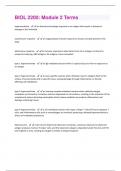
hypersensitivity - an altered immunologic response to an antigen that results in disease or damage to the individual autoimmune response - an inappropriate immune response to tissues normally present in the body alloimmune response - an immune response to alternative forms of an antigen not found in recipient's body (eg. ABO antigens, Rh antigens, tissue transplant type 1 hypersensitivity - an IgE-mediated reaction which is rapid and occurs from re-exposure to an antigen type 2 hypersensitivity - a tissue-specific reaction when ntibodies react to antigens fixed to the surface of various body cells or specific tissue, causing damage through inflammation or directly affecting cell metabolism type 3 hypersensitivity - an immune complex-mediated reaction when antibody-antigen complexes are formed in circulation and then deposited on cell surfaces, resulting in the activation of the complement system attracting neutrophils which release mediators to produce inflammation and damage underlying tissues type 4 hypersensitivity - a cell-mediated reaction when type 1 helper T cells (TH1) and cytotoxic T cells, and inflammatory cells such as macrophages are involved, producing a delayed hypersensitivity or direct cell-mediated cytotoxicity Mantoux test - a skin test to determine tuberculin sensitivity; a previous exposure to tuberculin antigen produces memory T-helper cells, and the tuberculin antigen is deposited under the skin and TH1 cells migrate to area, reacting to antigen to initiate a delayed responseanaphylaxis - the most severe systemic allergic reaction which is generally a Type I mechanism and potentially life- threatening; it is triggered by substances injected or ingested which gain access into the bloodstream, affecting tissues bronchial asthma - a chronic inflammatory disorder of the airways resulting in episodes of wheezing, breathlessness, chest tightness and coughing associated with airflow obstruction immunotolerance - a state of immunological control whereby an individual does not make a detrimental immune response against their own cells and tissues; if this breaks down, autoimmune disease occurs SLE - the most common, complex and serious autoimmune disease resulting in swollen/painful joints, a "butterfly rash" on the face, inflammation of various areas, etc. caused by production of antibodies against self-antigens such as nucleic acids, histones, erythrocytes, lymphocytes, etc. immunodeficiency - the failure of the immune system to function normally, resulting in increased susceptibility to infections primary immunodeficiency - a deficiency usually due to single gene defects, affecting the number or function of immune cells; individuals with this are at higher risk for infection
Document information
- Uploaded on
- May 19, 2024
- Number of pages
- 2
- Written in
- 2023/2024
- Type
- Exam (elaborations)
- Contains
- Questions & answers


