Compare the ways writers of your chosen texts present imprisonment
Thesis:
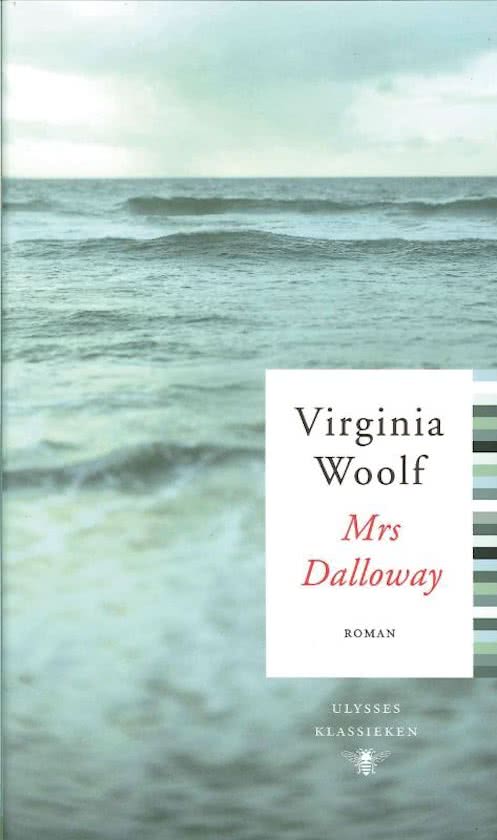
Both employ a metaphorical theme of imprisonment to explore constraints imposed by societal
constructs. In “Mrs Dalloway,” Woolf elucidates that the confinement of patriarchal expectations
and the stoicism demanded by society following WW1 are key reasons which result in feelings
of confinement within both marriages and communities.
Point 1:
Clarissa Dalloway and Catherine Linton, who overlap the lines of acceptance and rejection in
19th century society, face marginalisation due to gender. Through transgression, they present a
threat to society’s traditional view of women confined to domesticity, yet both ultimately conform
to societal expectations by marrying as dictated by norms.
Point 2:
Septimus Warren Smith and Isabella Linton find themselves feeling emotionally imprisoned due
to the alienation they experience from other characters. Septimus’ inability to communicate with
others about shell shock and Isabella's sense of isolation from her family due to her marriage
both contribute to their feelings of imprisonment within their respective marriages and societies.
However, the nature of the threat they pose to society differs: Septimus’ potential revelation
about shell shock challenges the stoicism demanded by society on mental health issues,
whereas Isabella's love for and marriage to Heathcliff, a man of lower social class, defies family
loyalty and traditional gender roles.
Point 3:
Clarissa and Catherine both harbour transgressive desires, indulging in illicit love and passion
which estrange them from society’s conventional standards of relationships, rendering them
outsiders and challenging norms regarding love and marriage. Despite this, their expressions of
transgression differ. Whilst Clarissa engages in a queer relationship with Sally Seyton and
subverts the conservative codes of sexuality in the 1920s, Catherine possesses intense
affection for Heathcliff, who occupies a lower social class. Through these narratives, Woolf and
Bronte condemn the social values as a means to highlight the limitations and injustices inherent
within their respective societies surrounding love and relationships.
Point 1:
Clarissa Dalloway and Catherine Linton, who overlap the lines of acceptance and rejection in
19th century society, face marginalisation due to gender. Through transgression, they present a
threat to society’s traditional view of women confined to domesticity, yet both ultimately conform
to societal expectations by marrying as dictated by norms. While Clarissa, despite internal
conflicts and longing for individual autonomy, embraces her role as a wife and finds solace in
her marriage to Richard, Catherine remains discontent in her marriage which she entered out of
duty.
Dalloway Context + Quotes + Analysis + Critics:
, Through Clarissa’s navigation of the city, Woolf’s use of free indirect discourse becomes a
means to reflect individual autonomy, showcasing Clarissa’s transgression of 20th century
gender roles that traditionally confined women to domestic spaces. Despite possessing
paradoxical traits such as being preoccupied with the present yet haunted by the past and
feeling empowered yet isolated by her marriage, Clarissa’s internal conflict primarily centres
around the idea that her independence is defined by her marital status. Her revelation that she
is now “Mrs Dalloway; not even Clarissa anymore; this being Mrs Richard Dalloway'' feeling
“invisible; unseen; unknown” due to “there being no more marrying, no more having of children''
becomes a moment of epiphany, exacerbated by the use of anaphora. Feeling that she has
fulfilled society’s expectations of marriage and childbirth, quintessential elements of the female
experience, Clarissa expresses feeling overlooked and disregarded. Emphasising the flow of
responsibilities characterised by the female experience, the asyndetic tricolon prompts
Clarissa’s reflections on the tripartite female identity of maiden, mother and crone. She
perceives herself to be an extension of her husband and defined by her marriage, leading to an
existential loss of self, where the death of her fertility and her place in society is another death
she experiences following the war. Clarissa’s estimation of self is bound up in the social
perception that a woman’s primary role is as a wife and mother, supported by Leigh Kincer’s
view that “Clarissa is a slave to society’s rules.” Woolf therefore critiques the idea of women
being placed as simply an accoutrement and the lack of agency they hold as a result of their
domestic responsibilities. Despite societal constructs, Clarissa finds solace in London’s vitality
and takes her time in freely moving throughout the city, relishing the little liberation it provides
from restrictive gender roles of the 1920s. The novel begins with Mrs Dalloway having “burst
open the French windows and plunged at Bourton into the open air,” expressing happiness and
freedom. We find her details to be imbued with a sense of vitality through the use of dynamic
verbs like “plunged.” Thus, the bustling metropolis enables Woolf to glide through
consciousness and spatial collisions, utilising the recurring motif of windows to symbolise both
restriction and intellectual freedom for women.The dynamic imagery elucidates Clarissa’s joy in
observation, emphasising her transgressive and liberating act of roaming London as a stark
contrast providing autonomy from the confinement and repression experienced within the
domestic space following WW1.
Wuthering Heights Context + Quotes + Critics:
Alternatively, despite Catherine’s compliance with societal expectations by marrying Edgar
Linton out of duty, her subsequent discontent within her marriage reveals the inherent limitations
and constraints imposed on women due to Victorian ideology encouraging morality, social
respect and religious conformity. This extended to women expected to be submissive and
obedient, and self-sacrificing for the betterment of the family.. Woolf’s metaphorical depiction of
Catherine and Edgar’s marriage as “not the thorn bending to the honeysuckles but the
honeysuckles embracing the thorn,” suggests Catherine’s wild, untamed nature and her
passionate love for Heathcliff embodied in the “thorn” whilst Edgar’s refined, domesticated
demeanour and affection for Catherine are symbolised by the “honeysuckles.” This portrayal
subverts gender roles, implying Catherine’s dominance and control in their relationship, which
was atypical for households in the 19th century due to patriarchal command. Not only reflecting
Catherine’s inner conflict between her wild desires and societal obligations, Woolf conveys the
Thesis:
Both employ a metaphorical theme of imprisonment to explore constraints imposed by societal
constructs. In “Mrs Dalloway,” Woolf elucidates that the confinement of patriarchal expectations
and the stoicism demanded by society following WW1 are key reasons which result in feelings
of confinement within both marriages and communities.
Point 1:
Clarissa Dalloway and Catherine Linton, who overlap the lines of acceptance and rejection in
19th century society, face marginalisation due to gender. Through transgression, they present a
threat to society’s traditional view of women confined to domesticity, yet both ultimately conform
to societal expectations by marrying as dictated by norms.
Point 2:
Septimus Warren Smith and Isabella Linton find themselves feeling emotionally imprisoned due
to the alienation they experience from other characters. Septimus’ inability to communicate with
others about shell shock and Isabella's sense of isolation from her family due to her marriage
both contribute to their feelings of imprisonment within their respective marriages and societies.
However, the nature of the threat they pose to society differs: Septimus’ potential revelation
about shell shock challenges the stoicism demanded by society on mental health issues,
whereas Isabella's love for and marriage to Heathcliff, a man of lower social class, defies family
loyalty and traditional gender roles.
Point 3:
Clarissa and Catherine both harbour transgressive desires, indulging in illicit love and passion
which estrange them from society’s conventional standards of relationships, rendering them
outsiders and challenging norms regarding love and marriage. Despite this, their expressions of
transgression differ. Whilst Clarissa engages in a queer relationship with Sally Seyton and
subverts the conservative codes of sexuality in the 1920s, Catherine possesses intense
affection for Heathcliff, who occupies a lower social class. Through these narratives, Woolf and
Bronte condemn the social values as a means to highlight the limitations and injustices inherent
within their respective societies surrounding love and relationships.
Point 1:
Clarissa Dalloway and Catherine Linton, who overlap the lines of acceptance and rejection in
19th century society, face marginalisation due to gender. Through transgression, they present a
threat to society’s traditional view of women confined to domesticity, yet both ultimately conform
to societal expectations by marrying as dictated by norms. While Clarissa, despite internal
conflicts and longing for individual autonomy, embraces her role as a wife and finds solace in
her marriage to Richard, Catherine remains discontent in her marriage which she entered out of
duty.
Dalloway Context + Quotes + Analysis + Critics:
, Through Clarissa’s navigation of the city, Woolf’s use of free indirect discourse becomes a
means to reflect individual autonomy, showcasing Clarissa’s transgression of 20th century
gender roles that traditionally confined women to domestic spaces. Despite possessing
paradoxical traits such as being preoccupied with the present yet haunted by the past and
feeling empowered yet isolated by her marriage, Clarissa’s internal conflict primarily centres
around the idea that her independence is defined by her marital status. Her revelation that she
is now “Mrs Dalloway; not even Clarissa anymore; this being Mrs Richard Dalloway'' feeling
“invisible; unseen; unknown” due to “there being no more marrying, no more having of children''
becomes a moment of epiphany, exacerbated by the use of anaphora. Feeling that she has
fulfilled society’s expectations of marriage and childbirth, quintessential elements of the female
experience, Clarissa expresses feeling overlooked and disregarded. Emphasising the flow of
responsibilities characterised by the female experience, the asyndetic tricolon prompts
Clarissa’s reflections on the tripartite female identity of maiden, mother and crone. She
perceives herself to be an extension of her husband and defined by her marriage, leading to an
existential loss of self, where the death of her fertility and her place in society is another death
she experiences following the war. Clarissa’s estimation of self is bound up in the social
perception that a woman’s primary role is as a wife and mother, supported by Leigh Kincer’s
view that “Clarissa is a slave to society’s rules.” Woolf therefore critiques the idea of women
being placed as simply an accoutrement and the lack of agency they hold as a result of their
domestic responsibilities. Despite societal constructs, Clarissa finds solace in London’s vitality
and takes her time in freely moving throughout the city, relishing the little liberation it provides
from restrictive gender roles of the 1920s. The novel begins with Mrs Dalloway having “burst
open the French windows and plunged at Bourton into the open air,” expressing happiness and
freedom. We find her details to be imbued with a sense of vitality through the use of dynamic
verbs like “plunged.” Thus, the bustling metropolis enables Woolf to glide through
consciousness and spatial collisions, utilising the recurring motif of windows to symbolise both
restriction and intellectual freedom for women.The dynamic imagery elucidates Clarissa’s joy in
observation, emphasising her transgressive and liberating act of roaming London as a stark
contrast providing autonomy from the confinement and repression experienced within the
domestic space following WW1.
Wuthering Heights Context + Quotes + Critics:
Alternatively, despite Catherine’s compliance with societal expectations by marrying Edgar
Linton out of duty, her subsequent discontent within her marriage reveals the inherent limitations
and constraints imposed on women due to Victorian ideology encouraging morality, social
respect and religious conformity. This extended to women expected to be submissive and
obedient, and self-sacrificing for the betterment of the family.. Woolf’s metaphorical depiction of
Catherine and Edgar’s marriage as “not the thorn bending to the honeysuckles but the
honeysuckles embracing the thorn,” suggests Catherine’s wild, untamed nature and her
passionate love for Heathcliff embodied in the “thorn” whilst Edgar’s refined, domesticated
demeanour and affection for Catherine are symbolised by the “honeysuckles.” This portrayal
subverts gender roles, implying Catherine’s dominance and control in their relationship, which
was atypical for households in the 19th century due to patriarchal command. Not only reflecting
Catherine’s inner conflict between her wild desires and societal obligations, Woolf conveys the