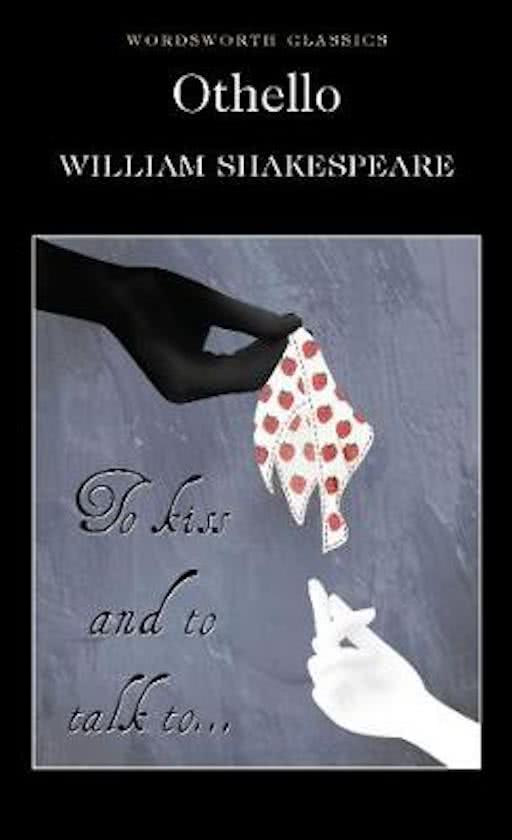
‘It is the female characters who show true love and loyalty in the play, not the men.’
In the light of this view, discuss how Shakespeare presents the female characters and
their personalities in this extract and elsewhere in the play.
Within Shakespeare’s ‘Othello’, female characters help develop the plot by influencing the
behaviour of the men. As objects of desire, perhaps even possessions, Desdemona, Emilia
and Bianca are able to impact the behaviour of their lovers, in particular. Indeed, the driving
force of the play is Iago’s jealousy which, without the suspected betrayal of his wife, may not
have been so extreme that four main characters are dead by the time that the final scene
ends.
The extract, taken from Act 5 scene 1, suggests that true love can be felt even in unsuitable
relationships. Bianca, as a courtesan, would have never have been seen as socially
acceptable for the Lieutenant Cassio to marry in 17th century Venezian society. Despite the
difference between them, Bianca’s feelings for Cassio become clear when he is injured by
Iago as she calls him “dear” and “sweet” showing the affection she feels for him. Previously,
their relationship had been kept quiet due to Cassio’s much higher position in society but
publicly showing love towards Cassio means that Bianca is not concerned about either of
their reputations; simply that her lover is alright. This love manifests itself physically on
Bianca as she is “pale” and has “gaustness”, perhaps indicating that she is in shock that her
beloved Cassio has been hurt. This reaction of love is falsely interpreted by Iago as
“guiltiness [which] will speak”, as Iago wants to blame the clearly vulnerable Bianca for
Cassio’s attack. This contrast between male manipulation of love and female inability to hide
it shows that there is true love felt by Bianca towards Cassio.
Further in this extract Emilia’s submissiveness towards men shows the way in which their
society is wholly patriarchal. Emilia greets the men by their titles such as “husband” and
“good gentlemen”, yet Iago speaks for four lines before he directly addresses her. Iago’s
influence is clearly great upon Emilia as she not only steals Desdemona’s handkerchief
earlier in the play for him but also adopts his view of Bianca as a “strumpet”, disapprovingly
telling her “fie upon thee, strumpet!”. She does not question Bianca herself but readily
adopts her husband’s unproven opinion. Iago also orders Emilia what to do; showing her
loyalty to her husband at this time - before she suspects him of wrongdoing. He tells her;
“Emilia run you to the citadel”, treating her more like a child on an errand than his wife, this is
repeated when he says “will you go on?” because Emilia does not respond to his demand
straight away. This shows the loyalty and levels of submissiveness that men within the play’s
time and setting expected of their wives.
Elsewhere in the text the reader can see Desdemona’s true love for Othello. It was, in fact,
Desdemona who signalled her want for a relationship with Othello and “had eyes and chose
[him]”, showing that she did truly love him otherwise the controversy regarding a mixed-race
and mixed-class marriage would not have been worth it. After Othello’s jealousy makes him
turn against Othello, she still remains as a loving wife to him, even on her deathbed she
does not want him to be blamed for her murder so tells Emilia that “nobody [killed her]” and it
was actually her own fault. Honigmann describes this act as one of “forgiveness” and that
“love and goodness [are able to] defeat evil”, showing Desdemona’s love to be true even up
In the light of this view, discuss how Shakespeare presents the female characters and
their personalities in this extract and elsewhere in the play.
Within Shakespeare’s ‘Othello’, female characters help develop the plot by influencing the
behaviour of the men. As objects of desire, perhaps even possessions, Desdemona, Emilia
and Bianca are able to impact the behaviour of their lovers, in particular. Indeed, the driving
force of the play is Iago’s jealousy which, without the suspected betrayal of his wife, may not
have been so extreme that four main characters are dead by the time that the final scene
ends.
The extract, taken from Act 5 scene 1, suggests that true love can be felt even in unsuitable
relationships. Bianca, as a courtesan, would have never have been seen as socially
acceptable for the Lieutenant Cassio to marry in 17th century Venezian society. Despite the
difference between them, Bianca’s feelings for Cassio become clear when he is injured by
Iago as she calls him “dear” and “sweet” showing the affection she feels for him. Previously,
their relationship had been kept quiet due to Cassio’s much higher position in society but
publicly showing love towards Cassio means that Bianca is not concerned about either of
their reputations; simply that her lover is alright. This love manifests itself physically on
Bianca as she is “pale” and has “gaustness”, perhaps indicating that she is in shock that her
beloved Cassio has been hurt. This reaction of love is falsely interpreted by Iago as
“guiltiness [which] will speak”, as Iago wants to blame the clearly vulnerable Bianca for
Cassio’s attack. This contrast between male manipulation of love and female inability to hide
it shows that there is true love felt by Bianca towards Cassio.
Further in this extract Emilia’s submissiveness towards men shows the way in which their
society is wholly patriarchal. Emilia greets the men by their titles such as “husband” and
“good gentlemen”, yet Iago speaks for four lines before he directly addresses her. Iago’s
influence is clearly great upon Emilia as she not only steals Desdemona’s handkerchief
earlier in the play for him but also adopts his view of Bianca as a “strumpet”, disapprovingly
telling her “fie upon thee, strumpet!”. She does not question Bianca herself but readily
adopts her husband’s unproven opinion. Iago also orders Emilia what to do; showing her
loyalty to her husband at this time - before she suspects him of wrongdoing. He tells her;
“Emilia run you to the citadel”, treating her more like a child on an errand than his wife, this is
repeated when he says “will you go on?” because Emilia does not respond to his demand
straight away. This shows the loyalty and levels of submissiveness that men within the play’s
time and setting expected of their wives.
Elsewhere in the text the reader can see Desdemona’s true love for Othello. It was, in fact,
Desdemona who signalled her want for a relationship with Othello and “had eyes and chose
[him]”, showing that she did truly love him otherwise the controversy regarding a mixed-race
and mixed-class marriage would not have been worth it. After Othello’s jealousy makes him
turn against Othello, she still remains as a loving wife to him, even on her deathbed she
does not want him to be blamed for her murder so tells Emilia that “nobody [killed her]” and it
was actually her own fault. Honigmann describes this act as one of “forgiveness” and that
“love and goodness [are able to] defeat evil”, showing Desdemona’s love to be true even up