NR 325 Diabtes case study Elaborate and 100% Correct Answers
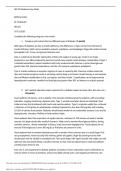
1. Compare and contrast the two different types of diabetes. (5 points) Both types of diabetes are due to insulin deficiency, the differences in types comes from the kind of insulin deficiency. Both can be marked by polyuria, polydipsia, and polyphagia. Diagnostic studies include hemoglobin A1C, 2-hour oral glucose tolerance test. Type 1: autoimmune disorder, destruction of beta cells, begins at young age. Insulin is no longer produced or very little produced by pancreas and all cases require insulin therapy. Complication of type 1 is diabetic ketoacidosis, patient manifests with fruity acetone breath, ketones in urine, blood glucose greater than 250, Kussmaul respirations, and the 3 Ps (polyuria, polyphasia, polydipsia). Type 2: Insulin resistance is acquired; majority of cases is caused by diet. Pancreas creates insulin but does not function properly, insulin is not being used by body or in tissues. Insulin therapy is not required, diet and lifestyle modification is first, oral agents, and then insulin. Complication can be hyperosmolar hyperglycemic syndrome, manifests as blood glucose greater than 300, no ketones or acidosis present. 2. List 5 patient education topics important for a diabetic patient to know (diet, skin care, etc.). (10 points) Teach patients risk factors, such as obesity. Then provide nutritional goals for patients, with counseling, education, ongoing monitoring, dietician visits. Type 1: provide meal plans based on individual’s food intake and one that is balanced with insulin and exercise pattern. Type 2: emphasis weight loss, achieved a minimum of 130 g/day of carbohydrates, limiting cholesterol to less than 200 mg/day, and including 15-20% of calories from protein. Diabetics should avoid alcohol or use moderately because it can lead to hyperglycemia. Introduce MyPlate to help monitor intake. Teach patients about the importance of regular exercise, minimum of 150 minutes of week of aerobic exercise, but begin slowly after medical clearance. Make sure to monitor blood glucose before, during, and after exercise. Always remember to bring a snack to prevent hypoglycemia. Teach patients to not exercise if blood glucose is over 300 mg/dL or
Document information
- Uploaded on
- March 24, 2024
- Number of pages
- 3
- Written in
- 2023/2024
- Type
- Exam (elaborations)
- Contains
- Questions & answers