RMI Exam 3| 100 Questions| Answers| Accurate 100%
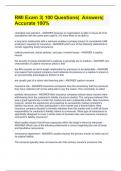
centralize loss retention - ANSWER because an organization is able to insure all of its subsidiaries with the same pure captive, it is more likely to be able to a long-term relationship with a reinsurer enables a primary insurer to consistently fulfill producers' requests for insurance - ANSWER which one of the following statements is correct regarding treaty reinsurance collects premiums. issues policies, and pays covered losses - ANSWER a captive insurer the severity of losses transferred to captives is generally low to medium - ANSWER one characteristic of captive insurance plans is that the IRS requires an arm's length relationship for premiums to be deductible - ANSWER one reason that a parent company must moderate its pressure on a captive to insure in an economically advantageous fashion is that are usually part of a hybrid risk financing plan - ANSWER captive insurers insurance risk - ANSWER insurance companies face the uncertainty that the premiums they have collected will not be adequate to pay the losses. This uncertainty is called portfolio reinsurance - ANSWER New insurance company noticed many insurers were withdrawing from the contractor's liability insurance market. The company believed this was a great opportunity to enter this market and earn substantial profits. New insurance, however, lacked the experience and expertise to successfully market contractor's liability insurance, and their participation in this market was a dismal failure. New insurance company decided to formally withdraw from this market and to shift all future responsibility for contractor's liability claims to a reinsurer. What type of reinsurance is specifically designed to cover a whole class of business like new insurance company's contractor's liability insurance?
Document information
- Uploaded on
- February 22, 2024
- Number of pages
- 12
- Written in
- 2023/2024
- Type
- Exam (elaborations)
- Contains
- Questions & answers