👩🏾🚒
Political science Reading
Exam Prep Q
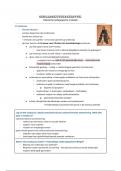
Week 1: Political Thought, History of Ideas
Edward Said
Edward Said, a prominent intellectual and founding figure in postcolonial studies, offered a
critical perspective on how Western societies represent the colonized. His most influential
work, "Orientalism," critiques Western perceptions of the East.
Political science Reading 1
, Chapter Summary
Construction of "The Other":
Said argued that the West has historically constructed the East or "Orient" as the
exotic, backward, and uncivilized "Other," forming a binary opposition that serves
to reinforce Western identity and superiority.
Orientalism:
Said's concept of Orientalism describes the Western tradition of producing
knowledge about the East that is not objective but rather permeate with the power
Political science Reading 2
, dynamics of colonialism, creating stereotypes and serving the purposes of colonial
authority.
Knowledge and Power:
Said drew on Foucault's idea that knowledge is not independent of power. The
West's representation of the colonized was not just a benign academic exercise but
a form of power over the colonized, contributing to the West's ability to dominate
and control.
Colonial Discourse:
He explored how colonial discourse perpetuates Western dominance by imposing
its own narratives and silencing the colonized's perspectives. This narrative serves
political ends by justifying colonial rule as a civilizing mission.
Intellectuals' Role:
Said emphasized the responsibility of intellectuals in questioning and challenging
representations that arise from colonial discourse, advocating for a more nuanced
and respectful engagement with other cultures.
Humanistic Critique:
Despite his critical stance, Said was also known for advocating a humanistic
approach that emphasized the importance of understanding and appreciating the
rich complexity of other cultures without dominant bias.
Resistance to Essentialism:
Said was critical of essentialist narratives that paint people and cultures with broad
brushstrokes. He argued for recognizing the diverse and dynamic nature of
individual societies and resisting reductive categorizations.
Interconnected World:
Said recognized the interconnectedness of the world and advocated for
acknowledging the overlapping histories and exchanges between East and West that
complicate simplistic colonial binaries.
Imperialism's Lingering Effects:
Said analyzed how the legacies of imperialism continue to shape contemporary
cultural and political relations, maintaining a form of neo-colonialism in economic,
Political science Reading 3
, political, and cultural domains.
Emancipatory Potential of Narrative:
Said believed in the potential of narrative to liberate and empower the subjugated
by reclaiming their own stories and histories, thereby countering the dominant
narratives imposed by colonial powers.
Conceptual Analysis
Edward Said’s writing, particularly his concept of Orientalism, can be challenging
because it operates on multiple levels: it's a critique of Western academic disciplines, a
commentary on Western-European cultural perceptions, and a commentary on the
power structures of colonialism
Orientalism as a Concept:
Orientalism is a term Said uses to describe how the West conceptualizes the East
(the Orient) in a way that is less about accurate representation and more about the
West's image of the East. This concept reflects deeply entrenched ideas of Western
superiority and Eastern inferiority.
Orientalism as a Western Project:
Said posits that Orientalism is not just a random occurrence but a project rooted in
the enormous disparity of power between the West and the East. It's a project that
has historical roots in European imperialism and colonization.
The Orient as a Western Invention:
According to Said, the "Orient" doesn't exist in the way the West has imagined it. It
is an invention that serves the purpose of creating a contrast to Western identity. It's
an idea that was produced by writers, artists, and scholars to represent what is
"other" than the West.
A Tool of Domination:
Said suggests that by creating an image of the Orient as backward, exotic,
uncivilized, and at times dangerous, the West legitimized its own dominance. The
West, being seen as rational, developed, and civilized, assumed a position of power
and the authority to rule.
Political science Reading 4
Political science Reading
Exam Prep Q
Week 1: Political Thought, History of Ideas
Edward Said
Edward Said, a prominent intellectual and founding figure in postcolonial studies, offered a
critical perspective on how Western societies represent the colonized. His most influential
work, "Orientalism," critiques Western perceptions of the East.
Political science Reading 1
, Chapter Summary
Construction of "The Other":
Said argued that the West has historically constructed the East or "Orient" as the
exotic, backward, and uncivilized "Other," forming a binary opposition that serves
to reinforce Western identity and superiority.
Orientalism:
Said's concept of Orientalism describes the Western tradition of producing
knowledge about the East that is not objective but rather permeate with the power
Political science Reading 2
, dynamics of colonialism, creating stereotypes and serving the purposes of colonial
authority.
Knowledge and Power:
Said drew on Foucault's idea that knowledge is not independent of power. The
West's representation of the colonized was not just a benign academic exercise but
a form of power over the colonized, contributing to the West's ability to dominate
and control.
Colonial Discourse:
He explored how colonial discourse perpetuates Western dominance by imposing
its own narratives and silencing the colonized's perspectives. This narrative serves
political ends by justifying colonial rule as a civilizing mission.
Intellectuals' Role:
Said emphasized the responsibility of intellectuals in questioning and challenging
representations that arise from colonial discourse, advocating for a more nuanced
and respectful engagement with other cultures.
Humanistic Critique:
Despite his critical stance, Said was also known for advocating a humanistic
approach that emphasized the importance of understanding and appreciating the
rich complexity of other cultures without dominant bias.
Resistance to Essentialism:
Said was critical of essentialist narratives that paint people and cultures with broad
brushstrokes. He argued for recognizing the diverse and dynamic nature of
individual societies and resisting reductive categorizations.
Interconnected World:
Said recognized the interconnectedness of the world and advocated for
acknowledging the overlapping histories and exchanges between East and West that
complicate simplistic colonial binaries.
Imperialism's Lingering Effects:
Said analyzed how the legacies of imperialism continue to shape contemporary
cultural and political relations, maintaining a form of neo-colonialism in economic,
Political science Reading 3
, political, and cultural domains.
Emancipatory Potential of Narrative:
Said believed in the potential of narrative to liberate and empower the subjugated
by reclaiming their own stories and histories, thereby countering the dominant
narratives imposed by colonial powers.
Conceptual Analysis
Edward Said’s writing, particularly his concept of Orientalism, can be challenging
because it operates on multiple levels: it's a critique of Western academic disciplines, a
commentary on Western-European cultural perceptions, and a commentary on the
power structures of colonialism
Orientalism as a Concept:
Orientalism is a term Said uses to describe how the West conceptualizes the East
(the Orient) in a way that is less about accurate representation and more about the
West's image of the East. This concept reflects deeply entrenched ideas of Western
superiority and Eastern inferiority.
Orientalism as a Western Project:
Said posits that Orientalism is not just a random occurrence but a project rooted in
the enormous disparity of power between the West and the East. It's a project that
has historical roots in European imperialism and colonization.
The Orient as a Western Invention:
According to Said, the "Orient" doesn't exist in the way the West has imagined it. It
is an invention that serves the purpose of creating a contrast to Western identity. It's
an idea that was produced by writers, artists, and scholars to represent what is
"other" than the West.
A Tool of Domination:
Said suggests that by creating an image of the Orient as backward, exotic,
uncivilized, and at times dangerous, the West legitimized its own dominance. The
West, being seen as rational, developed, and civilized, assumed a position of power
and the authority to rule.
Political science Reading 4