Cross-cultural psychology of health and illness
Short summary of the articles
2023-2024
Ilse van Meurs
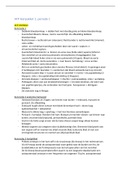
De Graaff, F. M., Mistiaen, P., Devillé, W.L.J.M. & Francke, A.L. (2012). Perspectives on care and
communication involving incurably ill Turkish and Moroccan patients, relatives and professionals: a
systematic literature review. BMC Palliative Care, 11:17
systematic review:
1. on care experiences and care perceptions of Turkish and Moroccan patients, their relatives and
professionals
2. and the communication between these patients, relatives and professionals regarding care and
treatment in the palliative phase
Care experiences & perceptions
1. Patient’s attitude
● a subset of patients does not want to be informed, mainly elderly
○ 15-33% don’t want to be informed
○ younger patients want to be informed, but don’t want to inform relatives (wall of
love)
● a subset of patients are indeed not informed:
○ 16-63% of Turkish patients, 33% of Moroccan patients were uninformed
● the manner of being informed is important
○ dutch directness of information provision is disliked
● hope & faith still stays strong → seen in want for life sustaining treatments
2. Relatives’ attitude
● family plays an important role in (not) informing patients
○ 39-66% of Turkish relatives did not want patients to be informed
○ 89% of Moroccan relatives informed (compared to 33% of patients)
● reasons for preference uninformed
1. upsetting nature
2. believing patients do not want to know
3. might hasten death
4. might stir gossip
● relatives are quite influential in end-of life decisions (withdrawing / withholding treatments)
● daughters in law did most of the work (also due to economic reasons)
● family care is considered burdensome, especially in dutch studies → contrasting
opinions of patients and relatives led to exhaustion
● unfamiliarity with available care facilities and language barriers, is why immigrants used
home care more and other forms of care less
3. Clinicians’ attitude
● clinicians not always inclined to inform patients, depends on several factors
○ majority of Turkish oncologists (67-93%) thought that patients should be informed,
many informed the relatives (8-30%)
○ Turkish physicians more inclined to inform patients with higher SES / educational
level
○ trained and experiences clinicians more inclined to inform patients
● dutch clinicians find it difficult to meet communication needs → due to patients’ lack of
knowledge and cultural patterns
Short summary of the articles
2023-2024
Ilse van Meurs
De Graaff, F. M., Mistiaen, P., Devillé, W.L.J.M. & Francke, A.L. (2012). Perspectives on care and
communication involving incurably ill Turkish and Moroccan patients, relatives and professionals: a
systematic literature review. BMC Palliative Care, 11:17
systematic review:
1. on care experiences and care perceptions of Turkish and Moroccan patients, their relatives and
professionals
2. and the communication between these patients, relatives and professionals regarding care and
treatment in the palliative phase
Care experiences & perceptions
1. Patient’s attitude
● a subset of patients does not want to be informed, mainly elderly
○ 15-33% don’t want to be informed
○ younger patients want to be informed, but don’t want to inform relatives (wall of
love)
● a subset of patients are indeed not informed:
○ 16-63% of Turkish patients, 33% of Moroccan patients were uninformed
● the manner of being informed is important
○ dutch directness of information provision is disliked
● hope & faith still stays strong → seen in want for life sustaining treatments
2. Relatives’ attitude
● family plays an important role in (not) informing patients
○ 39-66% of Turkish relatives did not want patients to be informed
○ 89% of Moroccan relatives informed (compared to 33% of patients)
● reasons for preference uninformed
1. upsetting nature
2. believing patients do not want to know
3. might hasten death
4. might stir gossip
● relatives are quite influential in end-of life decisions (withdrawing / withholding treatments)
● daughters in law did most of the work (also due to economic reasons)
● family care is considered burdensome, especially in dutch studies → contrasting
opinions of patients and relatives led to exhaustion
● unfamiliarity with available care facilities and language barriers, is why immigrants used
home care more and other forms of care less
3. Clinicians’ attitude
● clinicians not always inclined to inform patients, depends on several factors
○ majority of Turkish oncologists (67-93%) thought that patients should be informed,
many informed the relatives (8-30%)
○ Turkish physicians more inclined to inform patients with higher SES / educational
level
○ trained and experiences clinicians more inclined to inform patients
● dutch clinicians find it difficult to meet communication needs → due to patients’ lack of
knowledge and cultural patterns