

N5315 Advanced Pathophysiology Fluid and Electrolytes Core Concept and Objectives with Advanced Organizers
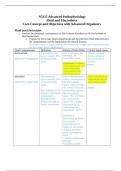
N5315 Advanced Pathophysiology Fluid and Electrolytes Core Concept and Objectives with Advanced Organizers Fluid and Electrolytes 1. Analyze the pathologic consequences of fluid volume disorders on the mechanisms of fluid homeostasis. a. Explain the three main fluid compartments and describe how fluid shifts between the compartments and the implications for clinical practice. Total body water is approximately 60% of the body weight and is spread between the three main fluid compartments. Fluid Compartments Definition Pattern of Fluid Shifts Clinical Implications Intravascular Main ECF compartment The intravascular space contains 20% of the total body water. Both in and out of the interstitial and intracellular spaces Hypertonic IV solution, when administered, will increase the solute concentration in the intravascular space Volume overload Venous retention Increased venous pressure edema Interstitial Main ECF compartment The interstitial space contains 20% of the total body water. total volume of ECF outside of the blood vessels and is separated from plasma by walls of body’s vasculature Due to the increase in solute concentration in the intravascular space, water will flow via osmosis from the extracellular space to the intravascular space. This will leave the extravascular space with a higher concentration of solutes than the intracellular space. Hydrostatic (movement by force) and osmotic (concentration of solutes movement of fluid) pressures cause movement of fluid *capillary hydrostatic pressure *capillary oncotic
Document information
- Uploaded on
- January 27, 2024
- Number of pages
- 14
- Written in
- 2023/2024
- Type
- Exam (elaborations)
- Contains
- Unknown


