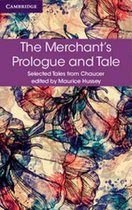
The Merchant alone gives us voices of Januarie, Placebo, Justinus, May, Damyan, and, more
dubiously, Pluto and Proserpina. The Merchant, we know from his Prologue, is utterly
disillusioned by marriage, having been married “thise monthes two”. His misogyny is clearly
discernible in his sweeping sympathy for all men “[t]hat wedded been” and he draws attention to
that universal trait of women (explored throughout literature, myth, art, etc.): their ability to
deceive. So the next deception exercised is that by the Merchant himself on his trusting
audience. The tale relies heavily on the tradition of the bawdy stories of Fabliaux, in which
deception is a principal theme. And in choosing also to exploit the tradition of Courtly Love,
Chaucer ensures that deception is of paramount importance, given that this is another tradition
steeped in, indeed dependent upon, dishonesty and trickery. Jauarie has boasted that, though
he be white-haired, “alle [his] lymes been as grene/As laurer”, implying that he is sexually
capable. However, the wedding night reveals the medieval version of a modern Viagra habit,
wherein he “drynketh ypocras, clarree, and vernage/Of spice hoote t’encreessen his corage”.
The most impressive deception of all, however, is still to come. The skill with which May will
extricate herself from this disastrous situation is granted divinely: Proserpina promises that her
fellow female will have “[h]ir answere”. And so we see May talk her way out of what had seemed
to be a hopeless situation. Januarie is adamant that he saw the deceit. The tale is not easily
classified as misogynistic – the woman wins! Her morals might be terrifically questionable and
her loyalties are certainly somewhat elastic, but her eventual success and her skill in the art of
deception are surely undeniable. Alternatively, one could argue that she acts only according to
the will of Proserpina.
Chaucer’s mastery of voice is evident from the very opening lines of The Prologue, in which we
witness his adoption of the voice of the Merchant, apparently distraught and ruined by the angst
of his own marriage. The exaggeration present through the Merchant’s words in The Prologue is
consistent and vibrant, and thereby establishes a definitively recognisable narrative voice and
proves Chaucer’s “master[y]” from the outset. Straight away the Merchant – who, we concede,
is now perhaps stepping out of his role as Merchant and adopting that of omniscient and
unbiased (if there is such a thing) narrator – heralds the virtues of marriage. We are immediately
suspicious, of course. the Merchant launches into this digression as if adopting Januarie’s tone
and perspective – the focaliser seems to be Januarie. Suddenly marriage is a “glorious thyng”
and from lines 56-98 the mood is one of lightness and optimismChaucer’s skilful rendering of
the Merchant’s voice is a fine exhibition of his mastery; the bitter angst of The Prologue is gone.
In its place: an energetic encomium on marriage is performed. The Merchant continues his
narration, skilfully incorporating biblical references to confuse the discerning audience with their
notably ambiguous meanings. As a voice, that of the Merchant is deeply entertaining, and as a
practised story-teller he recognises (or Chaucer ensures that he recognises) the time for a
change of voice. The consumptive associations of the imagery are redolent of his intentions,
and the clumsiness of the figurative language is appropriately vulgar. The differences between
Justinus’ and Placebo’s speeches are deeper set than their apparent theses. Placebo’s
obsequiousness is evident instantly, through his sycophantic “O Januarie”, while Justinus
begins with a sensible “Now, brother myn, be pacient, I preye”. Chaucer, in setting the two
brothers’ speeches in direct opposition to one another, demonstrates his flexibility in adopting
and maintaining individual and convincing voices for his characters. Chaucer ensures that his
audience remains fully aware that their ultimate narrator here is the Merchant himself. In spite of
dubiously, Pluto and Proserpina. The Merchant, we know from his Prologue, is utterly
disillusioned by marriage, having been married “thise monthes two”. His misogyny is clearly
discernible in his sweeping sympathy for all men “[t]hat wedded been” and he draws attention to
that universal trait of women (explored throughout literature, myth, art, etc.): their ability to
deceive. So the next deception exercised is that by the Merchant himself on his trusting
audience. The tale relies heavily on the tradition of the bawdy stories of Fabliaux, in which
deception is a principal theme. And in choosing also to exploit the tradition of Courtly Love,
Chaucer ensures that deception is of paramount importance, given that this is another tradition
steeped in, indeed dependent upon, dishonesty and trickery. Jauarie has boasted that, though
he be white-haired, “alle [his] lymes been as grene/As laurer”, implying that he is sexually
capable. However, the wedding night reveals the medieval version of a modern Viagra habit,
wherein he “drynketh ypocras, clarree, and vernage/Of spice hoote t’encreessen his corage”.
The most impressive deception of all, however, is still to come. The skill with which May will
extricate herself from this disastrous situation is granted divinely: Proserpina promises that her
fellow female will have “[h]ir answere”. And so we see May talk her way out of what had seemed
to be a hopeless situation. Januarie is adamant that he saw the deceit. The tale is not easily
classified as misogynistic – the woman wins! Her morals might be terrifically questionable and
her loyalties are certainly somewhat elastic, but her eventual success and her skill in the art of
deception are surely undeniable. Alternatively, one could argue that she acts only according to
the will of Proserpina.
Chaucer’s mastery of voice is evident from the very opening lines of The Prologue, in which we
witness his adoption of the voice of the Merchant, apparently distraught and ruined by the angst
of his own marriage. The exaggeration present through the Merchant’s words in The Prologue is
consistent and vibrant, and thereby establishes a definitively recognisable narrative voice and
proves Chaucer’s “master[y]” from the outset. Straight away the Merchant – who, we concede,
is now perhaps stepping out of his role as Merchant and adopting that of omniscient and
unbiased (if there is such a thing) narrator – heralds the virtues of marriage. We are immediately
suspicious, of course. the Merchant launches into this digression as if adopting Januarie’s tone
and perspective – the focaliser seems to be Januarie. Suddenly marriage is a “glorious thyng”
and from lines 56-98 the mood is one of lightness and optimismChaucer’s skilful rendering of
the Merchant’s voice is a fine exhibition of his mastery; the bitter angst of The Prologue is gone.
In its place: an energetic encomium on marriage is performed. The Merchant continues his
narration, skilfully incorporating biblical references to confuse the discerning audience with their
notably ambiguous meanings. As a voice, that of the Merchant is deeply entertaining, and as a
practised story-teller he recognises (or Chaucer ensures that he recognises) the time for a
change of voice. The consumptive associations of the imagery are redolent of his intentions,
and the clumsiness of the figurative language is appropriately vulgar. The differences between
Justinus’ and Placebo’s speeches are deeper set than their apparent theses. Placebo’s
obsequiousness is evident instantly, through his sycophantic “O Januarie”, while Justinus
begins with a sensible “Now, brother myn, be pacient, I preye”. Chaucer, in setting the two
brothers’ speeches in direct opposition to one another, demonstrates his flexibility in adopting
and maintaining individual and convincing voices for his characters. Chaucer ensures that his
audience remains fully aware that their ultimate narrator here is the Merchant himself. In spite of