

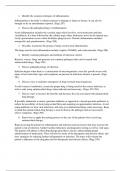
1. Identify the common etiologies of inflammation. Inflammation is the body’s cellular response to damage or injury to tissues. It c an also be brought on by an autoimmune response. (Page 287) 2. Discuss the pathophysiology of inflammation. Acute inflammation includes the vascular stage which involves vasoconstriction and then vasodilation. It is then followed by the cellular stage where leukocytes travel to the injured area. Lastly opsonization occurs which facilitates phagocytosis. Chronic inflammation includes nonspecific and granulomatous. (Page 288) 3. Describe, in general, the groups of drugs used to treat inflammation. The drugs used to treat inflammation include Aspirin, NSAIDS, and corticosteroids. (Page 288) 4. Identify common pathogens and methods of infection control. Bacteria, viruses, fungi and parasites are common pathogens that can be treated with antimicrobial drugs. (Page 289) 5. Discuss pathophysiology of infection. Infection begins when there is a colonization of microorganisms, once this growth occurs with injury to host and clinic signs and symptoms are present an infectious disease is present . (Page 291) 6. Discuss ways to minimize emergence of drug -resistant microorganisms. Avoid overuse of antibiotics, ensure the proper drug is being used for the correct infection, as well as only using antimicrobial drugs when indicated and necessary. (Pages 293 -294) 7. Discuss ways to increase the benefits and decrease the risk associated with antimicrobial drug therapy. If possible, administer a narrow spectrum antibiotic as opposed to a broad -spectrum antibiotic to reduce the possibility of destroying normal flora and acquiring an opportunistic infection. Avoid using antibiotics to treat viral infections, and only give antibacterial drugs when necessary . Keep in mind that antimicrobial drug therapy is used to destroy the pathogen and not necessarily relieve symptoms. (Page 296) 8. Know how to apply the nursing process to the care of the patient who is receiving antimicrobial therapy. Begin assessing the patient for inflammation and infection and any factors that may increase the patient’s risk of infection. Gather baseline laboratory and diagnostic testing as well as vital signs. The patient will adhere to their drug therapy plan that is chosen, understanding proper administration of medication. They will also be aware of the therapeutic and adverse effects and have strategies for reducing further inflammation or infection. The nurse will evaluate the patient’s adherence to the drug plan and for therapeutic and adverse effects. (Page 299)
Preview 1 out of 1 pages
Other
Pharmacology, RNSG 1301, Chapter 15 Objectives- Questions and Answers
Preview 1 out of 1 pages
Document includes the questions and answers for Chapter 15 Objectives in Abrams' Clinical Drug Therapy (ISBN-13: 9781975136130) textbook, and answers include page numbers. This textbook is used in Pharmacology RNSG 1301 at El Paso Community College.
Content preview
Connected book
Document information
- Uploaded on
- October 11, 2023
- Number of pages
- 1
- Written in
- 2023/2024
- Type
- Other
- Person
- Unknown
$8.49
Wrong document? Swap it for free
Within 14 days of purchase and before downloading, you can choose a different document. You can simply spend the amount again.
Written by students who passed
Immediately available after payment
Read online or as PDF


